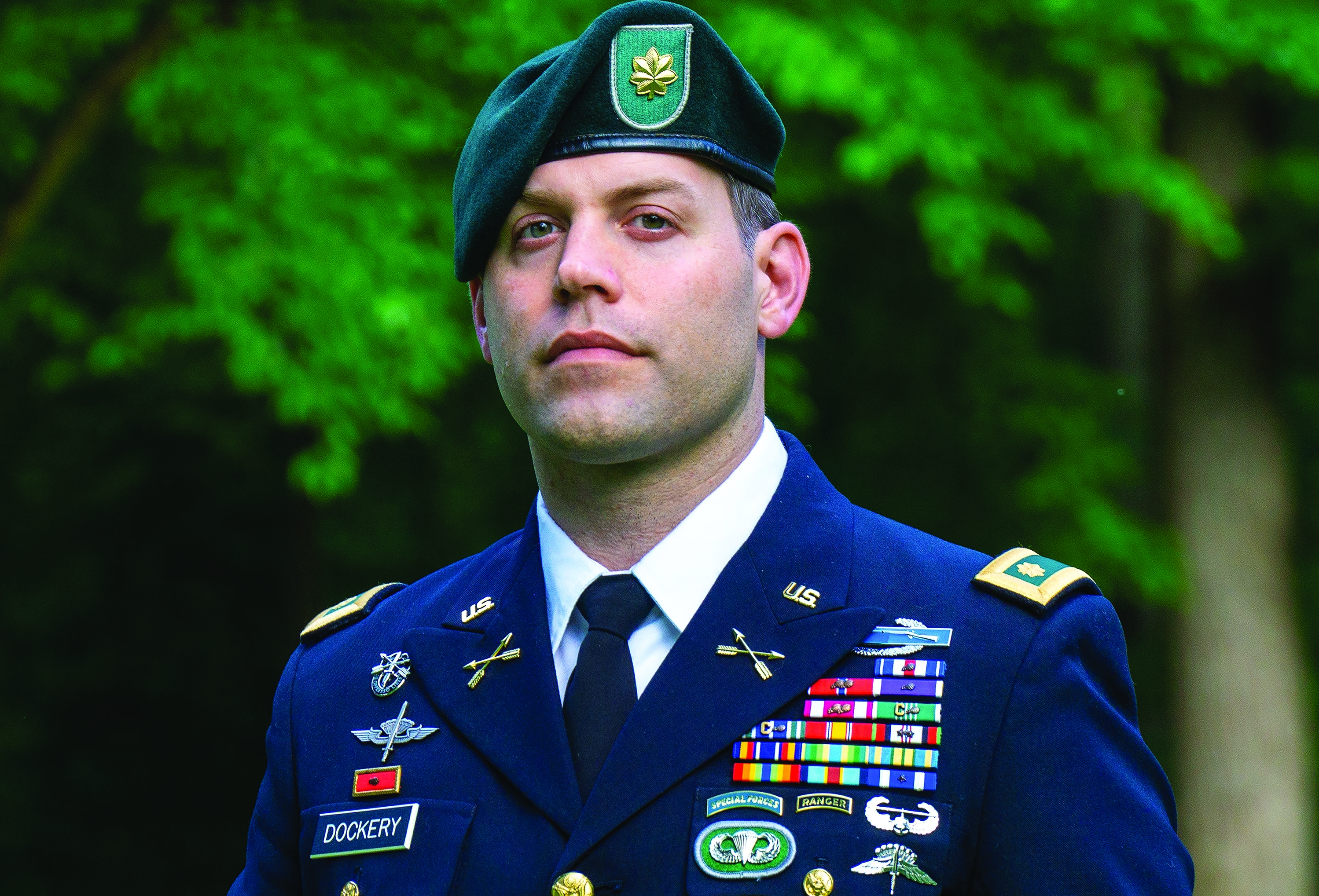
Medal of Honor Upgrade for Silver Star Veteran Sparks Debate
The planned upgrade for Dockery’s Silver Star raises questions about military valor standards. This decision may impact future commendation evaluations and the perception of service awards within the armed forces.
The recent approval of Medal of Honor status for former Military Times Soldier of the Year, M. Dockery, signals a controversial reassessment of military commendations. Dockery's previous two Silver Star awards from a single 2012 Afghanistan deployment are now under scrutiny, as one is proposed to be elevated to the nation's highest military honor, the Medal of Honor.
The background to this operational recognition stems from a 2012 deployment where Dockery exhibited notable bravery, leading to two Silver Stars being awarded. However, this current motion for upgrade raises critical discussions surrounding the criteria used for the Medal of Honor—especially concerning the perceived dilution of its significance when awarded in situations with lesser levels of acknowledged combat intensity.
This development is significant because it highlights potential shifts in military valor standards, questioning the rigor behind commendation assessments. As the military grapples with how to honor its servicemen and women, it risks creating a contentious environment around the integrity of its awards system. If such changes are adopted, they could alter how future conflicts are evaluated and recognized.
Key actors in this situation include military leadership seeking to honor veterans like Dockery while addressing concerns from within the ranks about the prestige of the Medal of Honor. Their motivations can be perceived as an effort to enhance morale among service members and recognize acts of heroism, but they also carry the risk of undermining the award's storied legacy.
Currently, Dockery has been acknowledged for his actions leading to two Silver Stars—awards typically reserved for extraordinary valor in combat. The implication that one of these could transform into a Medal of Honor reflects broader debates about actual combat conditions and what constitutes heroism. Should this upgrade proceed, it is likely to weigh heavily on the military's decision-making processes regarding future awards and commendation standards.
The consequences of this approval could set precedents for future decorations, potentially leading to more medals being awarded as military members vie for recognition. This could also invite scrutiny from soldiers and veterans who might feel that the Medal of Honor is awarded without meeting historically rigorous criteria, leading to further fracturing within military culture.
Historically, similar cases have arisen, resulting in critiques of military awards, notably when the criteria have been perceived as becoming less stringent. There have been isolated instances where medals have been rescinded or revised due to such disputes, indicating the fragility of the honors system.
Moving forward, attention must be focused on how the Defense Department justifies this upgrade and whether it will enact a revision of award protocols going forward. Intelligence indicators to watch include feedback from veteran organizations, military personnel sentiment towards commendations, and comparisons with international military honor systems as debates over valor criteria intensify.