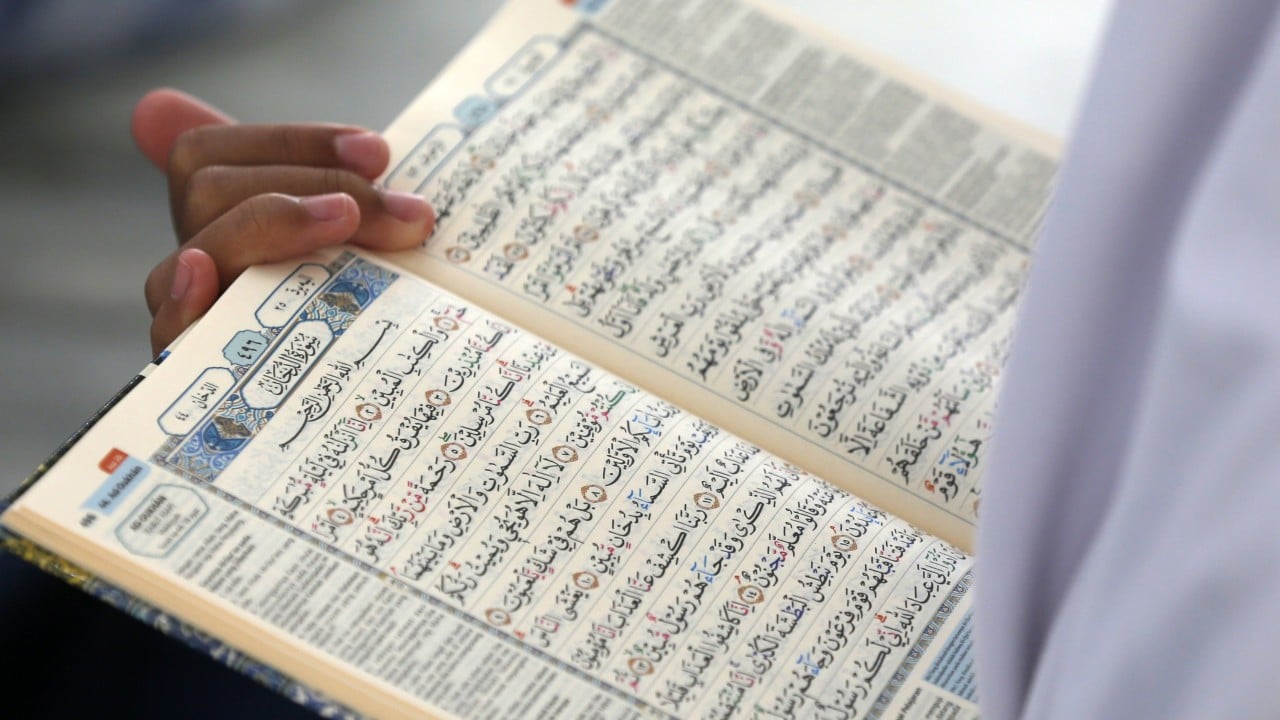
Malaysian Student Charged with Koran Desecration Sparks National Outrage
A Malaysian student's charges for Koran desecration during Ramadan reignite tensions over religious sensitivity in Malaysia. This incident could fuel divisive sentiments in an already charged social climate.
A Malaysian student, Vikneswaran K. Selvanathan, has been charged with desecrating the Koran and posting offensive material online, a development that has ignited significant outrage across Malaysia during the sacred month of Ramadan. Selvanathan, 21, pleaded not guilty in the Sessions Court in Kuantan, Pahang. He faces two serious charges: defiling a sacred object and disseminating 'grossly offensive' content via social media, violating the nation’s communications law.
This incident follows a troubling history of similar cases in Malaysia, where the intersection of free speech, online content, and Islamic sensitivity often leads to severe backlash. Malaysia is a predominantly Muslim nation, and the Koran is considered the utmost sacred text. The timing of this event, occurring during Ramadan, amplifies its significance as the month is marked by heightened religious observance and sensitivity.
The significance of this case extends beyond Selvanathan's individual actions; it exposes deep-seated tensions regarding freedom of expression in Malaysia. The nation has historically grappled with balancing its secular laws against its Islamic values, and cases like this can trigger wider public unrest, especially amid religious observances. The implication of harsh penalties in such cases raises fears of a tightening grip on civil liberties and expression within the country, potentially leading to domestic instability.
Key actors such as religious authorities and government officials are likely motivated by the need to maintain societal harmony and uphold Islamic values in the face of growing secular influences. Their response will likely be one of zero tolerance, considering public outrage around this incident. This swift legal action may also be intended to reassure the Muslim majority that authorities are taking stringent measures against perceived blasphemy.
The legal ramifications could be severe for Selvanathan, with potential penalties including hefty fines or imprisonment under Malaysia’s communication laws. The specific provisions under which he is charged deal with the transmission of materials deemed offensive and the defilement of sacred objects—further emphasizing the state's commitment to defending Islamic sanctity.
The likely consequences of this incident include escalating public sentiment against perceived slights to Islam, rallying hardline groups and potentially inciting further incidents of violence or unrest. The government's response could either placate tensions or exacerbate divisions, depending on how it navigates public outcry and legal proceedings. Additionally, this case could set a troubling precedent regarding the treatment of online speech in the nation.
Historical precedents exist, where similar incidents have led to heightened ethnic and religious tensions within Malaysia, with cases of perceived blasphemy often ending in riots or significant public upheaval. These events illustrate the fragile nature of social cohesion in the country and indicate that the current situation could provoke a wider reaction.
Moving forward, observers should watch for increased law enforcement activity aimed at controlling public opinion, as well as monitoring how various factions within the Malaysian society react to the unfolding situation. Any escalation in protests or violence in response to this case could indicate a larger societal rift in an already volatile political environment, with broader implications for national security and stability.