Malaysia Taps Roketsan for Atmaca Anti-Ship Missiles
Malaysia has contracted Roketsan of Türkiye to supply Atmaca anti-ship missiles for Littoral Mission Ships being built in Istanbul. The deal, disclosed at DSA 2026 in Kuala Lumpur, marks a notable expansion of Türkiye’s defense exports. The arrangement strengthens Kuala Lumpur’s maritime dissuasion as regional tensions persist.
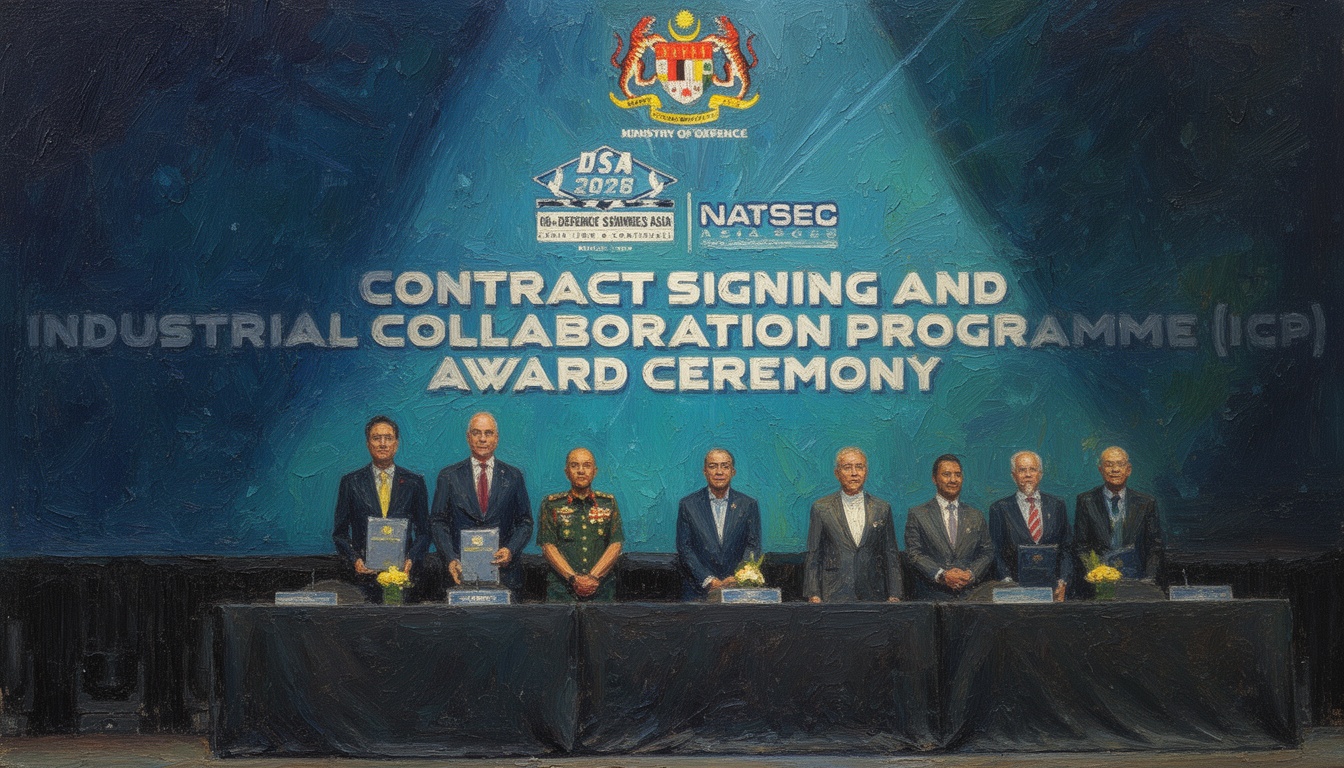
A binding contract was signed on April 22, 2026, between Malaysia's Ministry of Defence and Roketsan of Türkiye for the supply of Atmaca anti-ship missiles. The missiles are destined for Malaysia's Littoral Mission Ships, which are currently under construction in Istanbul. The agreement aligns with Malaysia's push to modernize its naval surface warfare capabilities and expand regional maritime deterrence. Details on quantities, unit cost, and delivery timelines were not disclosed at the exhibition.
The DSA 2026 exhibition in Kuala Lumpur served as the forum for the public disclosure of the procurement. Officials from Malaysia and Roketsan highlighted the strategic rationale behind equipping littoral combatants with improved anti-ship firepower. The Atmaca system, already integrated on other Türkiye-origin platforms, is presented as a mature, multi-mayor missile with sea-skimming capabilities and networked targeting. However, the contracting parties limited public commentary on technical specifics.
Strategically, the deal signals Türkiye's growing role as a defense supplier to Southeast Asia and underscores the importance of long-range, ship-kourned anti-ship missiles for regional navies facing littoral chokepoints. For Malaysia, the purchase enhances its blue-water reach and complements existing fleet-building programs focused on indigenously developed and foreign-sourced combat systems. The move also tests Türkiye's ability to scale export production for more than a single-platform solution.
Technical details publicly referenced point to Atmaca's multi-launch readiness, advanced sensor fusion, and modular warhead options that can deter surface threats in congested sea lanes. The Littoral Mission Ships under construction in Istanbul are being equipped with a future-ready missile system that integrates with maritime command-and-control networks. Security and export controls on sensitive propulsion and guidance components are likely prerequisites for future deliveries. Analysts will monitor the program for indicators of comparable orders in the Indo-Pacific and the implications for regional arms balance.
Likely consequences include accelerated shipboard integration timelines for Malaysia's Littoral Mission Ships and potential follow-on orders if performance meets expectations. The deal could influence regional navies to reassess their anti-ship capabilities and procurement priorities. Over the medium term, Türkiye's defense export portfolio could gain added credibility if production scales to meet international demand and if after-sales support remains robust.