Malaysia Football Crisis Deepens as CAS Upholds Player Sanctions
The Court of Arbitration for Sport's ruling shadows Malaysia's football integrity and highlights systemic corruption. The one-year bans of key players threaten national team performance and accountability.
The Court of Arbitration for Sport (CAS) has upheld a critical ruling that partially confirms sanctions against seven Malaysian footballers implicated in a scandal involving falsified naturalisation documents. This decision solidifies a one-year ban initiated by FIFA in September, following revelations that these players, including Facundo Garces from Deportivo Alaves, were allowed to participate in an Asian Cup qualifier against Vietnam under fraudulent pretenses. The ruling emphasizes a stark accountability crisis within Malaysian football, significantly tarnishing the sport's reputation on the international stage.
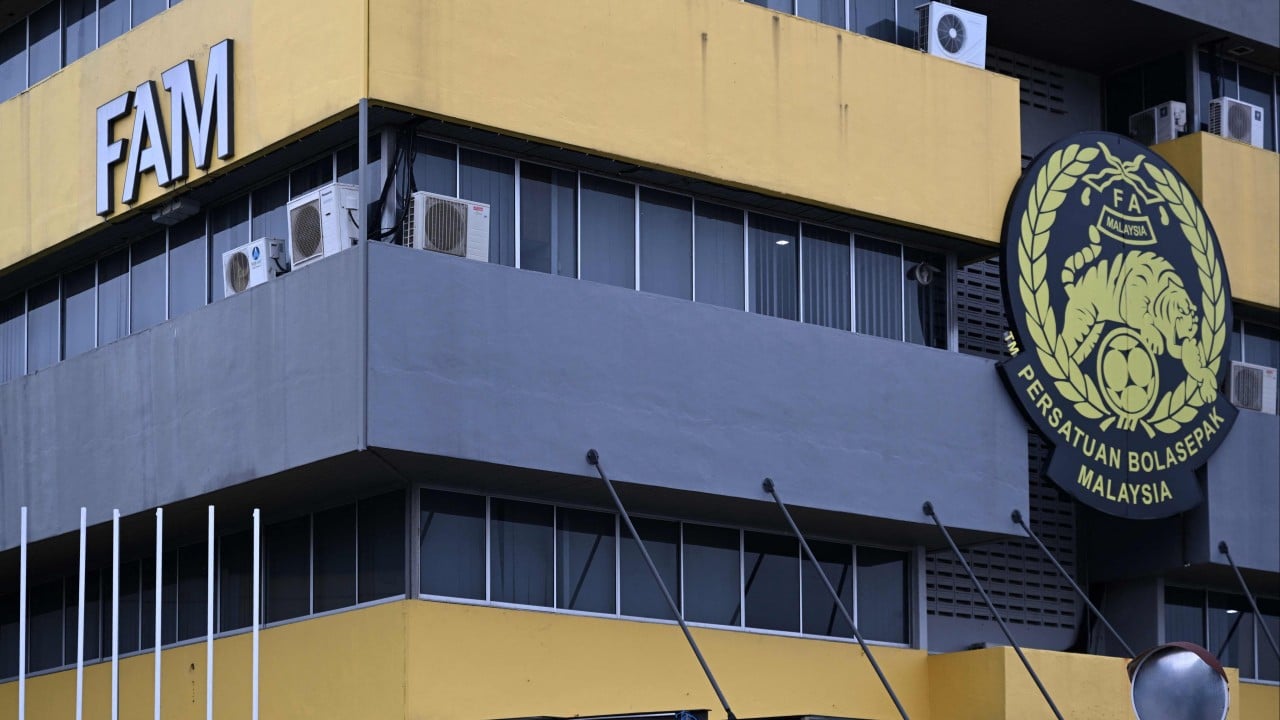
The scandal stems from an extensive network of corruption, where players purportedly presented doctored documentation to achieve eligibility for the national team. This misconduct was uncovered during an investigation launched by FIFA, exposing serious breaches in regulatory protocols. As a result, the Malaysian Football Association (FAM) faces mounting scrutiny regarding its governance and oversight of player registrations, reflecting a troubling trend of integrity issues within the sport's administration.
This ruling is momentous because it opens up Malaysia to increased scrutiny from international bodies and sponsors, impacting not only public perception but also future funding and support. The integrity of the national team is at stake, jeopardizing their competitiveness in regional tournaments. Moreover, the systemic corruption highlighted by this case raises questions over the long-term viability of Malaysian football and its governance structures in a region where reputational credibility is crucial for attracting international partnerships and investments.
Key players and stakeholders within the Malaysian football framework are likely motivated more by self-preservation than a genuine commitment to reform. The involvement of FAM in endorsing questionable practices poses a significant risk to accountability within the organization itself. Executive leadership may seek to downplay the incident publicly while scrambling behind the scenes to mitigate reputational damage that threatens their authority and influence in football.
Operational details surrounding the scandal reveal deeper systemic issues. The player bans, each lasting one year, reflect a general disregard for regulatory compliance. With the national team scheduled to compete in more qualifiers ahead, their ability to field a competitive squad is now compromised. Furthermore, sponsorship deals and partnerships previously secured could come under threat as stakeholders reevaluate their associations with a tarnished brand.
Consequences of this ruling are likely to extend far beyond sanctions, stirring unrest among fans and raising questions about team composition and future performance. Should calls for enhanced transparency and accountability gain momentum, FAM could potentially face demands for reform that disrupt established power dynamics within the association. These developments may also trigger similar investigations into other teams within Southeast Asia, sparking broader ramifications for regional football governance.
Historically, similar sanctions have led to significant shifts in national sports administrations, often triggering investigations into governance practices. The repercussions of such scandals can linger for years, impacting performance and tarnishing reputations long after the initial incident. In this case, Malaysia will have to navigate public mistrust and potential disciplinary actions, but also risk losing future talent, as young athletes may shy away from a system marred by corruption.
Going forward, observers should closely monitor how the Malaysian Football Association responds to this ruling. Intelligence indicators will include any changes to governance structures, public statements from key executives, and potential ramifications in upcoming fixtures. As the national team's performance is closely tied to these sanctions, upcoming games against formidable opponents will serve as critical moments for recovery or further crisis.