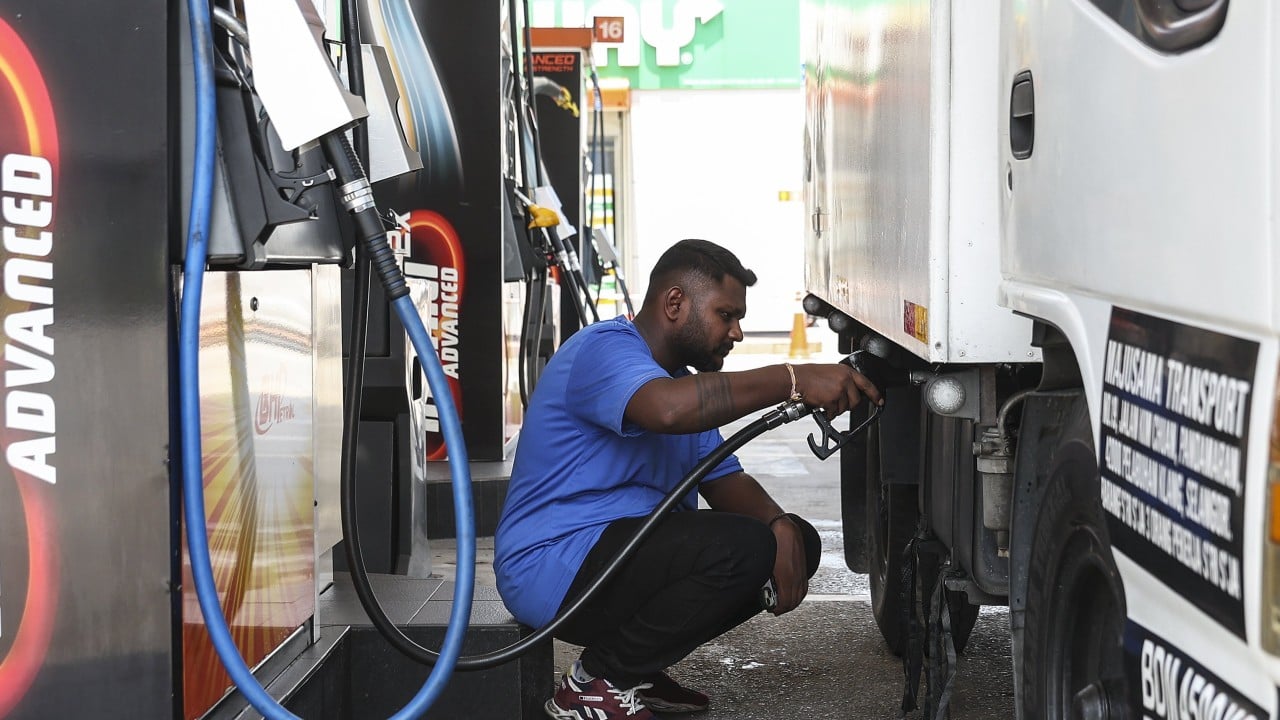
Malaysia Faces Energy Crisis as Subsidy Bill Surges Amid Iran War
Malaysia's fuel subsidy costs are set to skyrocket over fourfold due to the escalating Iran conflict, threatening the region's energy stability. Southeast Asia is on high alert as interruptions in oil and gas shipments loom.
Malaysia's fuel subsidy bill is projected to surge by over 400% in the short term, as the ongoing conflict in Iran severely disrupts global oil and gas shipments. The Malaysian government is scrambling to reassure citizens that the country's energy supply remains secure, despite escalating tensions following the U.S. and Israeli airstrikes on Tehran, which commenced on February 28. The conflict's immediate repercussions have begun to ripple across Southeast Asia, compelling regional governments to confront a possible energy crisis.
The conflict's origins can be traced back to long-standing geopolitical tensions involving Iran, the U.S., and Israel. The latest military escalation was sparked when the U.S. launched precision strikes against Iranian military assets, leading Iran to threaten closure of the Strait of Hormuz. This waterway is crucial for the transit of nearly 20% of the world's oil, making any disruption in the region a matter of global concern. Malaysia, which is heavily reliant on imported fuel, now finds its energy security jeopardized by these developments.
This situation bears significant ramifications not just for Malaysia but also for Southeast Asia's wider energy landscape. An abrupt spike in fuel subsidies will strain Malaysia's public finances and could lead to inflation, with ripple effects across its trade partners and neighboring countries. With fears mounting over energy shortages, countries like Indonesia and Thailand may scramble for alternative supply routes or sources, further destabilizing the region's economy.
Key actors in this scenario include the Malaysian government, which is prioritizing domestic stability over fiscal prudence, and the Iranian regime, which seeks to assert its power in the region despite facing crippling sanctions. The U.S. has its own strategic interests in maintaining a foothold in the Gulf, while the Israel-Iran conflict continues to escalate, with each side firmly entrenched in its positions. Malaysia's immediate focus will likely be on keeping public dissent at bay as fuel prices soar.
The budget deficit resulting from the subsidy increase is troubling, given that Malaysia's current subsidy program is already costing the government billions. Reports suggest that Malaysia's fuel subsidy expenditure could rise from approximately 16 billion MYR (around 3.6 billion USD) in 2022 to over 70 billion MYR (around 15.7 billion USD) by the end of this year. The financial strain could lead to calls for reforms in energy pricing and subsidy management, which are politically sensitive issues.
The likely consequences of these developments include increased domestic unrest as citizens react to soaring fuel prices and possible shortages. Moreover, if the Iran conflict deepens, and oil prices surge past current levels, the Malaysian economy may face recessionary pressures due to reduced consumer spending power. The threat of regional energy disruptions may also lead to heightened military posturing among Southeast Asian nations.
Historically, Southeast Asia has faced energy crises before, often in response to Middle Eastern conflicts. The 1973 oil crisis is a critical example where an embargo caused panic across the region. Today, however, the global economy's intertwining with Asian markets means a potential crisis could have faster and more severe effects, highlighting vulnerabilities in energy independence.
Looking ahead, attention should be focused on four key indicators: the stability of the Strait of Hormuz, domestic reaction in Malaysia to rising fuel costs, potential energy supply contracts signed by regional players, and further military engagements in Iran. Increased intelligence monitoring of shipping lanes through the Strait and possible adjustments in energy policies by ASEAN countries will be essential to grasp the evolving situation as it unfolds.