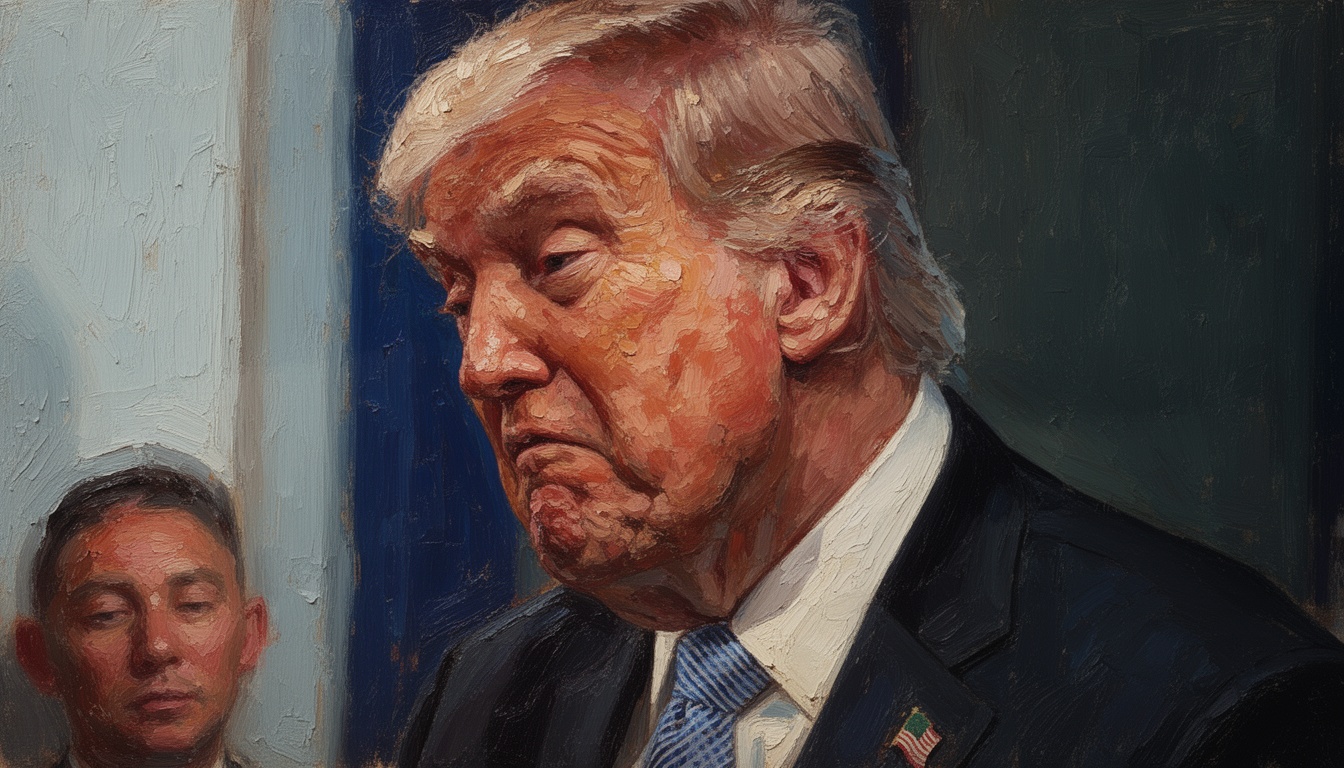
Madness or bluster? Trump’s apocalyptic language raises key questions
US President Trump's stark warnings over Iran signal heightened risk of conflict escalation in the Strait of Hormuz, a crucial global oil transit chokepoint. His apocalyptic rhetoric underscores deep tensions and unresolved standoff implications for regional and international security.
US President Donald Trump escalated tensions on Tuesday by threatening that “a whole civilisation will die tonight, never to be brought back again” if Iran did not reach a deal reopening the strategic Strait of Hormuz. This alarming statement marked a severe intensification in Washington’s rhetoric on the conflict with Iran.
Trump, once eager for a Nobel Peace Prize and perceived as a dealmaker, now employs stark, apocalyptic language reflecting frustration in resolving his administration’s chosen conflict. The Strait of Hormuz, through which roughly 20% of the world’s oil supply transits, remains a critical flashpoint between the US and Iran.
Strategically, this heightened rhetoric raises the risk of miscalculation and potential military escalation in a region vital to global energy security. The Iranian standoff puts pressure on international stakeholders, threatening to destabilize global oil markets and regional security architectures.
Operationally, the Strait’s reopening involves complex naval and diplomatic efforts amid ongoing US sanctions and Iran’s nuclear program controversies. The risk of a direct confrontation remains high, with Iran possessing sophisticated missile and naval capabilities capable of disrupting shipping lanes.
Looking forward, Trump’s threats could provoke regional backlash or harder Iranian countermeasures. Diplomatic avenues appear strained, and the danger of conflict escalation in one of the world’s most geopolitically sensitive corridors demands urgent international attention and crisis management.