Macron Escalates Nuclear Threat by Offering Assets to European Allies
France's pivot to nuclear deployment raises tensions amid European security concerns. This shift alters nuclear deterrence and complicates relations with Russia.
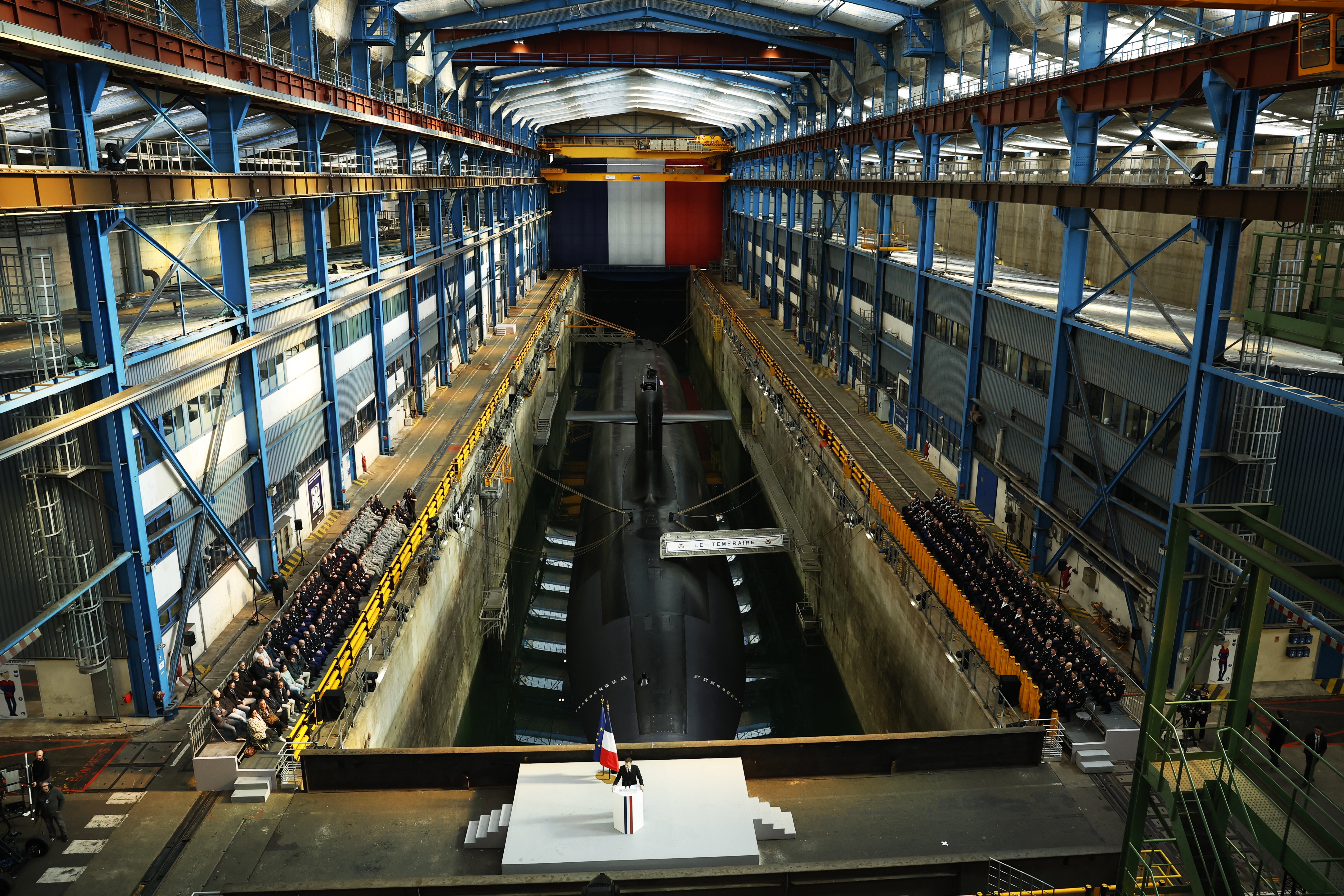
French President Emmanuel Macron announced a significant shift in France's nuclear policy, revealing plans to deploy French nuclear assets to European allies as a pronounced deterrent against external threats. This declaration came during a critical speech at the Île Longue naval base, where Macron described the plan as a "major evolution" of France's deterrence posture, signaling a bold step towards greater nuclear integration within Europe.
Historically, France has maintained a relatively independent nuclear posture, prioritizing its own deterrent capabilities over collective European nuclear defense initiatives. However, increasing threats from Russia, particularly following the annexation of Crimea and ongoing tensions in Eastern Europe, have compelled France to reconsider its nuclear strategy. This move follows a broader trend within NATO to strengthen collective defense measures in light of perceived existential threats.
The implications of Macron's announcement are substantial, fundamentally shifting the strategic landscape in Europe. By potentially integrating French nuclear assets into a collective European defense framework, this development complicates security dynamics, particularly concerning Moscow's response. Russia has long viewed NATO's eastward expansion and nuclear presence as direct threats, and this escalation could provoke a military counter-response or further destabilizing actions in Eastern Europe.
Key players in this scenario include not only France but also Germany and other European NATO allies that may seek to enhance their security guarantees through this nuclear-sharing arrangement. Macron’s motivations stem from a desire to bolster European autonomy in defense matters while simultaneously sending a firm signal to Russia about the seriousness of European unity in the face of aggression.
Operationally, France's nuclear arsenal consists of approximately 290 warheads and a fleet of submarines equipped with the submarine-launched ballistic missiles (SLBMs) known as M51s. The integration of these assets into a broader European defense strategy would require significant logistical planning and mutual agreement across NATO members, along with a reevaluation of existing defense budgets and priorities.
Consequently, this nuclear posture shift raises numerous potential escalatory vectors. The likelihood of increased military exercises, heightened surveillance activities, or even deployments of additional conventional and nuclear assets in Eastern Europe could become a reality as European states reassess their security needs in response to this announcement. Furthermore, Russia's reaction will be critical, as the Kremlin may view this as a provocation, raising the stakes for possible military standoffs.
Historically, nuclear posturing has often led to crises, such as during the Cold War's Cuban Missile Crisis, which nearly brought the U.S. and Soviet Union to the brink of conflict. This parallel underscores the dangers of nuclear escalation and the thin line between deterrence and confrontation.
Moving forward, analysts should monitor a variety of indicators, including changes in military readiness among European NATO forces, Russian military movements, and the nature of international diplomatic engagements following this announcement. The trajectory of France's enhanced nuclear strategy will likely shape European defense policy for years to come.