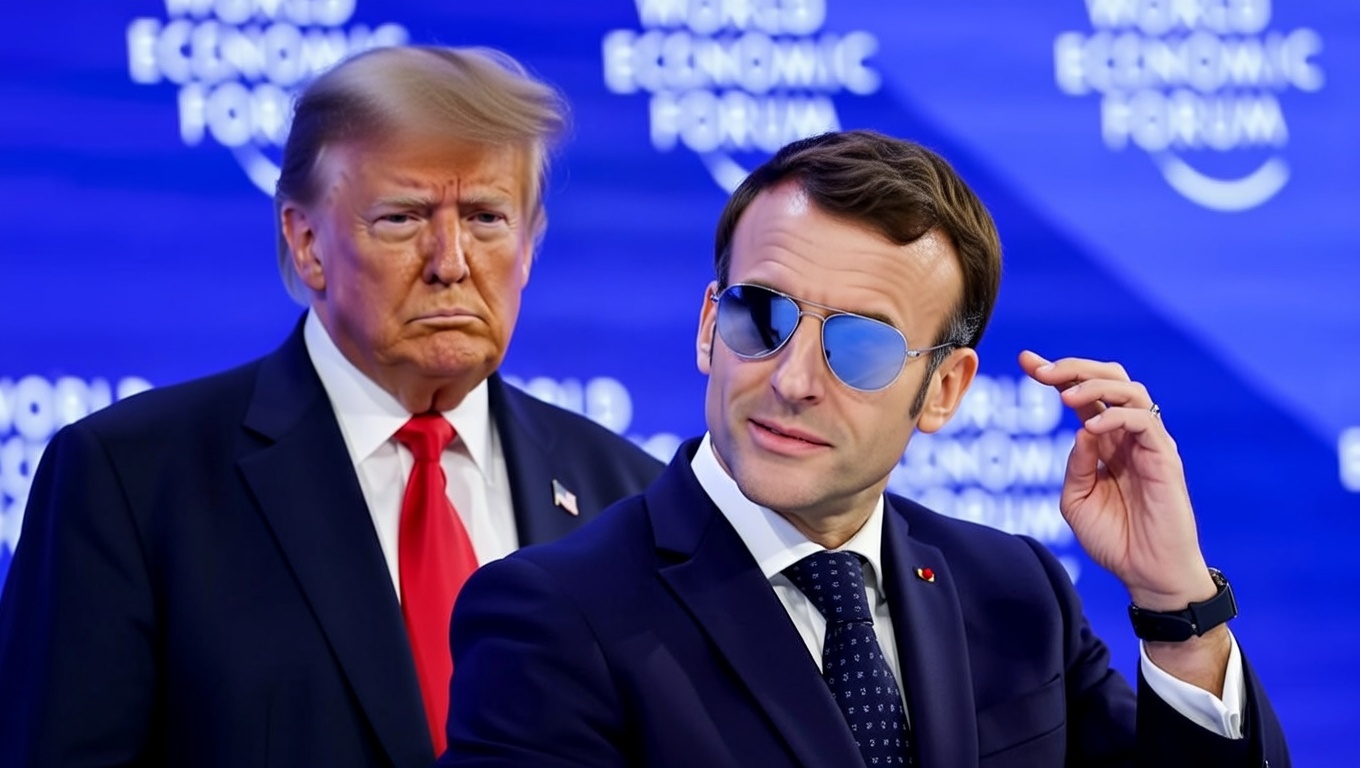
Macron Disputes Trump: No Evidence of Iranian Mining in Hormuz
French President Emmanuel Macron defies claims of Iranian military decline, raising doubts about U.S. intelligence. The credibility of intelligence on Iran's operations is in question, increasing regional tensions.
French President Emmanuel Macron explicitly contradicted U.S. President Donald Trump's assertions regarding Iran's military capabilities and activities in the Strait of Hormuz. Following a video conference with G7 leaders, Macron stated, "I have no confirmation of this, either from partner services or from our own services," referencing the allegation that Iran was laying sea mines in the strategically crucial waterway. This public dismissal raises alarms about the reliability of intelligence assessments that influence key international security decisions.
The strained U.S.-Iran relationship has been marked by escalating tensions following the U.S. withdrawal from the Joint Comprehensive Plan of Action (JCPOA) in 2018 and the subsequent imposition of heavy sanctions on Iran. The international community has been on edge as Iran continues to develop its military capabilities amid regional instability. Macron's remarks directly challenge the narrative pushed by the Trump administration that insists Iran's military has been "reduced to zero," suggesting a deeper rift among Western allies regarding the perceived threat from Tehran.
Macron's challenge to U.S. claims has significant implications, signaling a potential schism between NATO allies around the assessment of Iran's military role in the region. Should European intelligence diverge from U.S. assessments, it could embolden Tehran and disrupt any unified response to Iranian military posturing, especially considering the critical nature of the Strait of Hormuz for global oil supplies.
Key players in this unfolding drama include the U.S., France, Iran, and other G7 nations, each with their own national interests at stake. Macron's stance indicates a desire to maintain diplomatic relations with Iran, alongside a focus on European security strategies that may not align with U.S. aggression and military posturing, which could lead to a recalibration of Western approach to Iran.
From a technical perspective, should Iran actually be laying mines, the implications for naval operations in the Strait of Hormuz would be profound. The strait is one of the world’s most vital maritime chokepoints, with approximately 20% of global oil trade passing through its waters. Any mining activity could deter commercial shipping and prompt military responses from regional powers and the U.S. Navy.
The likelihood of escalating tensions remains high, particularly if U.S. rhetoric continues to escalate without corroborating evidence. As both nations maintain their positions, the situation may further destabilize the region and encourage more aggressive Iranian maneuvers, including potential proxy conflicts in neighboring countries like Iraq and Syria.
Historically, intelligence disagreements among allies have led to significant repercussions. The lead-up to the Iraq War in 2003, for example, highlighted the dangers of uncorroborated intelligence drives for military action. The fallout from these past mistakes calls into question how the current U.S. narrative on Iran might influence decision-making moving forward.
Looking ahead, key indicators to watch include further intelligence assessments from European and U.S. intelligence agencies regarding Iranian military capabilities and any movements of Iranian naval forces in the Persian Gulf. Heightened surveillance and maritime patrols by the U.S. and allied forces may also signal increased concerns over potential Iranian provocations in critical shipping lanes.