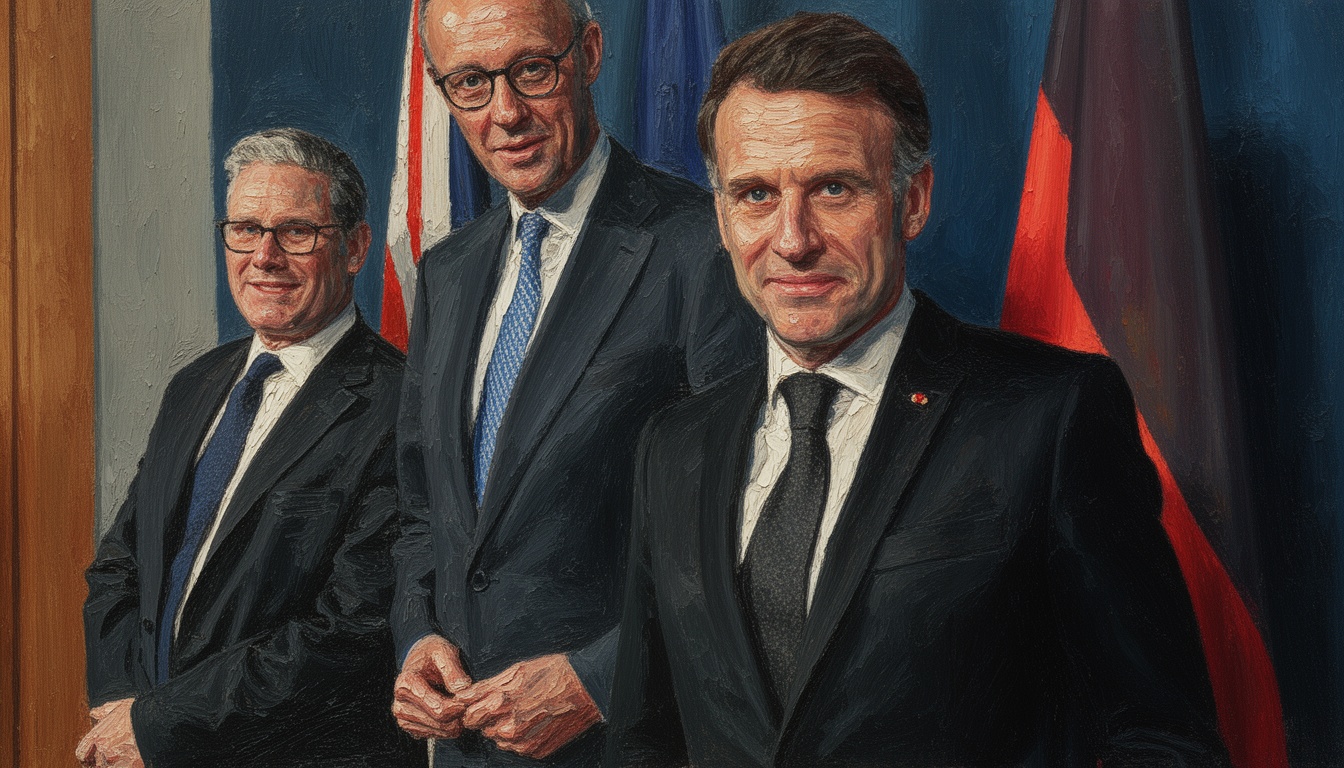
Macron and Starmer weigh multinational Hormuz mission
Europe and the UK coordinate to consider a multinational force for the Strait of Hormuz. The move signals heightened concern over strategic chokepoints amid regional tensions. The proposal aims to secure navigation and free-flowing trade once Iran–US–Israel tensions subside.
The leaders convened a high-level meeting to assess a potential multinational security operation in the Strait of Hormuz. Macron and Starmer chair a discussion with allied ministers, intelligence chiefs, and defense planners. The objective is to deter disruption to international shipping and protect energy routes during any post-conflict stabilization phase.
The background is shaped by the region’s vulnerability to escalation around Iran, US, and Israeli positions. Allies have long warned that blockages or strikes could paralyze one of the world’s busiest maritime corridors. The current talk centers on building a coalition framework, funding avenues, and rules of engagement that would be accepted by participating states.
Strategic significance rests on preserving naval freedom of navigation and signaling robust alliance credibility. A force in Hormuz could elevate deterrence against potential miscalculations. It would also test the transatlantic alliance’s ability to operationalize a rapid, multinational effort in a geopolitically sensitive waterway.
Technical and operational details are still sketchy, but officials hint at a spectrum of assets: ships, air cover, maritime interdiction capabilities, and secure command-and-control links. The budget would need to cover multinational logistics, rotational deployments, and rules of engagement compatible with regional states. Any mission would hinge on diplomatic acceptance from Gulf partners and clear exit criteria.
Forward assessment suggests the proposal would raise both deterrence value and regional tensions. If pursued, it would set a precedent for post-conflict security architectures in critical chokepoints. The timing remains contingent on de-escalation progress and the readiness of partners to contribute forces and basing rights.