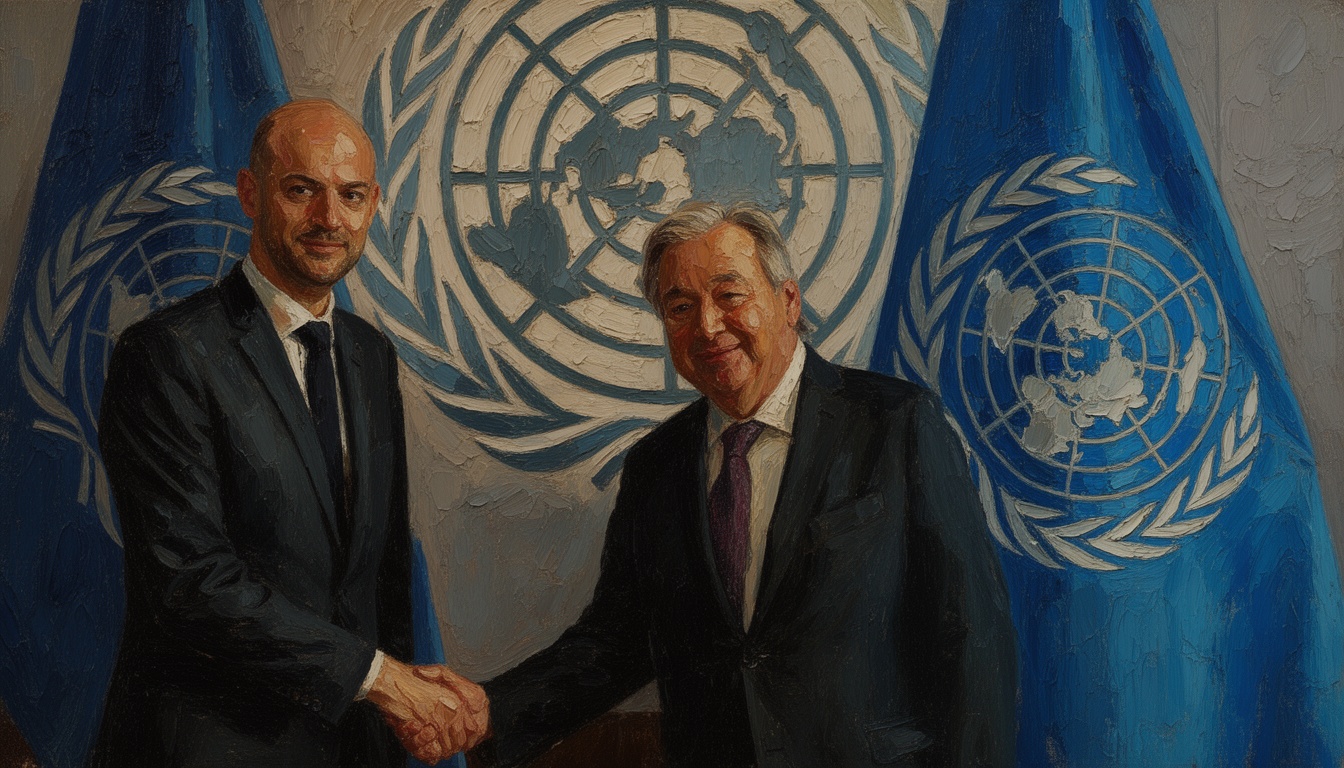
Looming Nuclear Arms Race Risks Resurface at UN NPT Review
Signatories to the nuclear non-proliferation treaty convene at the UN to confront rising fears of a renewed arms race. The gathering highlights resumed tensions between atomic powers over safeguards and verification as global custodians press for stronger norms and verification regimes.
The meeting at the United Nations in New York opens with a blunt assessment: the specter of a renewed nuclear arms race is rising as major powers lock horns over safeguards. Signatories to the landmark non-proliferation treaty—viewed as the backbone of global arms control—face pressure to demonstrate restraint while addressing modernization and transparency gaps. The mood mixes urgency with frictions, as states seek to preserve strategic stability amid diverging security priorities and regional flashpoints. The tone from the conference hall underscores that the nuclear order is fragmenting at a time when collective action is supposed to be strongest.
Background stretches back to 2022, when the treaty’s review conference treated its status as a hinge for global disarmament. The UN Secretary-General warned that humanity remained perilously close to a tipping point given misinterpretations and miscalculations that could unleash catastrophic consequences. The current session carries forward that warning, with diplomats detailing how verification, transparency, and compliance practices have evolved—and where they still falter. In essence, the NPT remains under strain from both old rivalries and new modernization programs that recalibrate deterrence.
Strategically, the summit crystallizes a choice facing blocs and regions: either reinforce a rules-based order with verifiable safeguards or accept competitive escalation that erodes strategic trust. The risks extend beyond treaty text into the realm of operational doctrine, alliance behavior, and regional arms races. If safeguards are perceived as insufficient or reversible, pressure mounts for expedited weapon modernization as a form of hedging against perceived strategic uncertainty. The consequence could be a dangerous feedback loop of incentives to accelerate capabilities rather than constrain them.
From a technical standpoint, participants are weighing the pace of modernization efforts, stockpile management, and delivery-system proliferation that complicate verification. Discussions likely touch on fissile-material stockpile transparency, the robustness of IAEA safeguards, and how emerging technologies could outpace current inspection regimes. Budgetary commitments to maintenance and upgrade cycles for strategic platforms—missile submarines, intercontinental ballistic missiles, and air-delivery wings—are central to assessments of future deterrence postures. The dialogue stresses that without concrete verification teeth, political declarations lose dissuasive value.
Looking ahead, the meeting is poised to set the tone for diplomacy and risk reduction in the near term. Expect continued calls for enhanced verification mechanisms, confidence-building measures, and a renewed commitment to the universality of the treaty. Analysts assess that the outcome will influence regional security calculations, export-control alignments, and alliance strategies for years to come. If the nuclear narrative tilts toward retrenchment rather than restraint, the probability of miscalculation rises, with potentially destabilizing knock-on effects across international security and non-proliferation architecture.