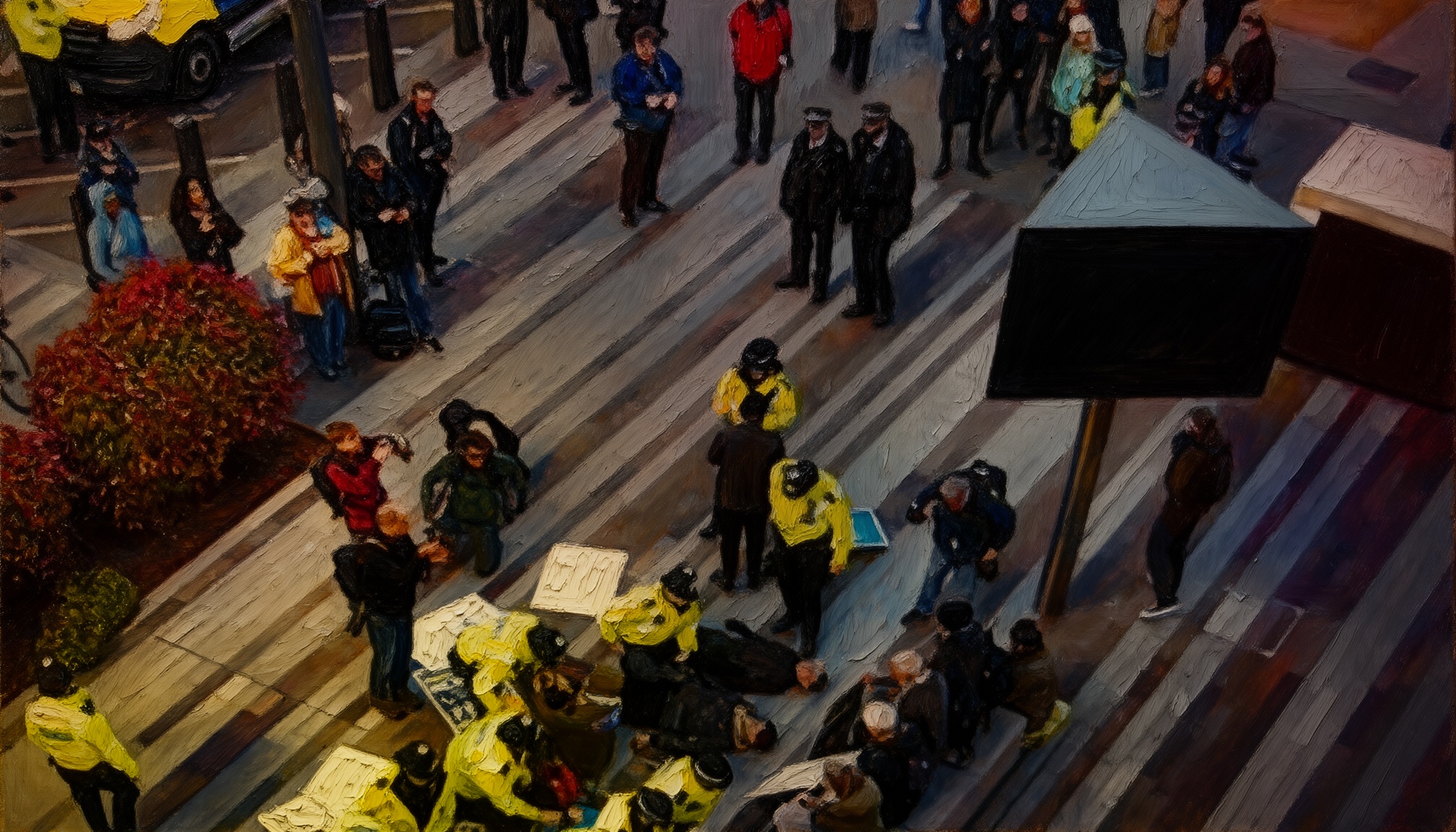
London Police Arrest Palestine Protesters After Policy Reversal
London's Metropolitan Police reversed a policy easing protests, arresting Palestine Action supporters despite a High Court ruling. The force insists its 'terror' ban on certain protests remains active, signaling increased tensions around protest policing.
London's Metropolitan Police arrested several Palestine Action supporters following a sudden reversal of their previous protest policy. This comes just days after the force declared it would ease restrictions following a High Court ruling. The arrests highlight a sharp escalation in policing tactics against politically charged demonstrations in the capital.
The policy U-turn was announced after a judicial decision appeared to curtail the police's ability to ban protests on terrorism grounds. However, the Met insisted that bans related to 'terror' concerns remain valid and enforceable. This contradicts earlier suggestions that legal hurdles would limit police suppression of such demonstrations.
Strategically, this move reflects ongoing challenges in balancing security concerns with protesters' rights amid heightened sensitivities around Middle East conflicts. The London action serves as a bellwether for how Western capitals might police contentious political movements connected to global conflicts.
Operationally, arrests targeted activists linked to Palestine Action, a group known for direct action protests against arms fairs and Israeli policies. The police's decision demonstrates reinforced use of anti-terror legislation to shut down demonstrations perceived as threats. The exact number of detainees has not been disclosed, but the move signals a readiness to confront disruptive activism aggressively.
Looking ahead, this policing rigidity risks inflaming tensions between authorities and protest groups in London. It may trigger wider debates over appropriate limits on protest and civil liberties as governments grapple with security threats and public dissent. Observers will watch closely if this signals a broader European clampdown on politically sensitive protests.