Lockheed Martin Completes Live SPY-7 Radar Test for Japan’s ASEV
Lockheed Martin, alongside US and Japanese defense agencies, successfully tested the SPY-7 radar for Japan’s ASEV program. This advancement marks a critical step in deploying advanced missile defense capabilities in the Indo-Pacific, enhancing Japan’s strategic deterrence against regional threats.
Lockheed Martin has successfully completed a live target tracking exercise with the SPY-7 radar system, integral to Japan’s ASEV (Aegis System Equipped Vessel) program. The test involved collaboration with the US Department of War, the Missile Defense Agency, and Japan’s Ministry of Defense. This marks a pivotal validation of the radar’s operational performance in realistic conditions.
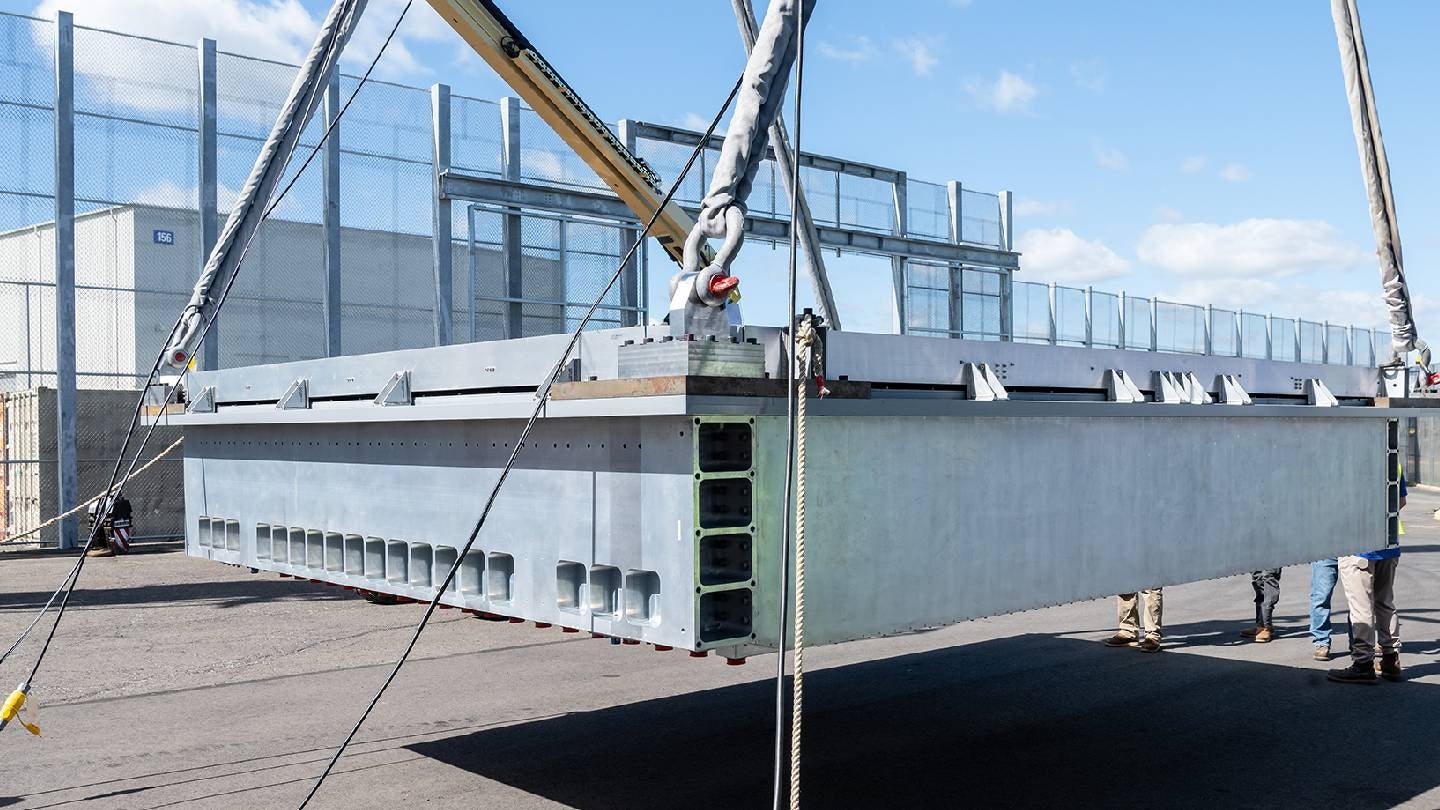
The SPY-7 radar is a cutting-edge active electronically scanned array (AESA) radar designed to detect and track multiple air and missile targets simultaneously over vast distances. Developed to integrate with the Aegis Combat System, it enhances Japan’s capability to detect ballistic missile threats and coordinate defensive responses in the Indo-Pacific theater.
The successful live test of the SPY-7 reflects growing cooperation between US and Japanese defense sectors amidst advancing regional missile threats from North Korea and China. Deployment of these radars on ASEV ships is expected to significantly increase Japan’s layered missile defense and contribute to American-Japanese strategic alignment in the region.
Technical details reveal the SPY-7’s AESA radar operates in the S-band and uses gallium nitride (GaN) semiconductors for increased power and thermal efficiency. The radar supports simultaneous multi-target tracking and can operate in environments with heavy electronic jamming and clutter. Its integration with the ASEV program's Aegis Baseline 10 system will enable Japan to field one of the world’s most advanced naval missile defenses.
Moving forward, full operational deployment of the SPY-7 equipped ASEVs will alter the regional security balance by deterring missile attacks and strengthening collective missile defense cooperation between the United States and Japan. The radar’s performance validation also supports potential future exports to allied navies needing advanced ballistic missile defense.