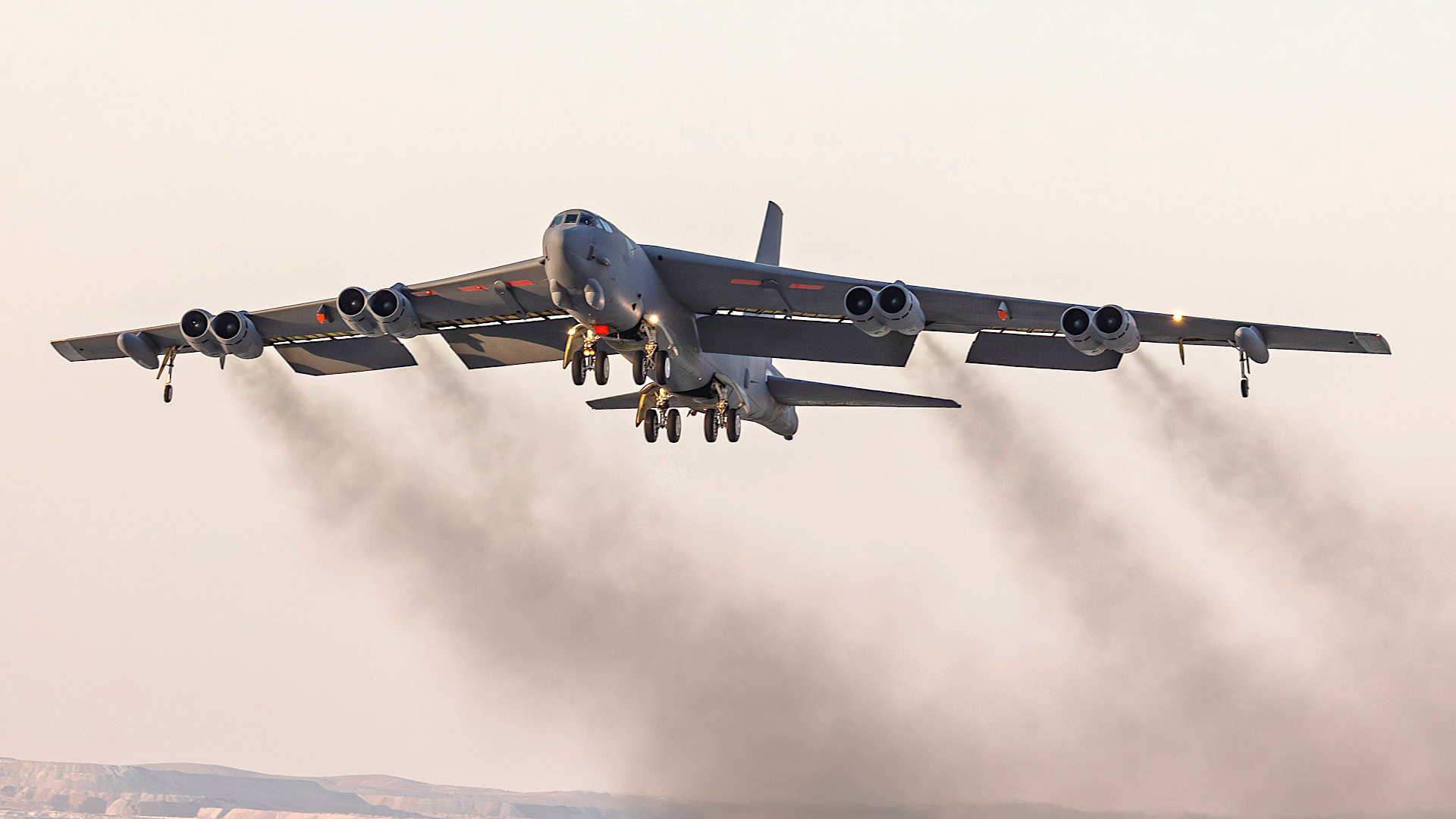
Limited B-52 Fleet Hinders Critical Nuclear Capability Upgrades
The dwindling number of nuclear-capable B-52s presents severe operational risks. Upgrades critical for maintaining deterrence are delayed, as global demands strain the fleet.
The US Air Force is facing significant operational challenges due to its limited fleet of B-52 bombers, particularly affecting the implementation of crucial upgrades to engines and radars. With the majority of the fleet engaged in missions worldwide, the ability to schedule and conduct these upgrades is becoming increasingly problematic. As the B-52s are at the center of America's nuclear deterrence strategy, the delays could jeopardize their operational effectiveness in a crisis.
Historically, the B-52 Stratofortress has served as a deterrent since its introduction in the 1950s, but its aging infrastructure presents unique challenges today. The aircraft was originally designed during the Cold War, and through various updates, it has become a platform for both conventional and nuclear airpower. However, the shrinking fleet—only about 76 B-52s remain operational—has forced the Air Force to balance modernization efforts with the need to maintain a robust global presence against rising threats.
The implications of these delays in upgrades are profound. In an era of resurgent great power competition, the United States must ensure its strategic bomber fleet can effectively project power and provide credible deterrence against adversaries such as China and Russia. The B-52s serve a dual role, and if their systems remain outdated during potential conflicts, the US risks compromising its influence and security on the global stage.
Key players in this scenario include the US Air Force and defense contractors like Boeing. The Air Force prioritizes maintaining global operational capability, often at the cost of modernization. Meanwhile, defense contractors may face pressure regarding their timelines and budgets to deliver the necessary upgrades, which include advanced radar systems and engine enhancements aimed at improving reliability and performance.
Operationally, the B-52s have various outstanding requirements, particularly regarding their Pratt & Whitney F119 engines and the AN/APG-63 radar systems. The radar system is crucial for long-range engagements and situational awareness, while engine upgrades are necessary to comply with fuel efficiency and reliability standards. Each upgrade involves significant financial investment and coordination, estimated at over $1 billion when considering the complete scope of modernization for the entire fleet.
Consequences of maintaining the status quo include growing vulnerabilities and reduced deterrent capabilities. Potential adversaries may exploit this weakness, emboldening their actions under the assumption that the US air response could be hampered due to outdated systems. The current operational tempo also risks exhausting the aircraft and personnel, thereby compounding the existing resource constraints.
Looking back, the United States has faced similar dilemmas during periods of military drawdown and technology stagnation, notably in the late Cold War era, when reliance on outdated platforms risked strategic surprise and failure in deterrence. The lessons learned from history point to the urgent need for a balanced approach between maintaining an operational fleet and integrating advanced technologies to ensure effectiveness.
Moving forward, intelligence experts will be closely monitoring the Air Force's upgrade timelines and operational capacities. Signals of increased funding or accelerated contracts for B-52 modernization could hint at recognition of urgent needs, while further delays may indicate a deepening strategic crisis in American military preparedness against its global adversaries.