Light Uncrewed Helicopters Compete for USMC Resupply Contract
Robinson R66 and Bell 505 adaptations are vying for a key USMC contract to develop an autonomous resupply vehicle.
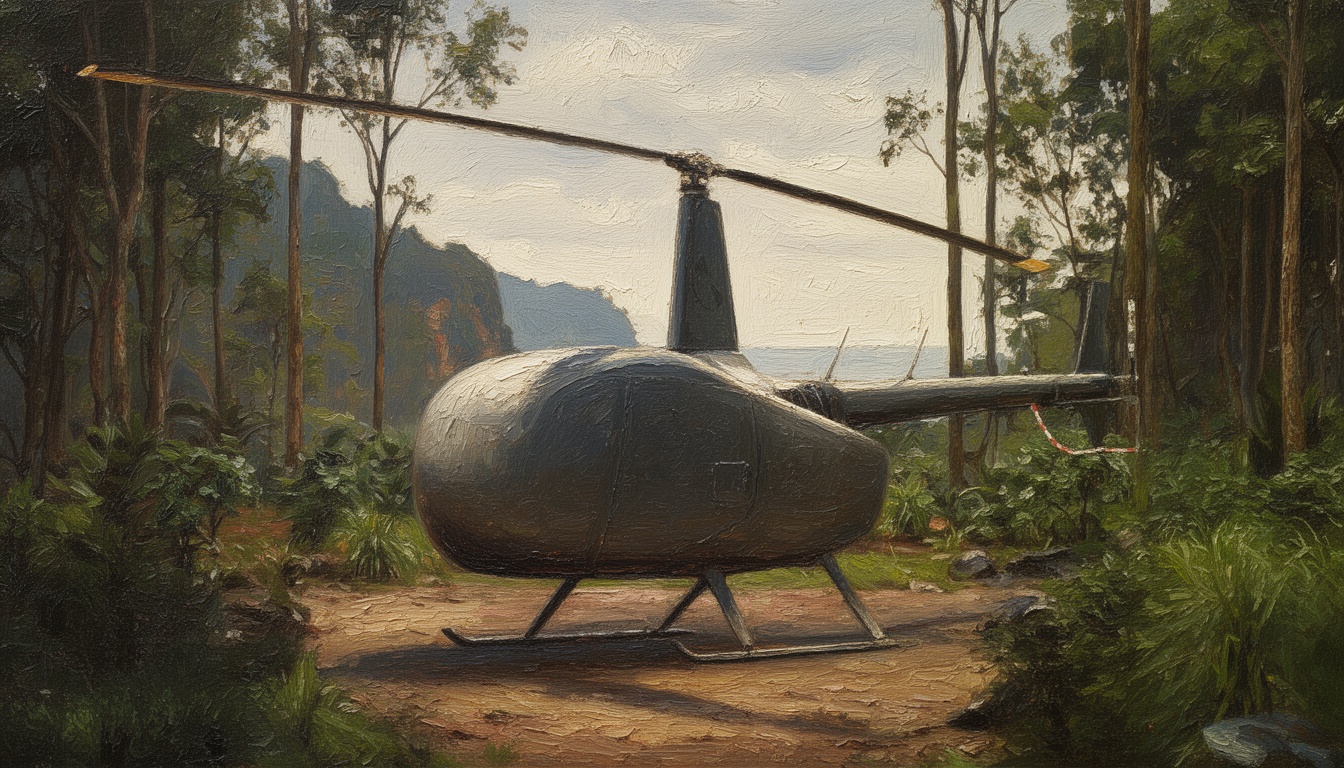
Two modified commercial rotary-wing designs, the Robinson R66 and the Bell 505, are competing for a crucial U.S. Marine Corps (USMC) contract to create an uncrewed autonomous resupply vehicle. This contract aims to enhance logistical capabilities by enabling efficient and effective transport of supplies without the need for onboard pilots.
Both helicopter designs are well-established in the commercial sector and have proven their reliability in various operational environments. The adaptations are expected to integrate advanced autonomy technologies to fulfill the USMC’s logistical needs in contested environments, facilitating rapid and flexible supply distribution to troops in the field.
The strategic significance of this competition lies in the potential operational advantages that such uncrewed systems could provide for the USMC. By employing autonomous cargo helicopters, the Marine Corps can not only reduce the risk to human life during supply missions but also improve logistical responsiveness in dynamic combat situations, thereby enhancing overall mission effectiveness.
Operationally, modifications to these helicopters focus on payload capacity, endurance, and autonomy levels. Each design must demonstrate its capability to navigate complex terrains, avoid obstacles, and execute precise delivery missions under various conditions. This capability set positions them as vital tools for modern military logistics.
Should either variant secure the contract, it could result in a significant leap forward in USMC supply chain operations. Ongoing advancements in uncrewed technology will likely shape future military logistics frameworks and increase effectiveness in rapidly changing combat scenarios, positioning the USMC ahead in the evolving landscape of military operations worldwide.