Leonardo Secures $1.9B for Iveco Military Vehicle Takeover
Italy’s Leonardo advances a $1.9 billion deal to acquire Iveco's land vehicle division, aiming to reshape European military vehicle production. The transaction leverages combined sales networks to expand market reach and consolidate defense manufacturing power. This acquisition signals intensified competition in the European defense industrial sector with strategic implications for NATO and regional security dynamics.
Italian defense giant Leonardo is finalizing a $1.9 billion acquisition of Iveco’s military land vehicle business. The company announced it will finance the takeover using available cash reserves, emphasizing immediate control without external borrowing. This deal marks a significant consolidation move within Europe’s defense manufacturing landscape.
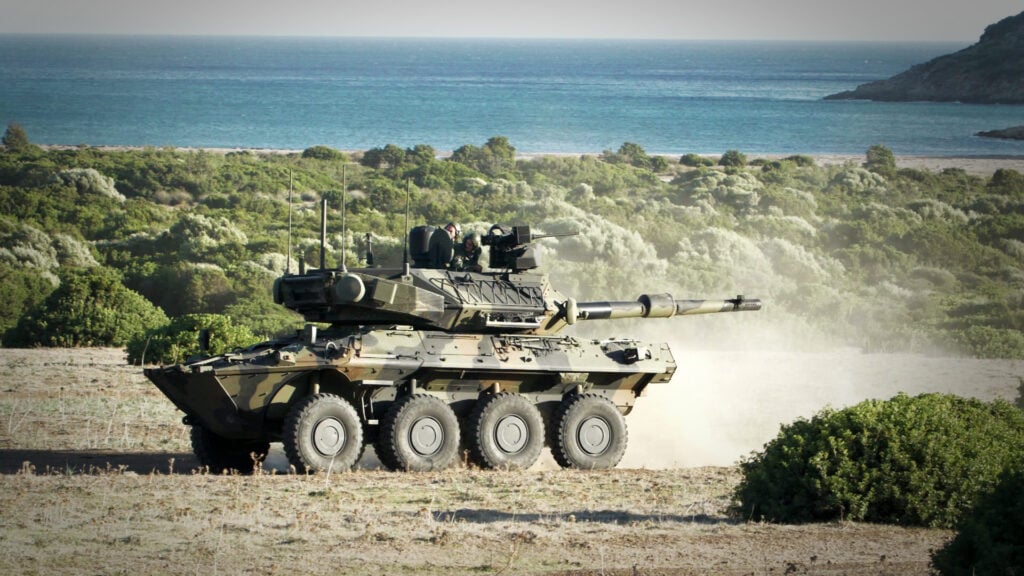
Iveco’s military vehicle division specializes in tactical wheeled vehicles, including armored personnel carriers and logistics trucks, serving various NATO and allied armies. Leonardo plans to integrate these capabilities with its own platforms, enhancing operational synergies and technological interoperability. The complementary sales networks of both firms are expected to broaden penetration across international defense markets.
Strategically, Leonardo’s move can shift balance in the European defense industry by consolidating production capacity and innovation pipelines. It raises questions about future competition with other major European defense players like Rheinmetall and FNSS. The acquisition strengthens Leonardo’s position in supplying advanced land mobility solutions critical for NATO force readiness and EU defense autonomy ambitions.
Technically, Iveco’s portfolio includes protected vehicles like the light multirole Centauro and medium tactical trucks such as the Eurocargo, with modular armor and mobility options adaptable to evolving battlefield threats. Leonardo’s facilities will likely expand to include Iveco’s engineering and production lines, integrating digitalization and autonomous vehicle tech to modernize the combined offerings.
Looking forward, Leonardo’s consolidation may fuel further European defense industrial mergers amid escalating regional tensions. It enables Italy to bolster its defense exports and assert greater influence in NATO procurement frameworks. However, this concentration also risks heightening rivalries within Europe’s fragmented defense sector and pressures to maintain competitive innovation.