Lebanon War Drives Art Therapy for Traumatized Children
Ongoing strikes in Lebanon inflict severe psychological trauma on children. Art emerges as a vital tool for emotional relief and resilience building amid conflict. This shift highlights the war’s deep social impact beyond physical destruction.
The intensifying war strikes in Lebanon are causing profound psychological trauma among children, exacerbating an already fragile humanitarian situation. As physical safety becomes precarious, the mental health crisis grows urgent, with countless young lives scarred by violence and instability.
Historically, Lebanon’s conflicts have repeatedly devastated civilian populations, but the current wave of strikes amplifies the urgency of mental health support for vulnerable groups like children. Conventional aid often focuses on immediate survival needs, leaving psychological wounds less addressed.
This conflict-induced trauma creates fertile ground for innovative therapeutic interventions. Art therapy programs have been rapidly deployed by local NGOs and international agencies aiming to provide children with outlets for emotional expression and psychological relief. These initiatives serve as critical mechanisms to build resilience amid ongoing warfare.
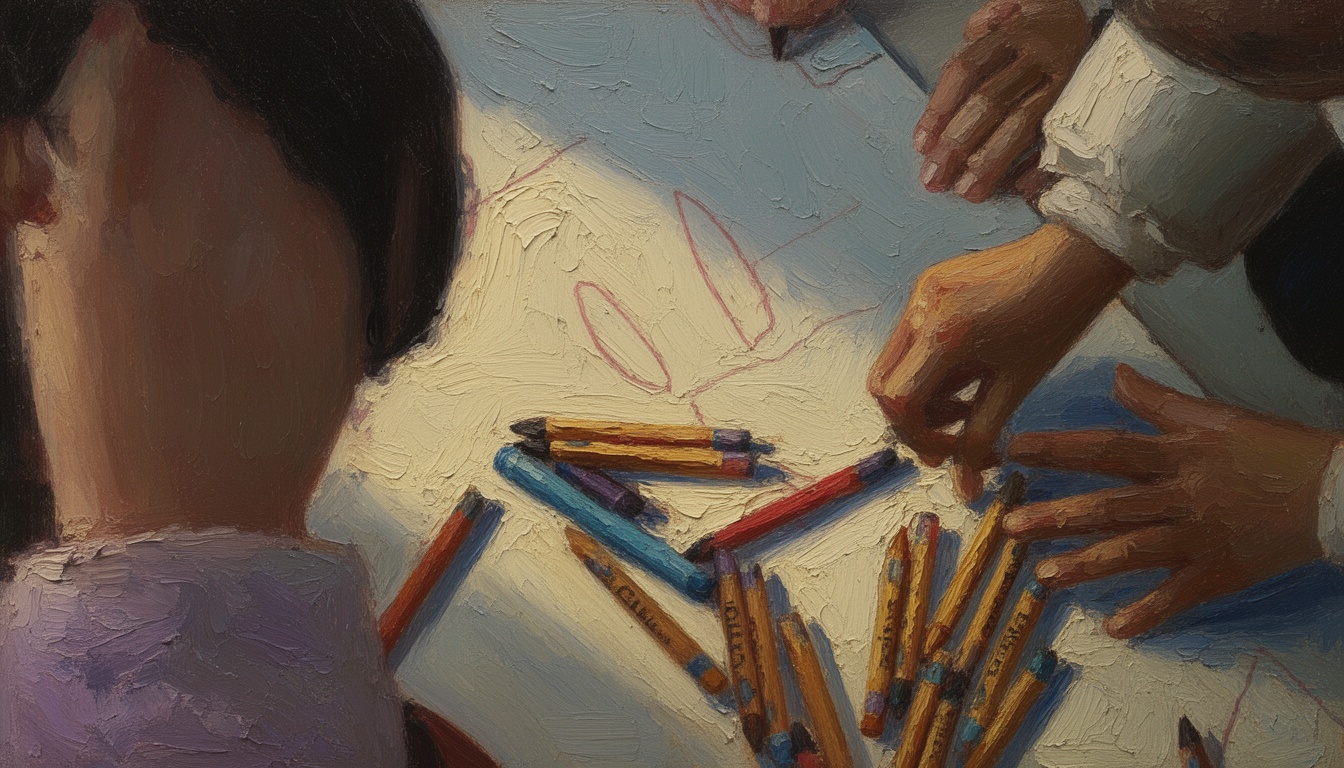
Typical programs utilize drawing, painting, and sculpting activities tailored to children ages 5-15. Facilitators guide participants to channel fear, anxiety, and grief into creative processes, strengthening coping mechanisms. This approach counters social isolation and helps restore a semblance of normalcy amid chaos.
Looking ahead, sustained support for art-based therapy in Lebanon will be crucial as conflict endures and mental health repercussions deepen. These efforts may foster a generation better equipped to heal communal wounds and contribute to long-term societal stability post-conflict.