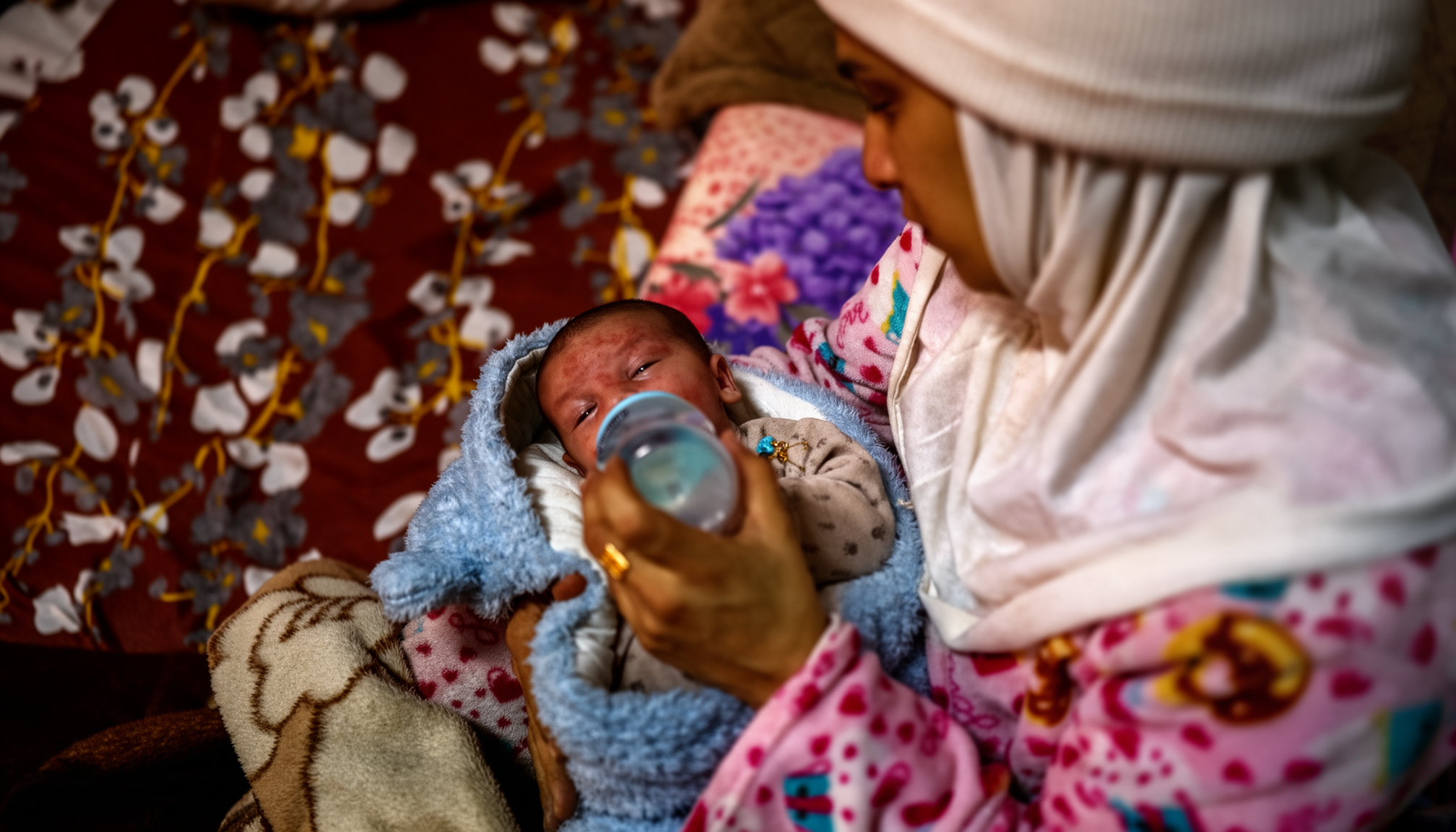
Lebanon Mothers Raise Newborns Amid Israeli Offensive
Israeli airstrikes in Lebanon disrupt lives of pregnant women and new mothers, forcing displacement and complicating neonatal care. This humanitarian crisis adds layers to an escalating regional conflict with broad security repercussions.
Israeli airstrikes on Lebanon have intensified, directly impacting civilian populations, particularly pregnant women and new mothers. Among the displaced is 29-year-old Hawraa Houmani, who fled her village at nine months pregnant as bombs targeted her community.
The ongoing conflict between Israel and Lebanese territories has already caused significant civilian displacement, stressing healthcare systems and endangering vulnerable groups. Women like Houmani face immense challenges securing medical care for themselves and their newborns while coping with the trauma of war.
Strategically, this crisis exacerbates humanitarian strains within Lebanon, undermining social stability and increasing opportunities for militant groups to exploit local grievances. The interference with maternal health services and safe birthing conditions heightens long-term security risks.
Operationally, the air campaign employs precision strikes but often results in collateral damage to civilian infrastructure, including hospitals and clinics critical for neonatal care. Displacement disrupts access to essential medical supplies and trained personnel.
Continued hostilities risk a deeper humanitarian disaster with rising infant mortality and maternal health crises. International aid and ceasefire efforts are essential to stem worsening conditions and prevent escalation beyond Lebanon’s borders.