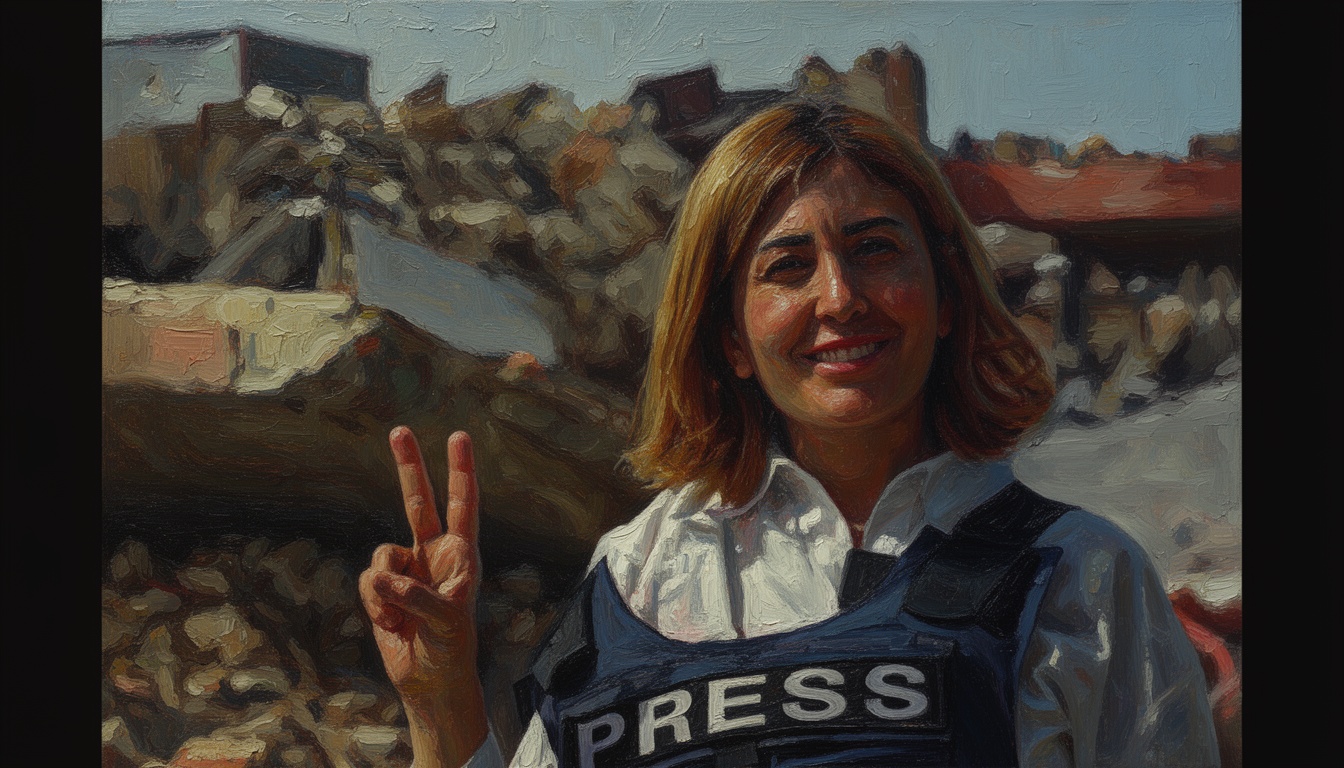
Lebanon leaders accuse Israel of war crime after journalist killed
Lebanese leaders accuse Israel of a war crime after an airstrike in the south kills Amal Khalil, a 42-year-old journalist for Al-Akhbar. Israel says it is reviewing the incident. The tragedy spotlights dangerous risks for journalists and regional disinformation during ongoing hostilities.
The Lebanese government and senior figures are publicly accusing Israel of a war crime after an airstrike in southern Lebanon killed Amal Khalil, a 42-year-old journalist working for Al-Akhbar. They demand accountability as rescue services confirm the death and mourn the loss of a prominent local reporter. The Israeli army says it is reviewing the incident, signaling an active inquiry into the strike’s target and the civilian toll. The case has rapidly become a flashpoint in the broader crisis that has stretched across the region for months.
Context matters: southern Lebanon has been a flashpoint since renewed clashes disrupted stability in the area. Beirut has repeatedly warned of escalation and of potential spillover into Lebanon’s civilian sector. The region remains tinder for miscalculation, with regional proxies, political factions, and international actors closely watching every air activity. Journalists in conflict zones face heightened danger, and this episode underscores that grim reality.
Strategically, the incident threatens to inflame cross-border tensions and complicate any ongoing diplomatic efforts to de-escalate. If claims of a war crime are proven, the Lebanese leadership could mobilize international legal mechanisms and escalate rhetoric against Israel. Conversely, Israel’s defense posture may intensify, aiming to deter further strikes while protecting aerial operations over contested frontiers. The incident highlights how media casualties feed into broader disinformation and crisis narratives that shape alliance dynamics.
Technical details reveal a high-risk operational environment: a southern Lebanon airspace under close surveillance, with both sides asserting precision in targeting. Amal Khalil had a long career reporting on political and security affairs for Al-Akhbar, making her death particularly poignant for observers of the conflict. The casualty raises questions about warning systems, civilian shielding, and the adequacy of protections for journalists covering volatile frontlines. Analysts expect continued investigations to surface competing narratives that could polarize regional opinion.
Forward assessment suggests a period of intensified diplomacy mixed with hardline rhetoric. International actors may press for a swift, transparent inquiry while Lebanese authorities seek to consolidate domestic legitimacy amid grief. The long-term impact could include tighter media access rules, heightened security for reporters, and renewed scrutiny of cross-border rules of engagement in hostilities.