Lebanon-Israel Ceasefire Extended by Three Weeks
The ceasefire between Israel and Lebanon is extended for three weeks. The White House confirms the agreement and hosting of ambassadors from both sides. Fighting persists as Hezbollah, excluded from talks, launches rockets and drones while Israeli forces continue operations in southern Lebanon.
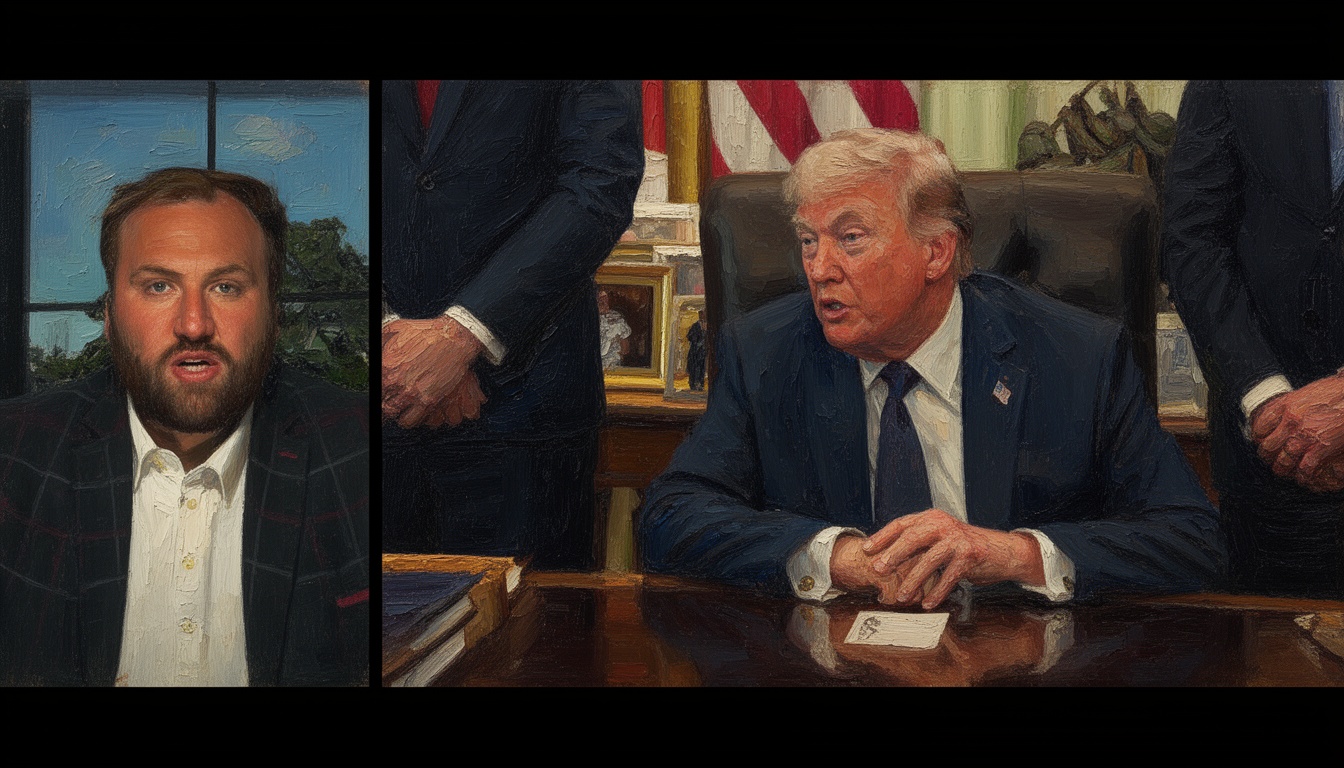
The ceasefire between Lebanon and Israel has been extended for three weeks, according to statements from the White House. The extension comes after discussions hosted at the U.S. executive residence with ambassadors from both countries present. Despite the pause, clashes continue as Hezbollah directs renewed rocket and drone activity from Lebanon, complicating the stability of the border region.
The background to this extension features a pattern of periodic escalations along the Lebanon-Israel frontier. Hezbollah's absence from the talks underscores the Islamist group’s reluctance to tie its hands to a formal agreement. Israel maintains pressure along the border, arguing that supplementary operations are necessary to degrade Hezbollah’s long-range capabilities and to deter future rounds of aggression.
Strategically, the three-week extension signals a tentative stabilization of the front while regional actors monitor for shifts in deterrence dynamics. Washington aims to prevent a broader collision that could pull in other regional powers. The arrangement also tests Beirut’s capacity to maintain regional governance and security interests amid external pressure.
Technical details indicate continued Israeli air and ground operations in southern Lebanon, paired with targeted strikes on Hezbollah infrastructure. The exact scope of the three-week Ceasefire Extension remains subject to on-the-ground assessments and diplomatic flanking efforts. Hezbollah’s rocket and drone activity, including new waves, suggests persistent attrition risk despite the pause.
Looking ahead, the risk of renewed full-scale hostilities remains high if either side perceives a breakdown in the ceasefire. regional powers will likely push for a longer-term framework that includes verification mechanisms and disarmament incentives. If the cycle of escalation resumes, Washington will be pressed to coordinate a broader deterrence posture across the Levant.