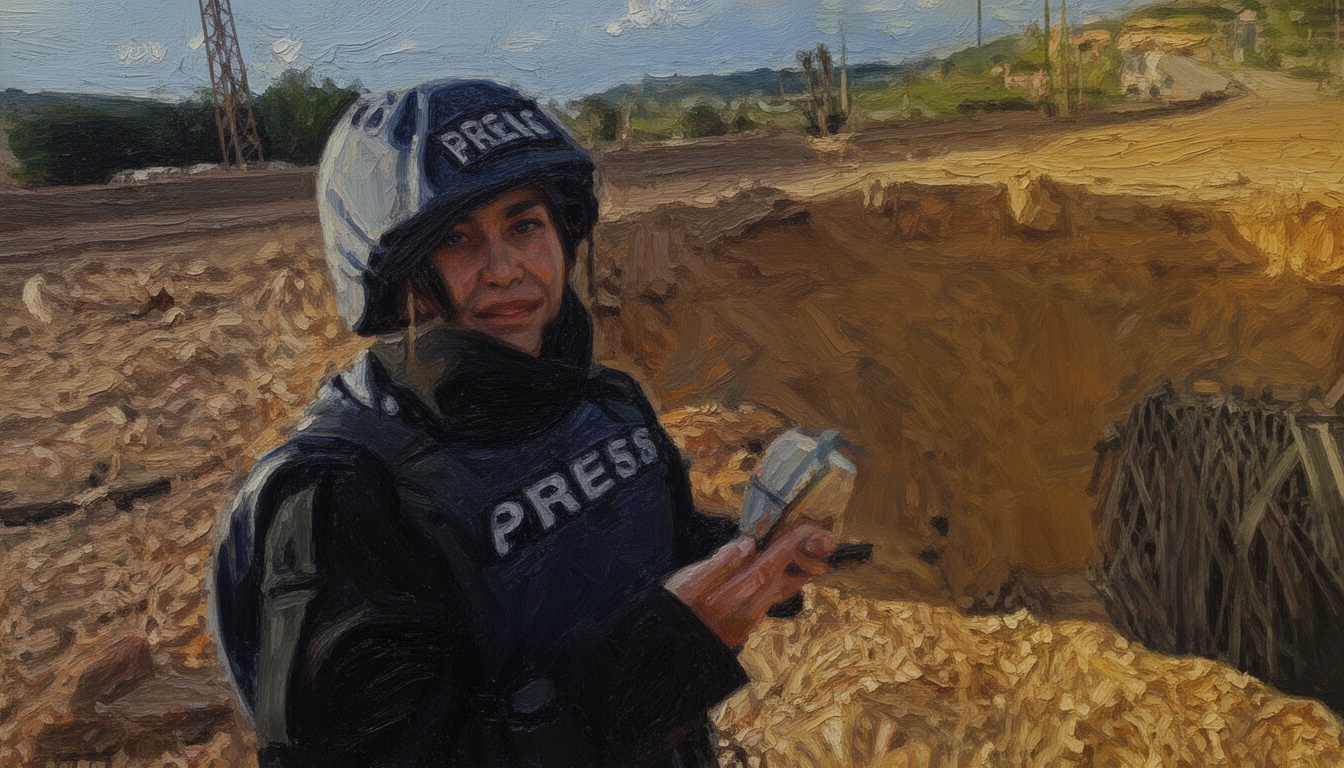
Lebanon accuses Israel of targeting journalist killed in airstrike
Lebanon's leadership charges Israel with war crimes after an airstrike killed a journalist. The clash unfolds as IDF strikes also hit Red Cross vehicles and hinder rescue workers from accessing the scene. The incident sharpens regional tensions and tests Beirut's diplomacy with Tel Aviv.
The Lebanese government flatly accuses Israel of targeting a journalist who was killed in an airstrike. The prime minister labeled the act a war crime and vowed accountability for what Beirut calls a deliberate strike. In parallel, Israel's military campaign faces new scrutiny over alleged attacks on humanitarian responders. Red Cross teams were reportedly blocked from reaching the site, compounding the crisis and raising questions about civilian protection in the current phase of the fighting.
Context matters: Lebanon has been seeking to deescalate a broader crisis that risks widening regional spillover. The journalist’s death arrives amid a spike in cross-border hostilities and rapid shifts in the frontlines, where both sides claim strategic gains and tactical audacity. Beirut’s government is pressing for international attention while maintaining a wary stance toward potential Israeli retaliatory moves. The international community watches closely for signs of a calculated escalation or a diplomatic breakthrough that could constrain the conflict.
Strategically, the event tests the deterrence calculus that has governed the Israel-Lebanon dynamic for years. The Lebanese leadership is signaling that violations of humanitarian norms will not go unanswered, seeking to mobilize regional and global opinion to constrain Israeli options. For Israel, the incident could be read as a reminder that civilian casualties and humanitarian disruption risk eroding international support or triggering a broader alliance response.
Technical and operational notes center on the alleged targets and the humanitarian response. The journalist’s death and the Red Cross vehicle strikes imply simultaneous pressures on media access, civilian evacuation corridors, and medical relief. Details on weapon types, coordinates, and the specific rescue impediments remain disputed, but the pattern underscores a potential shift in how the crisis is managed on the ground. Policymakers on all sides will weigh new verticals of risk—hurting civilians, straining diplomacy, and possibly broadening the conflict’s geographic footprint.
Looking ahead, the consequences are likely to include renewed calls for humanitarian corridors, intensified pressure on international bodies to demand adherence to humanitarian law, and potential shifts in Lebanon’s security posture. If the current trend persists, expect heightened diplomatic activity aimed at deconfliction and accountability. The risk of a broader regional crisis grows if either side misreads escalation signals or miscalculates the other’s red lines, potentially drawing in external actors and expanding the conflict’s scope.