Lebanon Accuses Israel of Plotting New Southern Occupation
Lebanon condemns Israeli strikes near Beirut airport and warns of a renewed southern occupation following death of three UN peacekeepers. Israel's defense minister confirms troop deployment plans, escalating regional tensions dramatically.
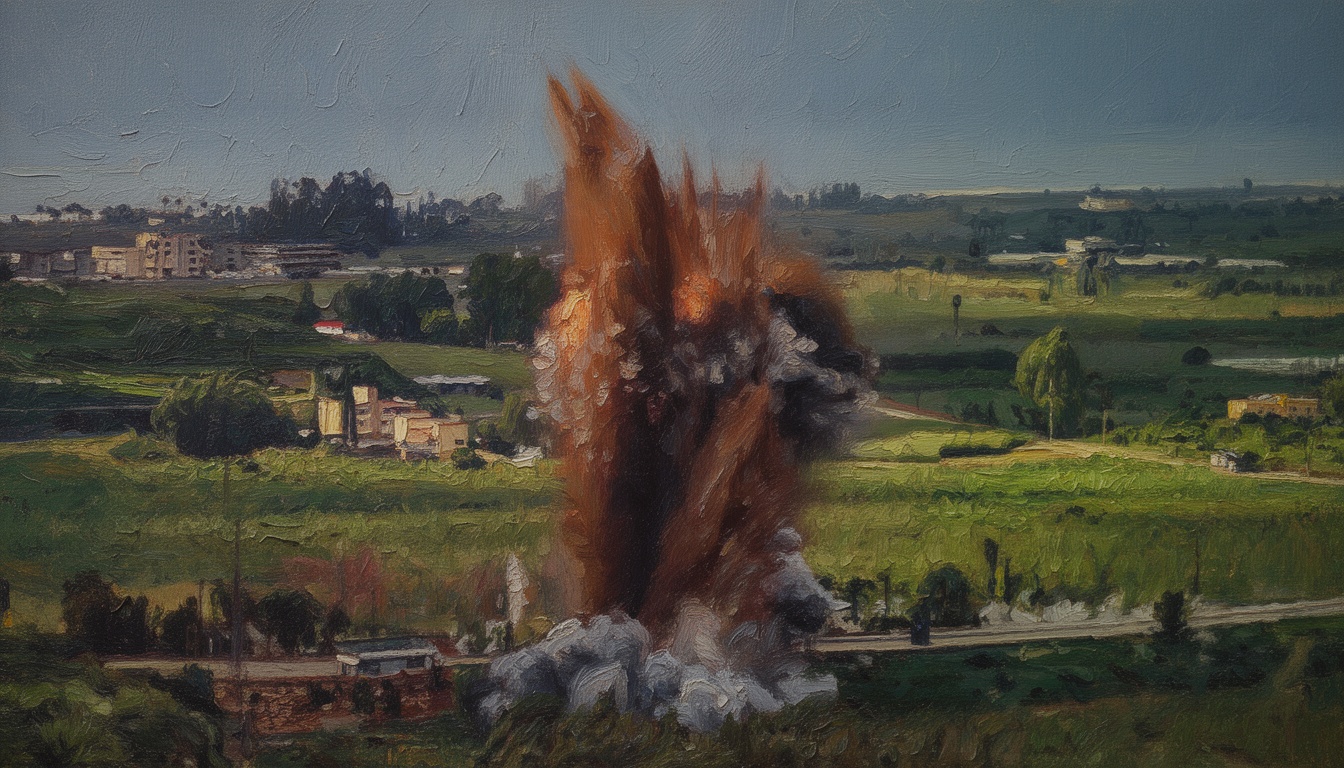
Lebanon condemned Israeli strikes near Beirut’s airport road on Tuesday as the UN Security Council convened after three UN peacekeepers were killed in southern Lebanon. Beirut accused Israel of a “clear intention” to impose a new occupation in the south after the war. Israeli Defence Minister Israel Katz openly declared plans to station troops in parts of southern Lebanon post-conflict, confirming fears of a substantial military foothold.
This intensifies the already volatile situation along the Israeli-Lebanese border which has seen repeated flare-ups since the 2006 war. The deaths of the UN peacekeepers, part of the UNIFIL force monitoring the ceasefire, underscore the fragile security environment. Lebanon insists the strikes and troop movements violate its sovereignty and international resolutions.
Strategically, Israel's push to occupy parts of southern Lebanon signals a major shift in its northern defense policy, aiming to establish a buffer zone and prevent armed groups like Hezbollah from regrouping. For Lebanon, this represents a serious challenge to territorial integrity and sovereignty, risking a wider military escalation in a region rife with volatility.
The Israeli Defence Minister’s statement reflects a larger tactic employing military occupation as leverage in the ongoing geopolitical struggle with Lebanon and its allies. The troop deployment likely involves specialized infantry and air support units equipped for counter-insurgency operations amid rugged terrain. The budgetary and logistical implications indicate a long-term commitment rather than temporary maneuvers.
The consequences could sharply destabilize southern Lebanon, provoke Hezbollah responses, and trigger broader regional conflict. The international community faces urgent pressure to enforce peace agreements and prevent further erosion of UN peacekeeping efforts. The unfolding crisis could reshape alliances and threaten fragile ceasefires in the Levant theatre.