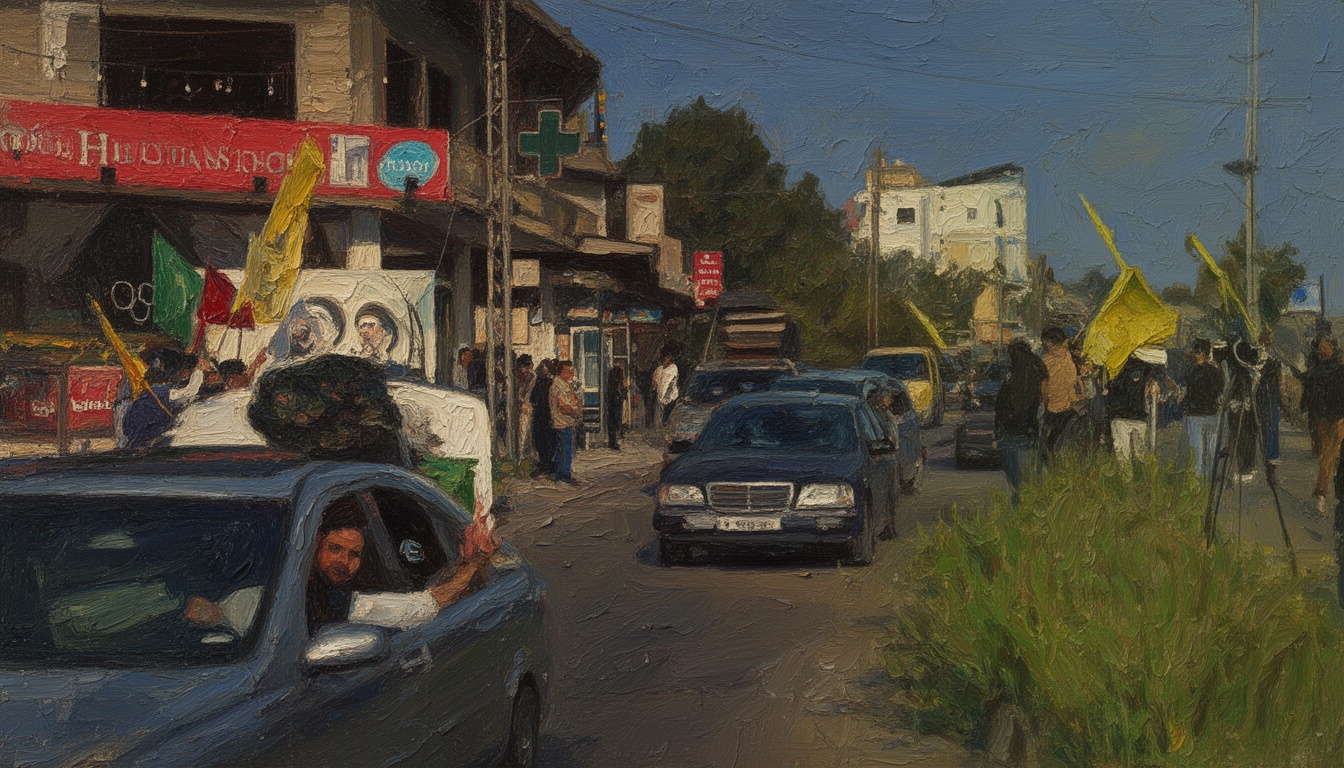
Lebanese Return to Southern Villages as Ceasefire Strains Persist
Fragile ceasefire with Israel frays as thousands of Lebanese reclaim homes in the south. The return movement tests border-area security, humanitarian patience, and political resolve. Authorities warn of fragility, while residents press ahead to rebuild lives inside their own country.
A thin line separates safety from exposure as thousands of residents return to southern Lebanon, reclaiming homes they fled years ago. Warning alerts about the fragility of the ceasefire with Israel echo through border towns, yet the sense of normalcy pulls families back to patched roofs and familiar streets. The dynamic is not simply about shelter; it is a test of local governance, resilience, and the capacity of communities to absorb another wave of displacement should tensions flare.
Background buffers the current movement with memory: repeated skirmishes along the border, sporadic exchanges of fire, and a political calculus that keeps the ceasefire fragile. For many, the decision to return hinges on whether security guarantees can hold long enough to restore routine life, schools, markets, and social networks that were eroded by years of bombardment. International commitments remain a backdrop, but the immediate decision is intimate and local, carried by families unpacking suitcases in yards that were scarred by past bombardments.
Strategically, the Lebanese south sits at the edge of broader regional tensions. A resurgent sense of normalcy in daily life could bolster the government's legitimacy and readiness to manage informal settlements and reconstruction, while also testing the credibility of deterrence along the border. The risk is a sudden escalation that could overwhelm local authorities and slip into wider volatility across frontlines. If the ceasefire frays again, the window for orderly return could snap shut with little warning.
Technical and operational particulars remain opaque to outsiders: displacement figures run in the thousands, and local authorities are juggling housing, water, electricity, and basic services while balancing security patrols and humanitarian aid. The cost of reconstruction is substantial, and funding streams for housing and infrastructure are stretched. Military and police deployments in the border zone are designed to deter flare-ups, but they cannot substitute for durable political settlement or wide-scale economic recovery that stabilizes communities long-term.
Consequences will unfold across political, humanitarian, and security spectrums. A successful return wave could reduce population pressures in camps and boost social cohesion, yet it also risks renewed cycles of displacement if violence re-ignites. Observers will watch for signs of durable calm, the velocity of reconstruction, and the resilience of civil institutions under the weight of renewed border tensions.