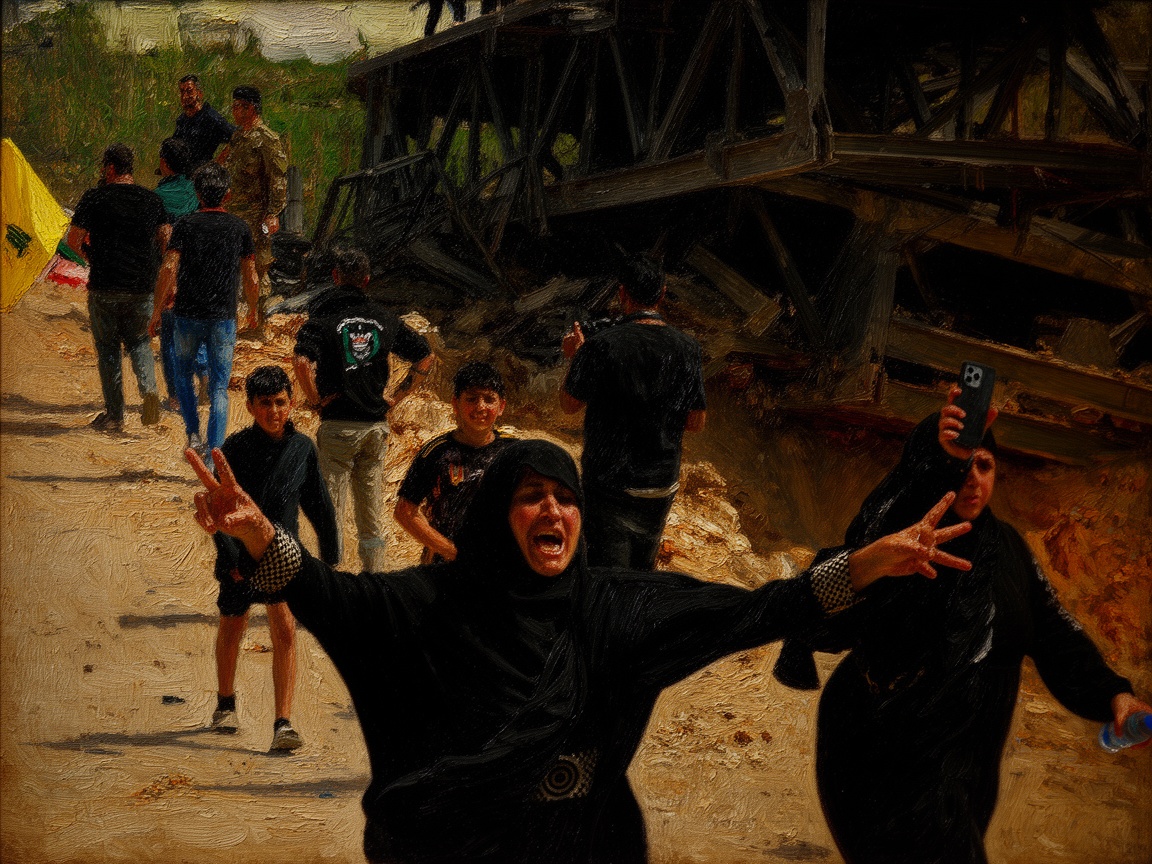
Lebanese return to devastated south as fragile 10-day truce takes hold
A tenuous 10-day ceasefire stabilizes southern Lebanon as civilians return to damaged towns. Hezbollah asserts a hard line, warning of a trigger if Israel violates the agreement. The pause shifts risk to political calculus and regional diplomacy, with both sides watching for violations and potential escalation.
The 10-day ceasefire in southern Lebanon appears to be taking hold as residents return to towns left in ruins by weeks of fighting. Observers report reduced shelling and fewer air activity, but the environment remains tense with a palpable sense of fragility. The breakout of calm is framed by a history of recurring violations and the lure of renewed clashes if either side misreads a violation.
Background tensions in the region have long hinged on Hezbollah's deterrent posture and Israel's security calculations along the border. Previous truces have collapsed quickly under disputed incidents, and both sides maintain a readiness posture that discourages any complacency. The current pause comes amid international diplomatic efforts to prevent a wider conflagration and to enable humanitarian relief corridors.
Strategically, the lull buys time for cross-border diplomacy and domestic political maneuvering in Beirut and Jerusalem. It also constrains Hezbollah's tactical options, forcing the group to balance its rhetoric with restraint to avoid triggering a broader confrontation. The stakes remain high for regional actors who rely on the stability of the Lebanon-Israel front to focus on other flashpoints in the Levant and the wider Middle East.
Operationally, the ceasefire rests on specific disengagement provisions and monitored patterns of movement along the border. Forces on the ground include Lebanese Armed Forces, UNIFIL, and selective deployments of Israeli defense troops in proximity to the Blue Line. The terms emphasize de-escalation, with encroachments and cross-border fire to be investigated promptly by observers.
Looking forward, the risk of a relapse remains elevated. A single miscalculation—whether an airstrike misperception, a border incident, or an opportunistic attack—could unravel the pause and rekindle broader hostilities. External powers will continue pressuring both sides to maintain discipline while attempting to craft a durable settlement that limits Hezbollah’s deterrence while addressing Lebanese civilian needs.