Lebanese Government Fails to Control Hezbollah During Israeli Bombardment
The Lebanese state showcases its inability to confront Hezbollah amid escalating Israeli airstrikes. This crisis exposes Lebanon's fractured governance and the growing threat posed by armed militia groups.
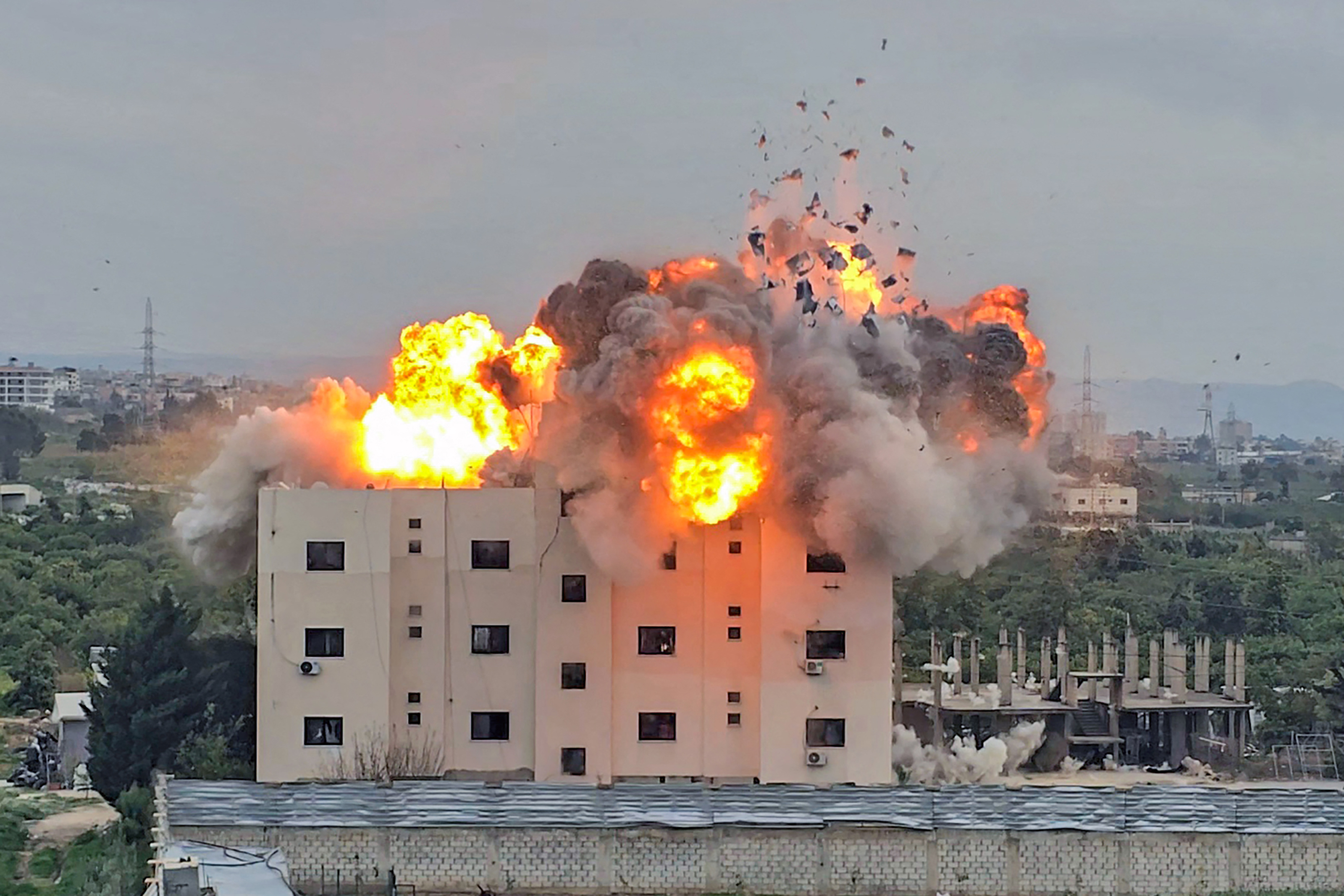
Israeli airstrikes have intensified against Hezbollah positions in southern Lebanon, raising alarms over the Lebanese government's inability to maintain control over its territory. Analysts indicate that the Lebanese Armed Forces (LAF) are hamstrung in their ability to conduct operations against Hezbollah's arsenal during this bombardment. The current situation exposes not only the immediate danger posed to civilians but also the broader implications for Lebanon’s political stability.
The tensions between Israel and Hezbollah trace back to decades of conflict, with the group bolstered by Iranian sponsorship and deeply embedded within Lebanese society. The 2006 Lebanon War and subsequent skirmishes have entrenched Hezbollah as a significant power broker within Lebanon, often operating independently of the Beirut government. The current bombardment by Israel stems from ongoing provocations and skirmishes along the Israel-Lebanon border, as well as Hezbollah's support for militant activities in the region.
This situation is dire as it highlights the strategic vulnerability of Lebanon amid external aggression and internal disunity. The inability of the Lebanese state to exert authority raises questions about regional stability, especially as tensions escalate. A weakened Lebanon could serve as a launchpad for further conflict between Israel and Hezbollah, destabilizing other neighboring countries like Syria and drawing in global powers with vested interests.
Hezbollah's continued military strength is buoyed by its popular support base and extensive network of military resources, including a reported arsenal of over 100,000 rockets and missiles. Israel's precision strikes aim to degrade Hezbollah's capabilities, but analysts argue that these airstrikes may not significantly alter the group's operational resilience. The financial backing from Iran, estimated at hundreds of millions annually, ensures Hezbollah's survival and capability to retaliate.
As the Israeli bombardment persists, Lebanon faces potential civil unrest, especially as civilians bear the brunt of airstrikes and military conflicts. Hezbollah may capitalize on this unrest to consolidate its power, further undermining the Lebanese government's authority. Escalation vectors include increased cross-border attacks, potential Israeli ground incursions, and the growing risk of conflicts spreading to other regions in the Middle East.
Historical precedents suggest Lebanon's fragile state governance often results in severe internal strife during periods of crisis, such as during the 1975-1990 Civil War. Hezbollah's armed presence has made it an inseparable part of Lebanon's political landscape, complicating the ability to unify against external threats. This dynamic forces the Lebanese government into a precarious position, struggling to exert control and garner public support.
Moving forward, key indicators to monitor include Hezbollah's military response to Israeli airstrikes, any shifts in regional alliances, as well as the international community's reactions. Close attention should be paid to Hezbollah's operations and any potential engagements that could increase tensions with Israel. The volatile situation in Lebanon will remain a pivotal flashpoint in the broader Israeli-Iranian rivalry and could have far-reaching implications for regional stability.