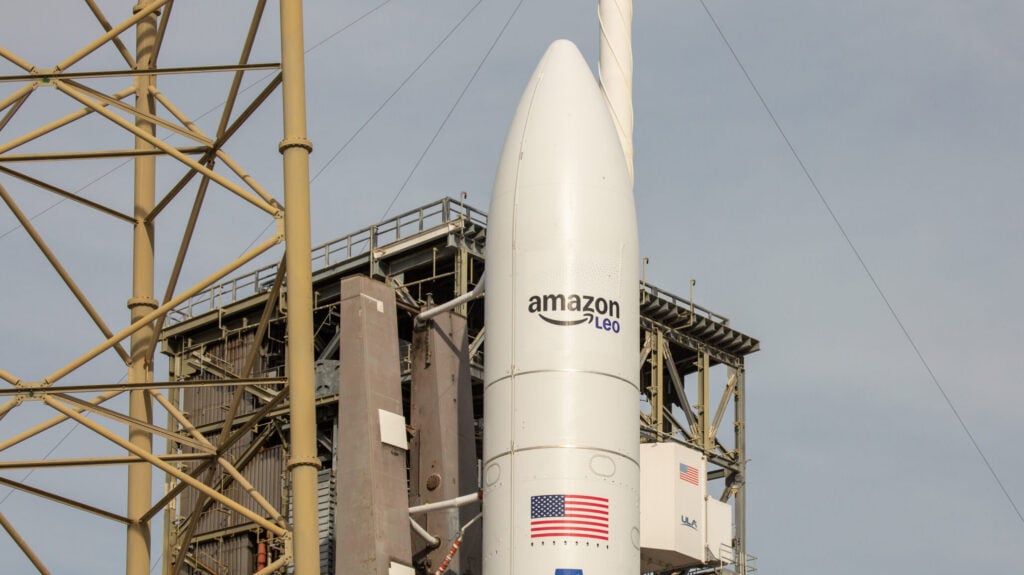
Leadership Crisis at Amazon Defense Division as Freeman Departs
Ricky Freeman's departure from Amazon's Leo Government signals instability in the tech giant's defense strategy. This shift raises concerns over Amazon's commitment to the defense sector amid global security challenges.
Ricky Freeman has abruptly exited his position as head of Amazon's Leo Government division, a move that has sent shockwaves through the defense tech community. Freeman, who joined Amazon in 2023 to spearhead the company’s efforts to penetrate the defense market, is now leaving just as the industry grapples with intensified competition and heightened demands from military clients.
The Leo Government division was established as part of Amazon's broader initiative to bolster its presence in the defense sector, responding to a growing need for advanced technological solutions in military operations. However, Freeman’s tenure was marked by challenges, including integrating Amazon's extensive cloud services into government operations and navigating complex regulatory landscapes. His departure raises questions about the stability and direction of the division under pressure from established defense contractors and emerging tech competitors.
The significance of Freeman's exit cannot be understated. Amazon has positioned itself as a potential disruptor in the defense sector, but leadership changes could derail critical projects and partnerships. The defense industry is facing unprecedented challenges, marked by Russia's invasion of Ukraine and rising tensions in the Indo-Pacific, heightening the demand for reliable defense solutions. Amazon's ability to respond effectively is now in jeopardy, potentially jeopardizing national security initiatives.
Key actors in this drama include Amazon's leadership, which must reassess its strategy moving forward, and defense agencies reliant on robust partnerships with tech companies. The decision to focus on defense reflected Amazon's ambition to diversify its portfolio, but internal instability could drive away potential government contracts and partnerships. The industry is watching closely to see who will fill Freeman's shoes and restore confidence in Amazon’s defense aspirations.
Operationally, Amazon's Leo Government was expected to leverage the company's cloud computing prowess, particularly the AWS platform, to provide secure, scalable solutions for defense applications. With defense budgets under pressure, the effectiveness of this division hinges on innovative technology and rapid implementation, critical in a landscape where adversaries are constantly evolving their strategies.
The likely consequences of this leadership crisis include a slowdown in project delivery, potential loss of contracts, and an opening for competitors like Microsoft and Palantir to increase their market share. Furthermore, important contracts with defense departments may be at risk of reassessment, as uncertainty clouds Amazon's reliability as a defense partner.
This situation has historical parallels with other tech giants attempting to enter the defense arena, such as Google's departure from Project Maven due to internal dissent and public backlash. Each misstep creates deeper divides between tech and defense sectors, complicating future engagements amidst a highly charged geopolitical landscape.
In the immediate future, stakeholders will be watching for Amazon’s next moves—specifically, its choice of a successor and any adjustments in strategic direction. Intelligence indicators to monitor will include staffing announcements, shifts in project timelines, and engagement levels with defense contracts as the company seeks to reassure its clients about its commitment to the defense market.