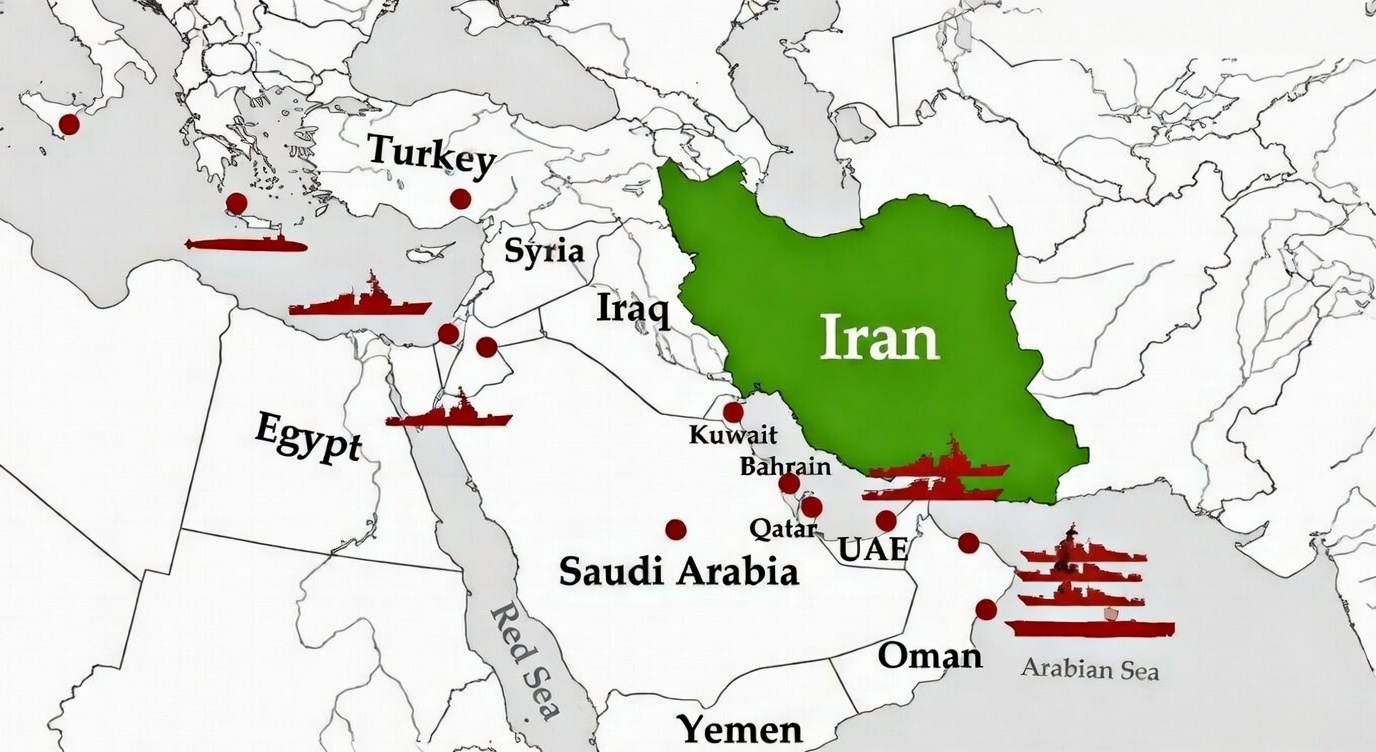
Largest U.S. Military Mobilization Since 2003 Iraq War Raises Iran Conflict Concerns
The United States has initiated its largest military mobilization since the 2003 Iraq invasion, signaling potential escalations in tensions with Iran. This significant troop deployment could alter the strategic landscape of the Middle East and escalate ongoing hostilities.
The United States has begun its largest military mobilization since the 2003 Iraq War, involving thousands of troops and equipment being repositioned to confront perceived threats from Iran. This deployment includes infantry brigades, armored divisions, and naval resources, totaling an estimated 20,000 personnel, with support units being prepared for rapid deployment should the situation deteriorate further.
This mobilization is strategically significant as it highlights the U.S. commitment to maintaining dominance in the Gulf region and deterring Iranian aggression. Iran's recent activities, including missile tests and naval maneuvers, have heightened tensions. The mobilization serves as both a show of force and a warning, signaling to both allies and adversaries that the U.S. is prepared to intervene if necessary.
Key players in this situation include the U.S., Iran, and regional allies such as Israel and Saudi Arabia. The U.S. government, under President Trump, appears poised to escalate military pressure on Iran, potentially viewing this mobilization as a necessary deterrent against Tehran's expanding influence and nuclear ambitions. Iran, in turn, has vowed to retaliate against any U.S. military actions, framing itself as a regional counterweight to U.S. power.
The regional implications of this mobilization could be profound, potentially igniting further conflict in an already volatile area. A heightened U.S. military presence could lead to confrontations with Iranian forces or their proxies, risking a broader conflict that could draw in multiple regional actors. The situation merits close monitoring as the potential for miscalculations increases in such charged environments.
Historically, U.S. military mobilizations have often precedented significant military engagements, suggesting that this current action could foreshadow a larger operation against Iranian assets and influence in the region. The outcome of the mobilization will depend on how each party responds in the coming weeks.
Analysts are closely watching the situation, as any missteps could lead to a rapid escalation in hostilities. The international community remains divided on U.S. actions, with many countries calling for diplomatic resolutions rather than military confrontation. The effectiveness of this mobilization in achieving its stated objectives without conflict will be critical going forward.