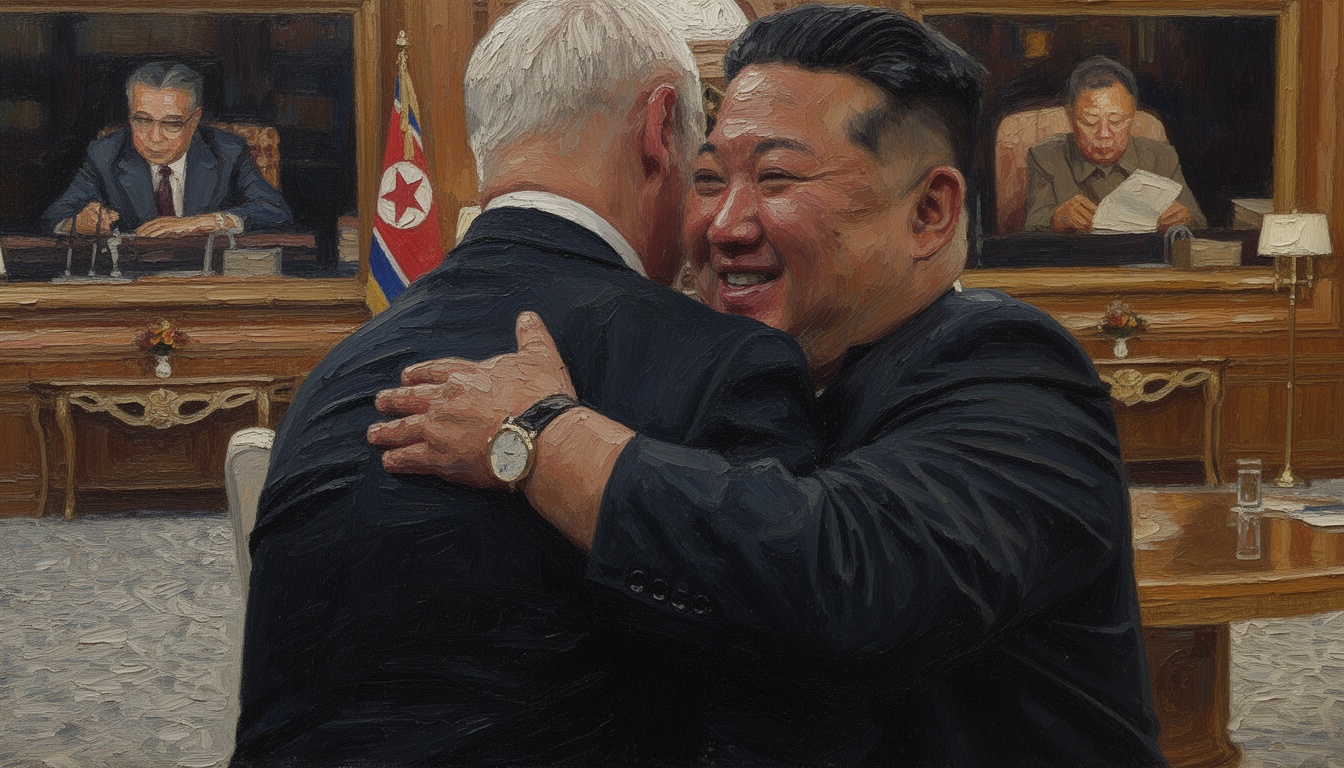
Kim Vows NK Support for Russia at Memorial
North Korea’s leader publicly pledges continued backing for Moscow as a Russian defence minister attends a ceremony for North Korean troops who fought in Russia. The meeting underscores the elevated security and political alignment between Pyongyang and Moscow amid ongoing war-related tensions. The event signals a sustained axis that could influence regional stability and proxy dynamics in Europe and Northeast Asia.
Kim Jong-un publicly pledged continued support for Russia's policies during a memorial ceremony for fallen North Korean troops who fought in Russia's Kursk region, according to state media. He also discussed the broader international political situation with Russia's defence minister, signaling a high-level alignment between the two states. A Russian delegation led by the defence minister attended the completion ceremony for the memorial, underscoring formal ties and mutual messaging between Moscow and Pyongyang.
The ceremony took place amid a backdrop of ongoing war-related tensions and a rapidly shifting security landscape in Europe and Eurasia. The Kursk memorial commemorates North Korean soldiers killed during operations in the region, tying Pyongyang’s combat involvement to Moscow’s current military campaigns. The visit by a Russian defence official reinforces joint narratives of solidarity and shared strategic interests in countering perceived Western pressure.
Strategically, the public vow of support from Pyongyang to Moscow reinforces a rare tripartite dynamic: North Korea, Russia, and regional actors watching closely for shifts in alliance structures. This alignment could affect North Korea's diplomatic calculus, signaling a willingness to leverage defense diplomacy and logistical support to sustain Russia's war effort. It also raises questions about energy, sanctions circumvention, and arms-related cooperation within the broader security ecosystem surrounding the conflict.
From a technical standpoint, the involvement of a high-level Russian defence official at a North Korean memorial indicates ongoing channels for strategic dialogue and potentially future cooperation. While concrete weapon system transfers or operational commitments were not detailed in the formal reports, the meeting likely touched on shared assessments of war aims, deterrence postures, and regional power balancing. The display of unity at the memorial could presage coordinated messaging in international forums and bilateral exchanges around security guarantees or sanctions responses.
Looking ahead, the NK-Russia axis could influence the calculus of third-party actors in Europe and Asia, affecting deterrence postures and alliance dynamics in the region. Pyongyang’s willingness to publicly back Moscow may complicate Western diplomatic efforts and sanctions regimes, while Moscow gains a more secure political front in its war effort. The net effect could be a more entrenched security dilemma, with greater incentives for adversaries to bolster defense and alliance networks in response.