Key Iranian Assassination Architect of Trump Dead; Threats Remain
The death of an Iranian operative linked to a plot against former President Trump underscores ongoing threats from Iran's extraterritorial actions. This incident reveals both internal Iranian vulnerabilities and a continued willingness to target high-profile international figures.
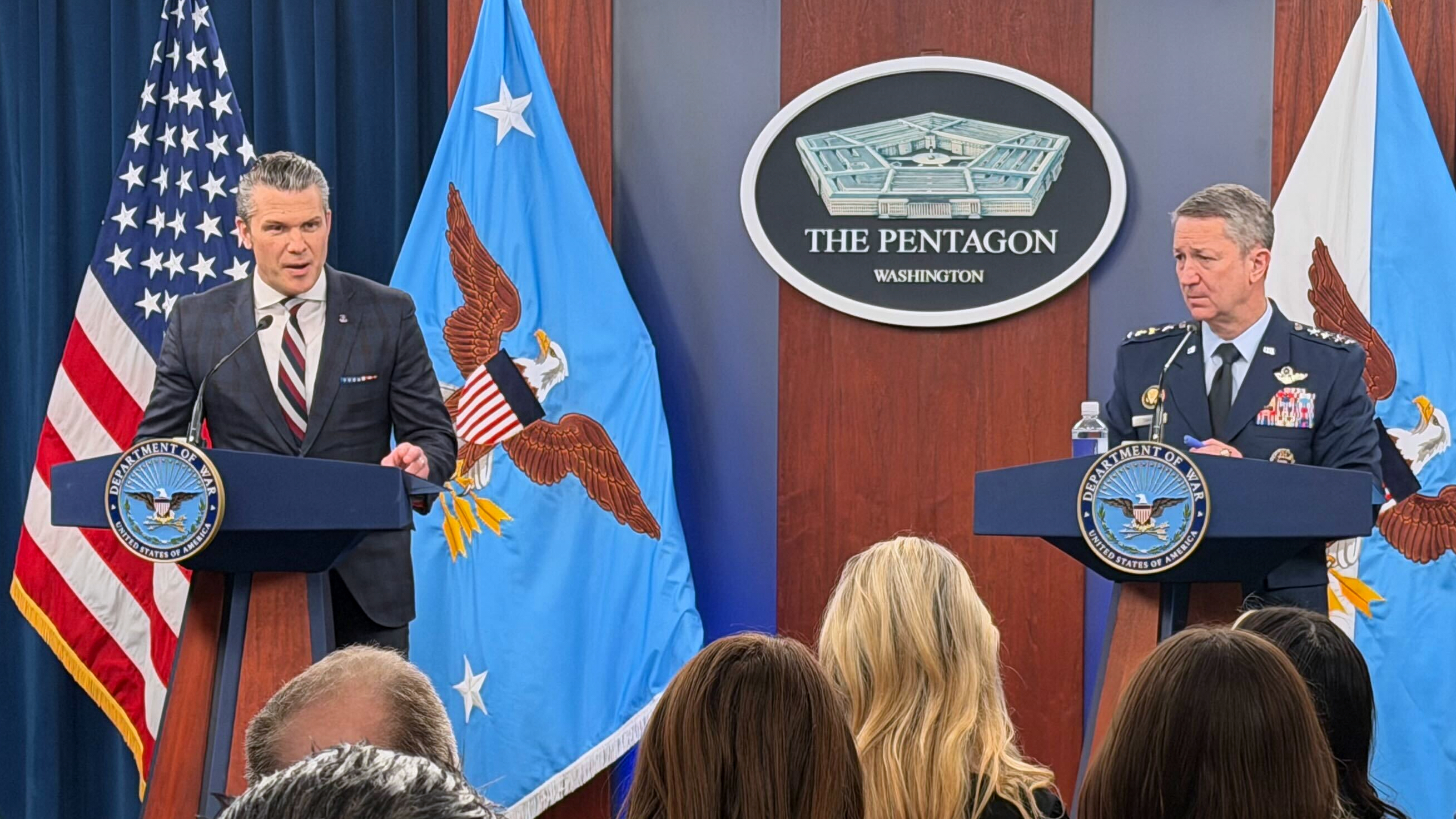
A high-ranking Iranian military operative believed to be the architect of a foiled assassination plot against former President Donald Trump has reportedly died. Defense Secretary Pete Hegseth announced this development, calling it a significant victory for U.S. intelligence efforts in countering Iranian threats. This situation raises serious concerns about Iran's continuing animosity toward U.S. officials, even after the conclusion of Trump's presidency.
The assassination plot, which purportedly originated from Iran's Islamic Revolutionary Guard Corps (IRGC), was linked to an attempt to avenge the killing of Qassem Soleimani, a powerful Iranian general slain by a U.S. drone strike in January 2020. Tensions have been high between the U.S. and Iran since that incident, with both nations engaging in a series of proxy confrontations and hostile rhetoric. While the immediate threat may have diminished with this operative's death, Iran's broader strategy of targeting U.S. figures remains active and alarming.
This incident is significant not only for its immediate implications but also for its reflection of Iran's persistent regional ambitions and asymmetric warfare strategies. The willingness of Iranian operatives to orchestrate plots on foreign soil showcases an inherent vulnerability within the international security framework and places U.S. and allied interests at heightened risk. Furthermore, this may embolden Iranian elements to pursue alternative, potentially more reckless strategies following the loss of key personnel.
Key actors in this unfolding reality include not only Iranian state officials but also shadowy proxies and militias across the Middle East, who may feel empowered to act in similar ways. The IRGC's deep-rooted ideology promotes revenge and a robust response to perceived offenses against Iran's sovereignty, likely setting the stage for further escalations. The loss may trigger factions within Iran to accelerate their anti-U.S. operations as a means of retaliation or to assert authority domestically.
From an operational perspective, details surrounding the assassination plot suggest an advanced level of planning and commitment to striking high-value targets. The IRGC, which reportedly allocated several resources for this operation, likely spent millions in intelligence-gathering and operational preparations. The targeting of a former U.S. president signifies an unprecedented escalation, where even retired leaders are not beyond the reach of Iranian vengeance.
The consequences of this development could be far-reaching, especially if Iran perceives this loss as a crippling blow. Potential escalations could manifest in increased cyber activities, further regional destabilization, or proxy confrontations across hotspots like Iraq or Syria. The remaining Iranian operatives may intensify their efforts to avenge their fallen comrades, leading to greater risks for U.S. forces stationed in the region.
Historically, unsuccessful assassination attempts — particularly those attributed to Iran — often lead to retaliatory cycles that exacerbate tensions further. Recall the 2011 plot to kill the Saudi ambassador in Washington, which resulted in a flurry of diplomatic sanctions and heightened military readiness. Such precedents raise alarm that Iran might attempt to leverage new tactics while side-stepping traditional military engagements.
As intelligence efforts continue, key indicators to monitor include movements of Iranian operatives in the region, changes in IRGC leadership, and announcements of heightened security measures around U.S. assets worldwide. Diplomatic exchanges and military readiness will be crucial as the potential for retaliation remains high. Continuous assessment of Iranian rhetoric in response to this death will provide insights into their strategic calculations moving forward.