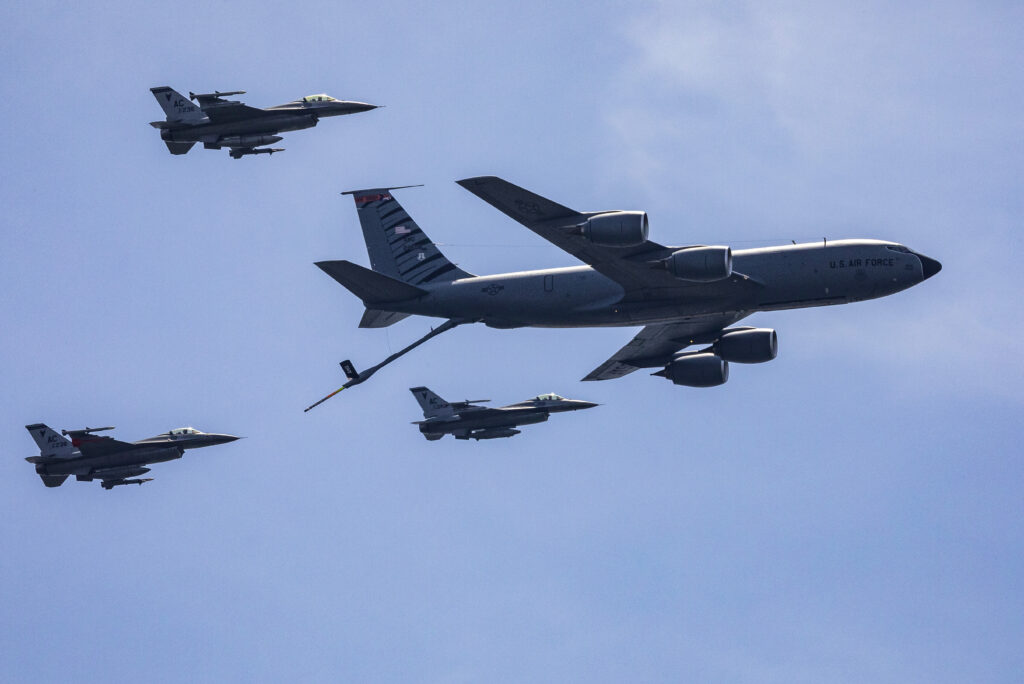
KC-135 Tanker Crash in Iraq Raises Operation Epic Fury Risks
The crash of a KC-135 tanker during Operation Epic Fury highlights severe operational hazards in Iraq and raises questions about mission safety protocols amid heightened operational tempo. Central Command’s claims ignore the growing tensions and risks posed by escalating conflicts in the region.
A KC-135 Stratotanker has crashed in Iraq during Operation Epic Fury, raising alarms over operational safety in an increasingly volatile environment. CENTCOM has stated that the incident was not caused by hostile or friendly fire, but the circumstances surrounding this crash remain murky and alarming as the Iraq theater intensifies.
The KC-135 Stratotanker, a pivotal component of U.S. aerial refueling capabilities, has served in various combat roles since the 1950s. Operation Epic Fury has been underway in response to the rising threats from both ISIS remnants and regional militia groups vying for power. The KC-135's crash illustrates the challenges and dangers inherent in conducting air operations amid such chaos, reigniting concerns about the effectiveness of U.S. operational strategies in the region.
This incident is significant as it underscores a potential lapse in operational oversight, especially considering the strategic importance of air refueling assets in current conflicts. The loss of a KC-135 could limit the reach and effectiveness of U.S. air operations, a critical factor as tensions with Iran-backed forces continue to rise. Moreover, it reflects the broader risks involved in U.S. military operations where hostile fire is not the only danger; mechanical failures and inadequate logistics are also significant threats.
Key actors in this situation include the United States, which has committed resources to stabilize Iraq, and various non-state actors like Iran-aligned militias that have escalated their activities against U.S. forces. The U.S. military's operational decisions might also be scrutinized, as they could portray an underestimation of threats posed by Iranian proxies, which are using asymmetric tactics against American interests.
Technical assessments of the KC-135 reveal that it requires robust maintenance, and its operational readiness is closely tied to the support infrastructure in place. The recent rapid operational tempo of Epic Fury—with air sorties potentially exceeding 300 in a month—could lead to increased wear and tear, presenting additional risks of major accidents like this crash. If investigations reveal underlying maintenance issues, the U.S. could face not only a tactical setback but also questions regarding operational sustainability.
The likely consequences of this incident could lead to heightened scrutiny of operational protocols and an urgent review of aircraft maintenance standards in the region. As U.S. operations expand, the stresses on air assets will only increase, potentially leading to further incidents. Moreover, this crash may embolden adversaries who might perceive it as a weakness in U.S. military capabilities.
Historical parallels can be drawn to previous conflicts where aircraft mishaps have triggered larger strategic recalibrations. For example, during the Vietnam War, helicopter crashes due to maintenance failures led to changes in operational tactics and a renewed focus on logistics, emphasizing the need for robust support frameworks.
Moving forward, intelligence analysts should closely monitor U.S. operational deployments in Iraq and the status of aircraft maintenance practices. Observers should also watch for increased rhetoric or actions from Iran-aligned militias, potentially escalating the conflict in response to perceived vulnerabilities shown by U.S. military operations, which may incite further clashes or crises in the region.