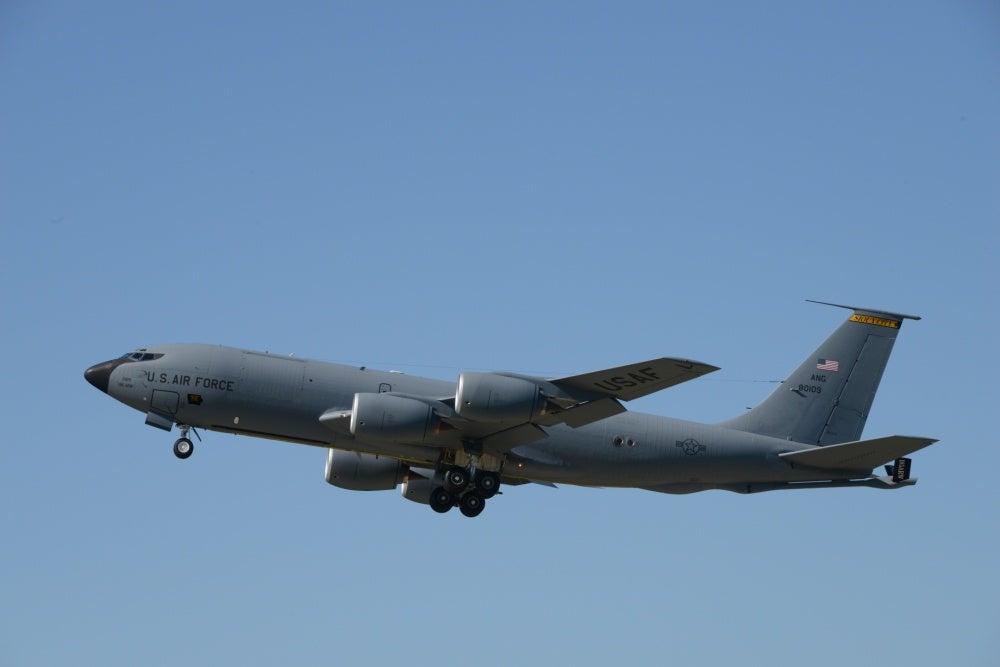
KC-135 Stratotanker Crash in Iraq Leaves Four Dead, Two Missing
The crash of a KC-135 Stratotanker over Iraq signals serious operational risks for U.S. forces. With four confirmed casualties and two crew members unaccounted for, the incident raises significant concerns regarding aerial safety in a volatile region.
A U.S. Air Force KC-135 Stratotanker crashed over Iraq on March 12, resulting in the confirmed deaths of four crew members, while two others remain missing. This incident underscores the perilous operational environment faced by U.S. military assets operating in the region. The cause of the crash is still under investigation, but the significance of the loss resonates deeply given the aircraft's critical role in supporting coalition forces through aerial refueling.
The KC-135 has been a backbone of the U.S. Air Force since its introduction in the 1950s, allowing for extended operations by enabling aircraft to refuel in-flight—a capability that significantly enhances combat readiness. This particular crash follows a troubling pattern of incidents involving U.S. military aircraft in conflict zones, raising alarms about the effectiveness of current operational safety protocols amidst ongoing military engagements. The strategic implications stretch beyond the loss of personnel as it raises questions about air superiority and mission success in Iraq, where U.S. forces remain engaged against various threats.
The loss of a KC-135 Stratotanker could impact U.S. air operations and deter allied missions, particularly in a region marked by Iranian influence and the presence of various militia groups. Such incidents can embolden adversarial forces, potentially escalating hostility against U.S. bases and missions in Iraq and the greater Middle East. Furthermore, the deaths of personnel heighten the specter of retaliation or reinforcement of anti-U.S. sentiments in the local populace, significantly complicating the geopolitical landscape.
Key actors in this incident include the U.S. Air Force, which faces increasing scrutiny over operational safety and strategy in hostile territories, and regional adversaries keenly observing the vulnerabilities exposed by such tragedies. The U.S. military's broad mission in Iraq, focusing on training, advising, and supporting Iraqi security forces, is now further complicated by the need to reassess aerial operations, risk management, and crew safety measures following this crash.
The KC-135 Stratotanker is capable of refueling a range of aircraft, including fighter jets and bombers, enhancing the operational scope and reach of U.S. air power. With budgets for refueling operations increasing to accommodate modern warfare demands, this crash may trigger reviews of existing safety standards and operational readiness levels. The U.S. military operates approximately 396 KC-135s, but the loss of any unit can strain an already challenged logistics network in combat zones.
In terms of potential consequences, this crash could lead to an actionable review of U.S. military presence in Iraq, prompting discussions on resource allocation, operational readiness, and safety protocols. It may also trigger further escalation if any accountability measures are perceived as insufficient, sparking public outrage or increased recruitment for anti-U.S. factions.
Historically, aerial mishaps have significantly influenced military strategies, often leading to increased security and procedural changes. The loss of aircraft during the Vietnam War, for instance, spurred the development of more stringent safety regulations and operational guidelines that aimed to mitigate risks in contested environments. This latest incident may serve as a turning point for operational tactics and safety assessments in the U.S. military.
Moving forward, intelligence analysts should monitor official investigation updates, potential operational adjustments made by the U.S. military, and the regional response from both adversaries and allies. Key indicators of U.S. operational changes will include altered flight paths, adjustments in the number of air sorties in the region, and any shifts in public sentiment toward U.S. interventions in Iraq. The international defense community will be closely watching as the investigation unfolds, affecting diplomatic and military strategies in the region.