KC-135 Crash Kills Six in Iraq; USAF Stalls KC-46 Orders Over Failures
A tragic crash highlights critical flaws in U.S. aerial refueling capabilities. The U.S. Air Force's delay in ordering KC-46 tankers underscores systemic issues that threaten operational readiness.
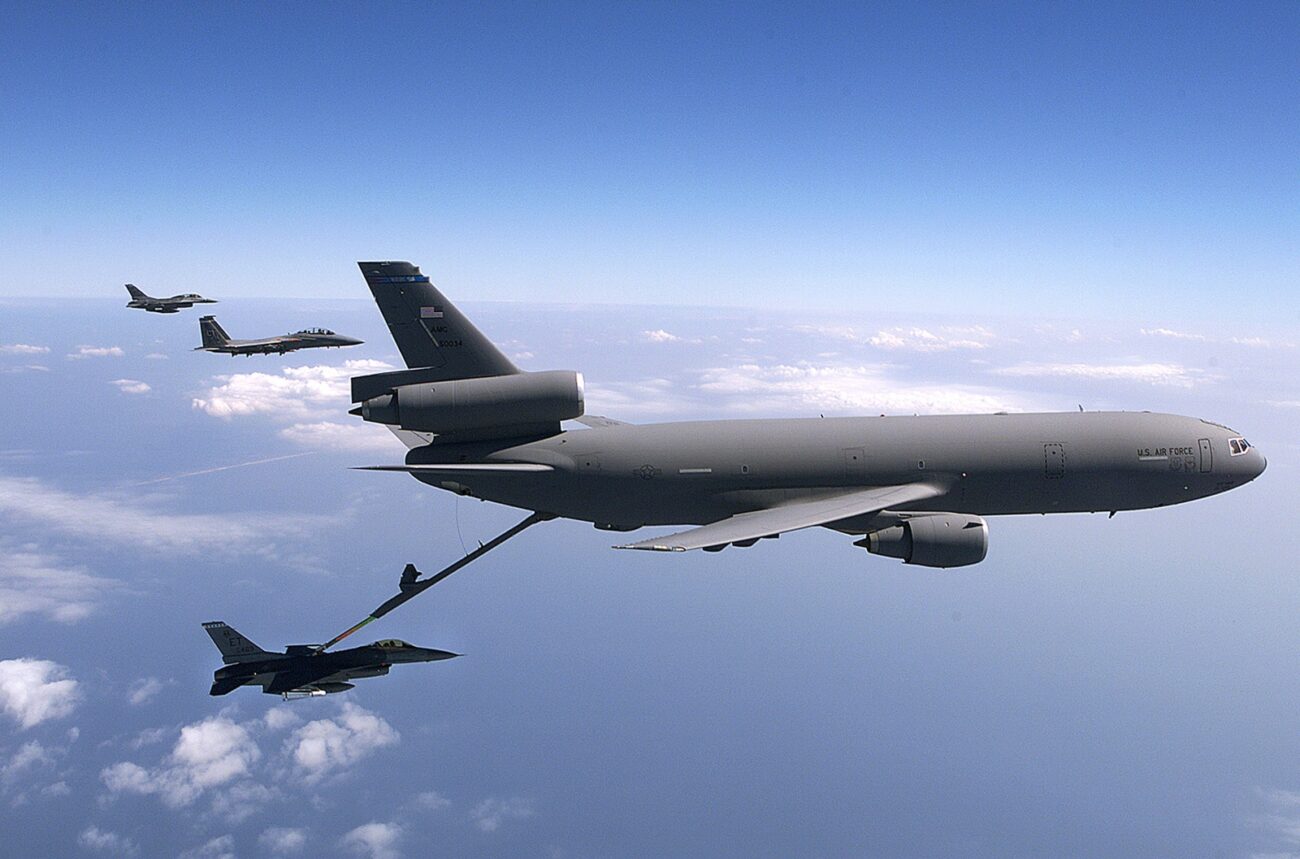
A KC-135 Stratotanker crashed in western Iraq on March 12, killing all six crew members on board. This catastrophic incident occurred just a week after senior officials in the U.S. Air Force (USAF) issued a stark warning: no new orders for the troubled KC-46 Pegasus refueling tanker will be placed until Boeing rectifies persistent technical issues. The simultaneous timing of the crash and the warning raises serious concerns about operational readiness and potential gaps in U.S. aerial refueling capabilities.
The KC-135 has been a mainstay of U.S. aerial refueling operations since the 1950s, but its aging fleet is increasingly under pressure to support modern warfare demands. The KC-46 Pegasus, designed to replace the KC-135, has faced numerous delays and setbacks due to design flaws and malfunctioning systems. With the ongoing conflicts in the Middle East and increasing aerial operations, the need for a reliable refueling platform has never been more critical. The USAF’s decision to halt orders for the KC-46 underscores a worrying trend of reliance on outdated technology to carry out modern missions.
The significance of this incident cannot be overstated. The crash exposes vulnerabilities within the U.S. Air Force’s aerial refueling capabilities at a time when mission success heavily relies on uninterrupted air support. Without sufficient operational tankers, U.S. and coalition forces may find themselves constrained in conducting prolonged air campaigns, potentially affecting overall military effectiveness in the region. This incident serves as a stark reminder of the broader implications of equipment deficiencies on military operations.
Key actors within the situation include the USAF, Boeing, and military leadership who are now under intense scrutiny. The USAF's central motivation is to maintain effective refueling operations, which are crucial for air superiority across multiple theaters of conflict. Meanwhile, Boeing faces mounting pressure to expedite repairs and upgrades to the KC-46 to win back trust and mitigate contractual losses. In this instance, the failure to deliver on promises for a next-generation tanker weighs heavily on both parties.
Operationally, the KC-135 is a jet-powered aircraft capable of refueling others in-flight with a maximum fuel capacity of 200,000 pounds. The KC-46, a modification of the Boeing 767, has also been designed to carry 200,000 pounds of fuel and promises advanced technology and capabilities. However, ongoing issues with the KC-46—such as faulty systems and inadequate technology—mean that any new orders or deployments are effectively stalled, leaving the current fleet under considerable strain.
The fallout from this incident could lead to significant operational consequences. Without an immediate solution, the U.S. may experience gaps in air support, impacting missions across Iraq and Syria. Moreover, other military powers may perceive this as a weakness, emboldening them to challenge U.S. interests in volatile regions, creating potential for heightened conflict.
Historically, equipment failures leading to loss of life have often sparked intense scrutiny and accelerated upgrades or replacements. For instance, the struggles associated with the F-35 Joint Strike Fighter program raised alarms about the modernization of U.S. air combat capabilities. Similarly, this crash could catalyze discussions about the urgency of overhauling the U.S. refueling fleet and potentially lead to new strategies in procurement and operational management.
Going forward, key indicators to watch include any developments in Boeing’s progress fixing the KC-46 issues, along with updates on USAF operational capabilities. How leadership decides to address the limitations of the current fleet will be critical in ensuring sustained air operations and maintaining a strategic edge over adversaries in the region. Increased emphasis on inspection, maintenance, and interim solutions will also be necessary to rectify immediate vulnerabilities exposed by the tragic crash.