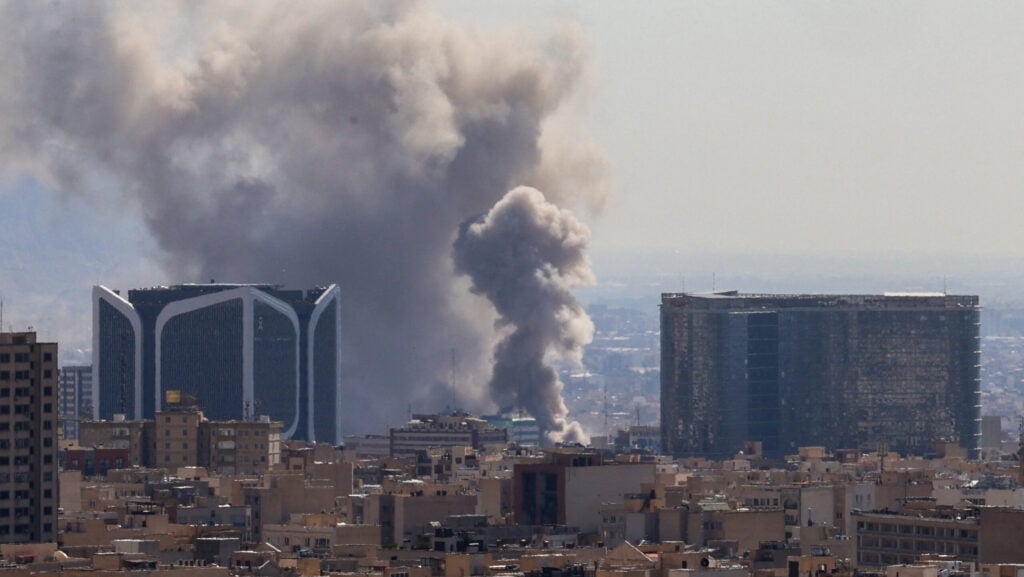
Kaine Pushes Vote on Iran Conflict; Trump Warns of Prolonged War
Senator Kaine's attempt to force a Senate vote on military action against Iran highlights deepening congressional dissent and the potential for escalating conflict. Trump's warning of an extended engagement raises alarms over U.S. intervention in the region.
Senator Tim Kaine is intensifying pressure on the Biden administration by forcing a Senate vote regarding military operations against Iran. This vote, although it may not pass, aims to hold the White House accountable and demand transparency concerning the administration's decisions on recent attacks attributed to Iranian forces. The stakes are high, as the move signals a robust confrontation between Congress and the executive branch over war powers.
Background informs this situation: since the renewed hostilities in the region following the assassination of Iranian General Qasem Soleimani in 2020, tensions have sharply escalated between the U.S. and Iran. Iran's provocations, including drone strikes and attacks on U.S. assets in Iraq, have exacerbated hostilities, prompting the U.S. military to maintain a heightened presence in the region. This latest crisis can be traced back to years of failed diplomatic efforts, with both sides increasingly turning to military posturing.
The significance of Kaine’s push cannot be understated; it exposes the growing bipartisan concern within U.S. politics about the ramifications of unchecked military engagements. This conflict not only risks another protracted military operation in the Middle East but also undermines U.S. credibility among its allies. With Tehran continuing its aggressive posturing, failures to contain the situation could embolden adversaries and destabilize an already volatile region.
Key figures are playing pivotal roles in this escalating confrontation, with Kaine appealing to lawmakers who aim to limit presidential war powers amidst rising public dissent against foreign conflicts. Conversely, Trump’s vocal warning about a potential extended conflict reveals a growing divergence on foreign policy strategy within the Republican camp, underscoring a fundamental split regarding military intervention.
Operationally, as tensions rise, the U.S. has maintained approximately 2,500 troops in Iraq and over 900 in Syria in response to Iranian-backed movements. The potential for conflict escalation includes the deployment of advanced missile systems and drones, alongside significant expenditures running into millions of dollars for military readiness in the region. Recent intelligence suggests Iran has ramped up its own military capabilities, including precision-guided weaponry now pointed at U.S. installations.
The likely consequences include a heightened military footprint in the Middle East if the Senate vote fails, emboldening Iran to escalate its actions further. Increased hostilities could also lead to significant casualties, drawing the U.S. deeper into conflict. As tensions simmer, the risk of miscalculation or provocation remains high, with stakeholders wary of any direct confrontation.
Historically, the parallels with past U.S. engagements in the region—most notably the Iraq War—serve as a cautionary tale. The initial reactions led to a decade-long conflict that further destabilized the region and strained U.S. resources and political cohesion at home. Without clear objectives and an exit strategy, the current situation with Iran could mirror those catastrophic outcomes.
Going forward, observers should monitor Senate developments closely, particularly any shifts in bipartisan support or dissent regarding military action. Intelligence indicators, such as troop deployments, Iranian military movements, and public sentiment, will also be crucial in assessing the broader implications of this ongoing crisis. Moreover, changes in diplomatic engagements with allies could signify shifts in strategy, warranting heightened scrutiny from defense analysts worldwide.