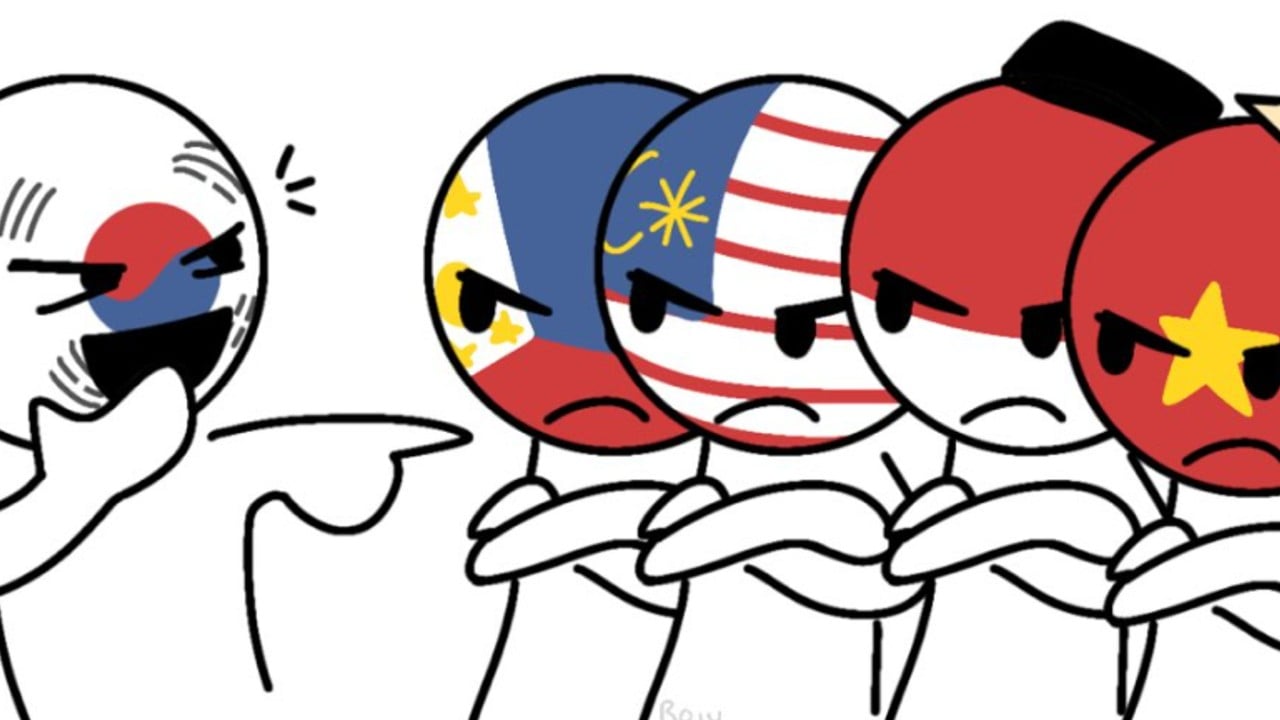
K-Pop Concert Camera Clash Sparks Regional Tensions in Southeast Asia
A dispute over concert regulations ignites widespread online confrontations, showcasing regional discontent. The #SEAblings hashtag highlights the growing calls for unity against perceived injustices across Southeast Asia.
A controversy erupted during a K-Pop concert in Kuala Lumpur over strict camera rules, leading to intense online confrontations that spilled over into broader regional tensions. As young Southeast Asians mobilized, the hashtag #SEAblings surged in usage, symbolizing budding solidarity among youth against these perceived injustices. What began as an argument over concert policies escalated rapidly, with calls for broader discourse surrounding political and social issues affecting the region.
This incident follows a pattern of discontent that has emerged in recent years within Southeast Asia, where youth voices have increasingly clashed with authoritarian regimes and societal restrictions. The context of this latest development is essential, as previous events—ranging from protests in Myanmar to dissidence in Thailand—have laid the groundwork for mass mobilization among the young demographic. The online echo chamber of social media platforms has provided a fertile ground for these movements to sprout, raising questions about their sustainability and overall impact.
The significance of this hashtag's rise cannot be overstated; it indicates a possible shift in the political dynamics within Southeast Asia where younger generations demand greater representation and accountability. Emerging digital solidarity among youth across national borders exposes vulnerabilities in the status quo, signaling that governments cannot easily suppress dissent when the populace unites across digital platforms. Moreover, it highlights the power of social media in transforming localized discontent into a pan-regional movement.
Key actors in this unfolding scenario include youth activists, local governments, and influential K-Pop artists, all of whom have stakes in this digital dialogue. While governments may attempt to downplay these online sentiments as a fleeting trend, young activists view the #SEAblings movement as a call to action. Their motivations go beyond concert regulations; they seek to address broader societal grievances ranging from political repression to economic inequality, framing their messages in a way that resonates with regional solidarity.
From a technical standpoint, the tools enabling this solidarity are predominantly digital, leveraging platforms like Twitter, Instagram, and TikTok, which have become critical in shaping narratives and rallying support. The scope and reach of these communications are amplified by modern smartphone technology, allowing rapid information dissemination and organization on an unprecedented scale given the region's high internet penetration rates, officially estimated at over 55%. The potential for this reach poses challenges for local governments trying to maintain control over public discourse.
Likely consequences of this growing trend include potential government crackdowns, increased censorship, and crackdowns on digital communication. Governments in the region may feel threatened by these movements and respond with restrictions that could escalate tensions further. Alternatively, the success of this grassroots solidarity could catalyze further protests or movements, giving rise to a new wave of activism that challenges the existing order.
Historically, Southeast Asia has seen similar movements emerge but often with violent repercussions or swift suppression. Events such as the 1986 People Power Revolution in the Philippines or the 2014 coup in Thailand rocked regional stability and showcased the risks involved in mobilizing collective action. Other instances, like the Arab Spring, illustrate how digital mobilization can lead to both significant changes and severe backlash, highlighting the precarious nature of such movements.
In the near future, observers should closely monitor the trajectory of the #SEAblings movement. Indicators of escalation will include an increase in protest activities, government policy responses to digital dissent, and a rise in youth-led organizations aiming to unify efforts across borders. The potential for sustained activism poses both challenges and opportunities for the youth of Southeast Asia, suggesting that the region could be on the brink of significant socio-political transformation.