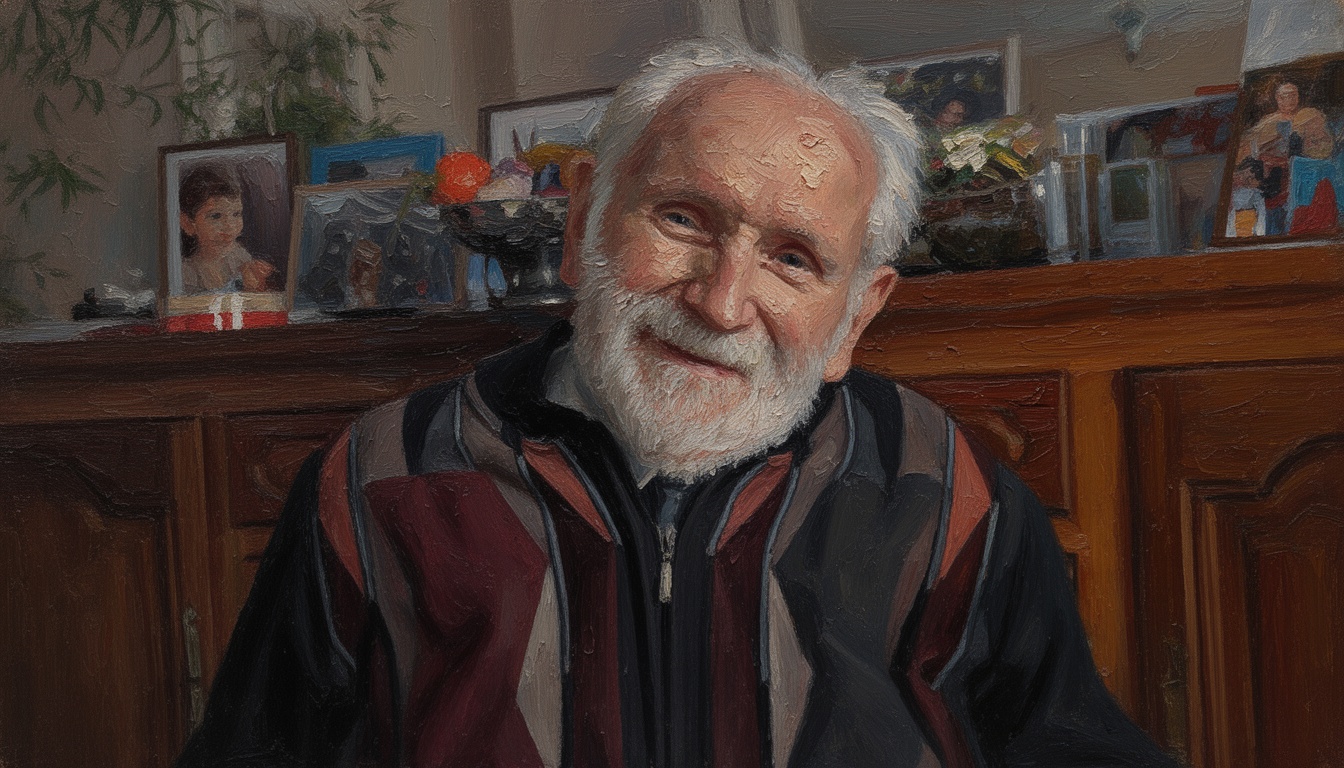
Jean Lafaurie, 102 years old, still resisting
A World War II resistance fighter, deported to Dachau, delivers a stark message on France’s National Day of Remembrance. At 102, his story testifies to resilience and the fragility of freedom, urging vigilance against authoritarian trends. The video project amplifies a veteran’s warning about democracy’s continuance.
Jean Lafaurie, a 102-year-old veteran of the French Resistance, remains unbowed as he reflects on the darkest chapters of modern history. Deported to Dachau during World War II, he endured the hell of the concentration camp alongside fellow prisoners who leaned on solidarity for survival. Now, on France's National Day of Remembrance for the Victims of Deportation, he uses his platform to issue a warning in defense of democracy and freedom. The video accompanying his remarks was produced by Stéphanie Trouillard and Claire Paccalin, capturing a lifetime of memory that still feels urgent.
Lafaurie’s experiences sit within a broader historical context of totalitarianism and systematic persecution. The deportations that scarred his generation were part of a wider campaign to erase dignity and erase dissent. Survivors like Lafaurie emphasize the power of community within confinement, where mutual aid could mean the difference between life and death. His message connects past atrocities to present-day concerns about political rhetoric, populism, and erosion of civil liberties in democracies.
Strategically, the veteran’s testimony functions as a moral touchstone for national identity and collective memory. It reinforces the idea that vigilance against authoritarian tendencies is a continuous obligation, not a historical footnote. In an era of rapid information flows and polarized politics, remembrance acts as a counterbalance to cynicism and apathy. Lafaurie’s narrative underlines how democratic resilience depends on an informed citizenry that honors the sacrifices of those who resisted tyranny.
From a technical standpoint, the narrative relies on the credibility of memory and survivor testimony. The filmic treatment by Trouillard and Paccalin uses close-up dialogue, archival imagery, and a restrained, documentary tempo to convey immediacy without sensationalism. Lafaurie’s voice project remains the core, anchored by concise, direct recollections of forced marches, deprivation, and the solidarity that sustained prisoners. The public presentation aligns with national commemoration protocols that seek to mobilize public reflection rather than political division.
Looking forward, Lafaurie’s call to defend democracy is likely to influence community discourse around civil courage and civic duty. It reinforces the importance of remembrance as a preventive measure against complacency in democratic societies. Analysts expect the message to resonate with aging veterans, new generations of witnesses, and policymakers who prioritize human rights and rule of law. The enduring question is whether societies will translate memory into sustained action and robust democratic safeguards.