Japan's Wartime Past Fuels Philippines Military Rift
Japan's first combat troop deployment in the Philippines since 1945 revives historical wounds, stirring regional security tensions. The unresolved legacy of wartime atrocities clouds Tokyo's growing defense role, complicating cooperation amid rising strategic competition in Asia.
Japan's deployment of combat troops to Philippine war games next month marks its first military presence on Philippine soil since 1945, igniting fresh controversy over historical grievances. Survivors, activists, and historians argue Tokyo has not issued a fully formal state apology for wartime atrocities, fueling distrust amid expanding security ties.
The legacy of Japanese occupation during World War II remains deeply sensitive in the Philippines, where millions suffered under brutal forced labor, sexual slavery, and widespread violence. These unresolved issues overshadow Tokyo’s efforts to deepen defense cooperation to counterbalance China’s regional military rise.
Strategically, Japan’s military participation signals a shift in its postwar pacifism, asserting a more robust security role in Southeast Asia alongside the Philippines. This move aligns with U.S. and Western interests to strengthen regional alliances against China’s expanding maritime militarization and territorial claims.
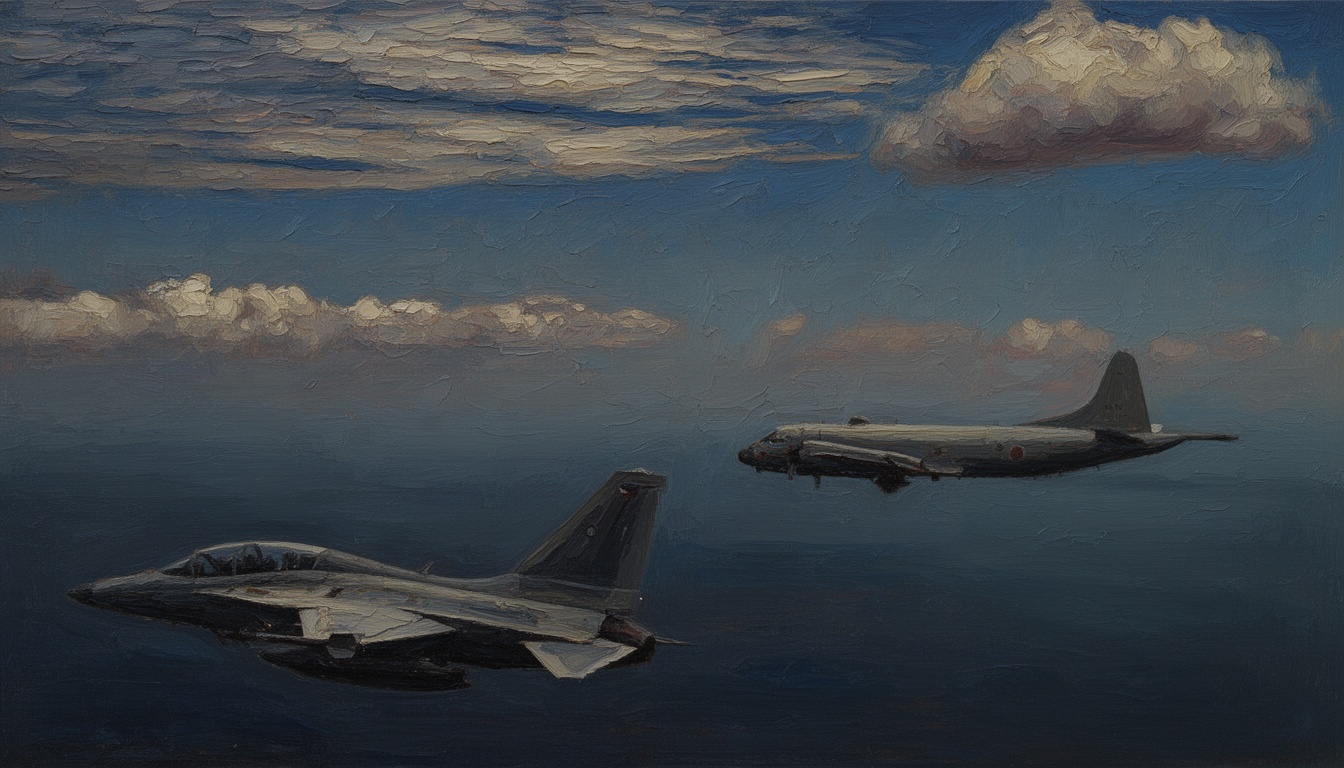
Tokyo will deploy ground troops equipped with advanced amphibious vehicles and surveillance aircraft, participating in joint exercises focused on rapid troop deployment and island defense scenarios. Philippine forces will integrate their units to improve combined operational readiness amid increasing threats in the South China Sea.
The renewed Japanese military presence is likely to deepen diplomatic tensions and reignite public debate in the Philippines about historical redress and sovereignty. Analysts warn that without clear reconciliation measures, Japan’s security ambitions could provoke nationalist backlash and hinder broader regional collaboration.