Japan’s role in US-Philippine drill signals higher deterrence
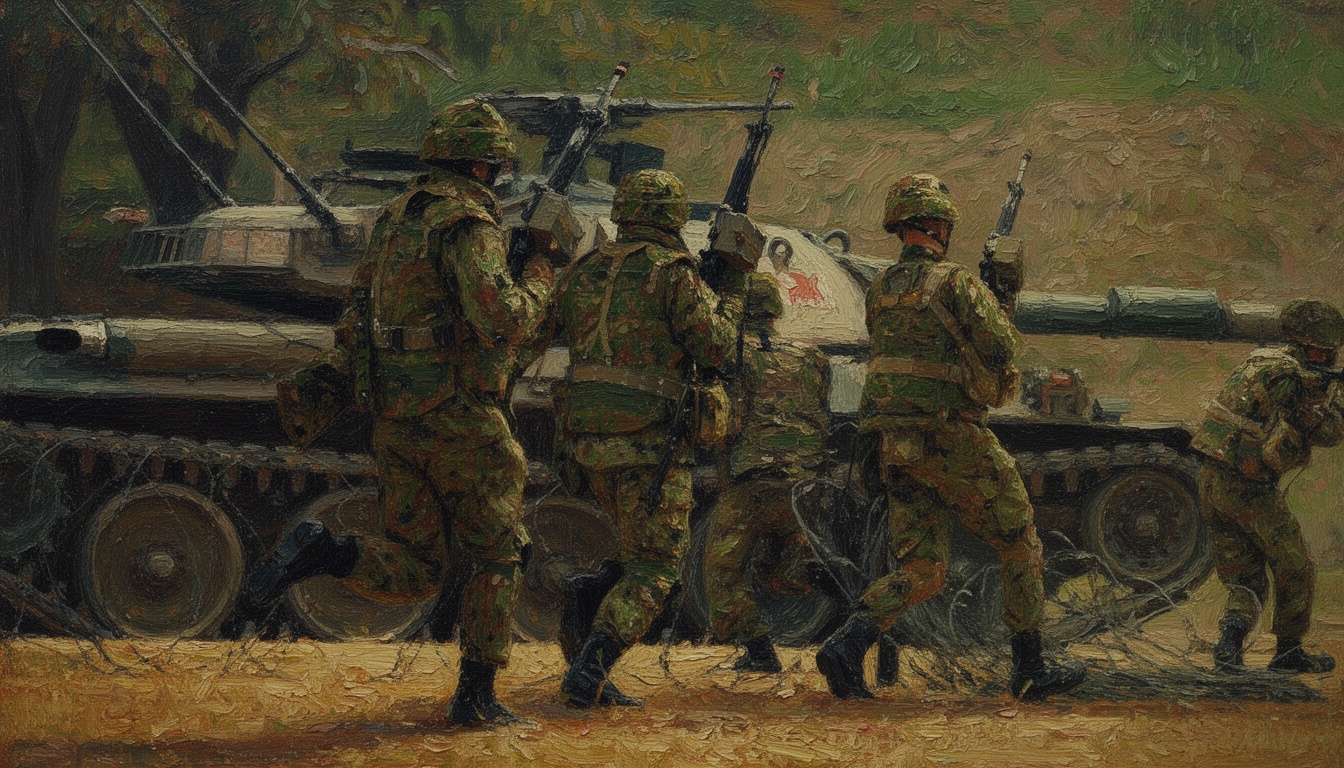
Japan’s largest-ever participation in Balikatan highlights Tokyo’s prioritization of deterring Beijing in a Taiwan contingency. Analysts see this as a step to strengthen the US-Philippines deterrence architecture and extend Tokyo’s reach in the Western Pacific. The deployment will include roughly 1,400 personnel, multiple ships and aircraft, and Type 88 anti-ship missiles.
Japan’s most extensive participation to date in a counter-landing and missile defence exercise in the Philippines signals a clear escalation in Tokyo’s deterrence posture toward Beijing in a potential Taiwan contingency. The joint deployment, announced by Japan’s Joint Staff, will see the Self- Defence Forces (SDF) commit about 1,400 personnel along with several warships and aircraft. The inclusion of Type 88 anti-ship missiles would add a potent maritime strike capability to the Balikatan drills, reinforcing a multi-domain approach to stalemate-breaking deterrence.
Background context: Balikatan is the Philippines-United States annual large-scale exercise designed to improve interoperability across air, sea, and land domains. Tokyo’s participation marks a rare level of allied coordination that transcends the traditional three-way security framework in the region. Analysts interpret this as a signal that Tokyo intends to contribute more actively to regional crisis management, not merely to participate in show-of-force exercises. The move aligns with broader Japanese strategy to deter coercion in the Taiwan Strait without drawing direct into a冲突, balancing alliance commitments with regional risk management.
Strategic significance: The Japanese role expands the potential duration and depth of allied pressure on Beijing in a Taiwan scenario. By integrating SDF assets into Balikatan, Tokyo aims to complicate any potential coercive moves by adversaries, increasing the credibility of U.S.-led deterrence. The step also distributes risk along a broader allied perimeter, reducing single-point vulnerability for Washington and Manila while signaling to partners in the Indo-Pacific that Tokyo will bear a larger burden in containment.
Technical and operational details: The reported force package includes around 1,400 personnel, multiple warships, and aircraft, plus Type 88 anti-ship missiles. If actual assets include surface combatants, submarines, and reconnaissance aircraft, the balance of power in littoral and open-water regions could shift toward allied sea-denial and anti-access capabilities. Budget lines and logistics for sustaining this level of participation would indicate a steady increase in Japan’s defense expenditures directed at forward posture and allied interoperability. Forward-looking assessment suggests Tokyo will seek to operationalize these capabilities in tandem with U.S. and Philippine planning, potentially accelerating joint exercises and information-sharing arrangements in the Western Pacific.