Japan Unilaterally Depletes Oil Reserves Amid Middle East Crisis
Japan’s decision to release strategic oil reserves reveals vulnerabilities tied to Middle East tensions. As the fourth-largest global economy, this move underscores escalating concerns over energy security.
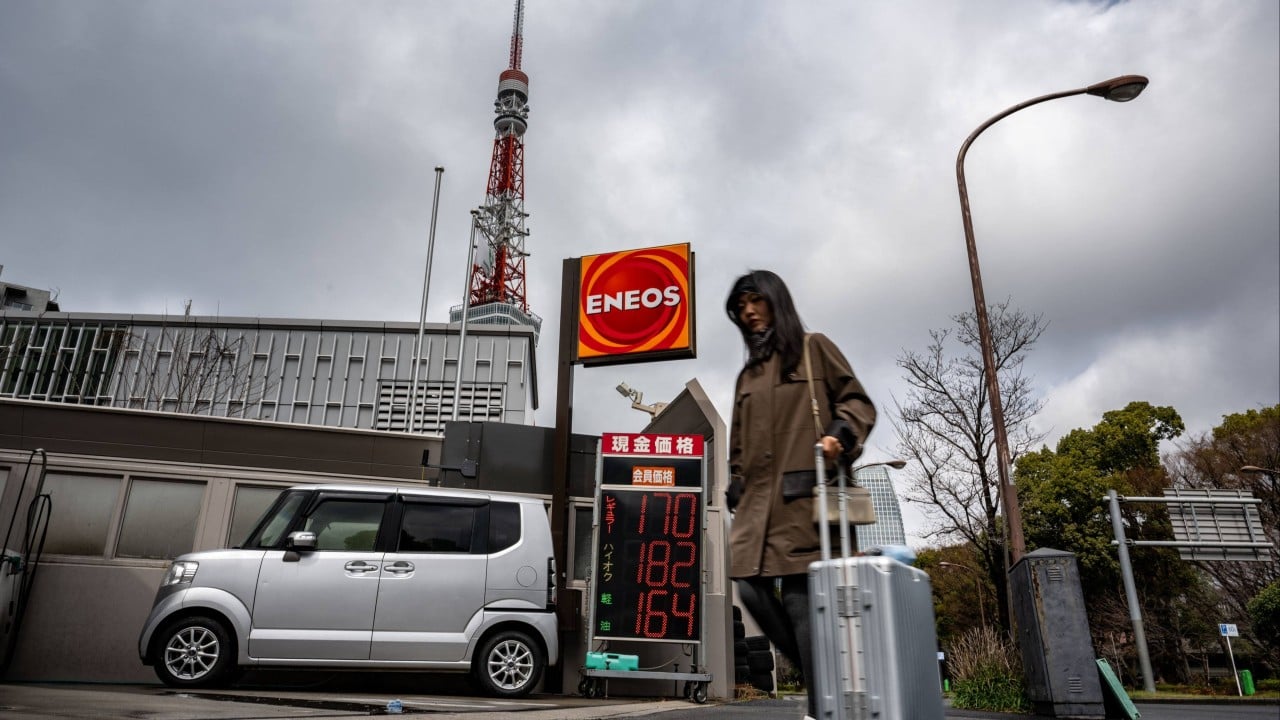
Japan has announced it will deplete its strategic oil reserves beginning Monday, a bold decision by Prime Minister Sanae Takaichi in response to skyrocketing fuel prices stemming from conflicts in the Middle East. This unilateral move is set against a backdrop of increasing instability in one of the world’s most crucial oil-producing regions, encouraging fears of supply shortages and market volatility.
The release comes as Japan grapples with its heavy dependence on foreign oil, drawing about 95% of its crude imports from the Middle East. Prior to the ongoing conflicts, approximately 70% of these inputs navigated the Strait of Hormuz—a key choke point. The rising tensions following recent military escalations and geopolitical confrontations have heightened Japan's urgency to act, marking a significant shift in its energy policy.
This action has far-reaching consequences. Japan's reliance on fossil fuels, particularly from volatile regions, exposes it to external shocks that can destabilize its economy. The decision to release reserves not only highlights existing vulnerabilities but poses risks of escalating competition among nations for dwindling oil supplies, potentially driving prices even higher in a global market already under strain.
Key actors in this situation include Japan and the Middle Eastern nations embroiled in conflict. Japan's motivation stems from an urgent need to stabilize domestic fuel prices and secure energy supplies, as any disruption in oil flow could spark economic turmoil. Conversely, oil-producing nations may perceive Japan's actions as a signal of weakness, prompting them to reconsider pricing and trade agreements based on their own national interests amid ongoing conflicts.
The operational details of this reserve release have yet to be clarified, but Japan reportedly holds approximately 145 million barrels in strategic storage. The release volume and timing could significantly impact global crude prices, especially if coordinated alongside other major economies facing similar challenges. The promptness of this action indicates the urgency of the situation in the face of declining diplomatic relations.
The likely consequences of this reserve depletion are manifold. Should Japan’s oil prices stabilize following the release, it may embolden other nations to also draw from their reserves, thereby aggravating the situation in the oil market. However, if prices continue to rise, Japan could be forced to implement even more aggressive energy policies or seek alternative supplies, further straining relationships with key oil exporters.
Historically, similar decisions to tap into reserves have occurred during periods of crisis, such as the 2005 response to rising prices and the 2011 Fukushima disaster that disrupted supply chains. Each instance has brought about geopolitical shifts and necessitated adjustments in national energy strategies.
Looking ahead, key indicators to monitor include the global response from other major oil-importing nations and any reciprocal measures taken by oil-exporting states. The effectiveness of Japan's strategy in stabilizing domestic fuel prices will serve as a benchmark for future energy policies, revealing whether such unilateral moves can withstand the turbulent tides of international energy markets.