Japan Plans Military Build-Up on Iwo Jima Amid Chinese Pacific Expansion
Japan's potential military upgrade on Iwo Jima signals escalating tensions with China, further destabilizing the Pacific region. This shift illustrates Tokyo's urgency to fortify its defenses against Beijing’s growing assertiveness.
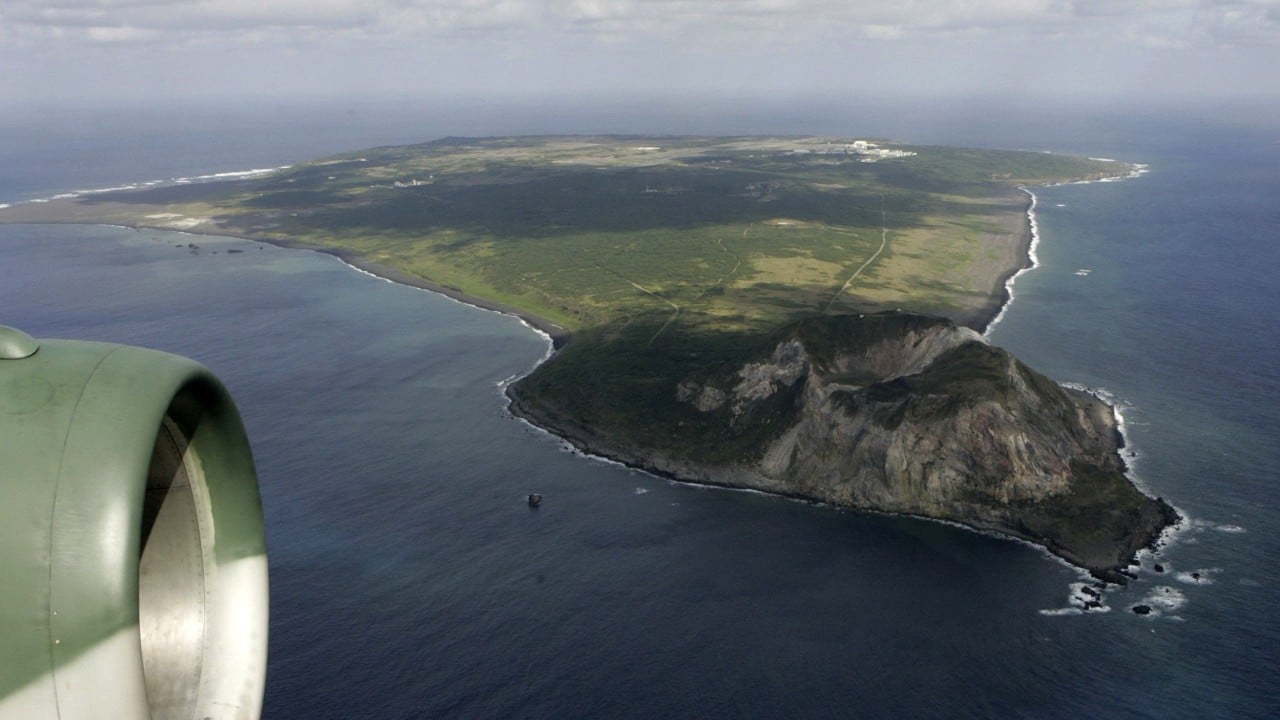
Japan is poised to escalate its military presence on Iwo Jima, a strategic island situated approximately 1,207 kilometers south of Tokyo. This move is a direct response to the increasing Chinese military activities in the Pacific Ocean. Reports indicate that the Japan Ministry of Defense is planning significant enhancements to its military infrastructure on the island, a location historically marred by intense World War II battles.
The backdrop of this development is a marked increase in China's naval operations in the Pacific, including provocative maneuvers and the expansion of its maritime claims. Over the past few years, Chinese warships have undertaken more frequent patrols in waters surrounding Japan, showcasing Beijing's intent to assert dominance in the region. Japan’s concerns have been exacerbated by revelations of potential Chinese military installations on various islands in the South China Sea, illustrating a expanded threat trajectory.
This move by Japan is significant; it not only represents a shift in its defense posture but also highlights the fragility of security in the Pacific. The build-up is expected to send a strong signal to Beijing, marking a watershed moment where Japan is prepared to counter perceived threats with military readiness. Japan’s military modernization echoes sentiments of the necessity for self-defense in the face of an increasingly aggressive neighbor, further destabilizing the delicate balance in the region.
Key actors in this scenario include Japan, China, and the United States. Japan's motivations are clear: under the current geopolitical climate, reinforcing national defense capabilities is deemed essential. Meanwhile, China’s actions are driven by ambitions to solidify its influence in the Pacific, threatening Japan’s national interests. The U.S., as a traditional ally of Japan, might view this build-up with a mix of support and concern regarding maintaining stability within the alliance and the broader regional context.
Operationally, reports suggest the Japanese Self-Defense Forces may expand infrastructure including missile systems and surveillance capabilities on Iwo Jima. The site is strategically located for monitoring sea lanes critical to both trade and military operations. Analysts project that enhanced military capabilities could involve investments in new naval assets and air defense systems exceeding several billion USD, recalibrating Japan's defense spending upwards to confront emerging threats.
The consequences of this military build-up could ignite a tit-for-tat dynamic in the region. China is likely to perceive Japan’s actions as provocative, potentially leading to an acceleration of China's military operations in the Pacific. This scenario could escalate into confrontations either through miscalculations or a calculated show of force between the two nations, increasing the risk of a larger conflict involving regional allies.
Historically, Japan's militaristic tensions resonate with precedents from past conflicts, particularly during World War II, when Iwo Jima represented a pivotal battleground. The resurgence of military preparations on the island echoes national insecurities arising from geopolitical changes, highlighting how historical memories can rekindle current military strategies and narratives.
Going forward, intelligence analysts should watch for definitive steps in Japan's military upgrades and any subsequent reactions from China. Key indicators will include maneuvers in Chinese naval capacities, changes in U.S. defense commitments in the Asia-Pacific, and announcements from Japan’s defense ministry regarding timelines for military enhancements deployed on Iwo Jima. The developments over the coming months could define the strategic contours of Pacific security for years to come.