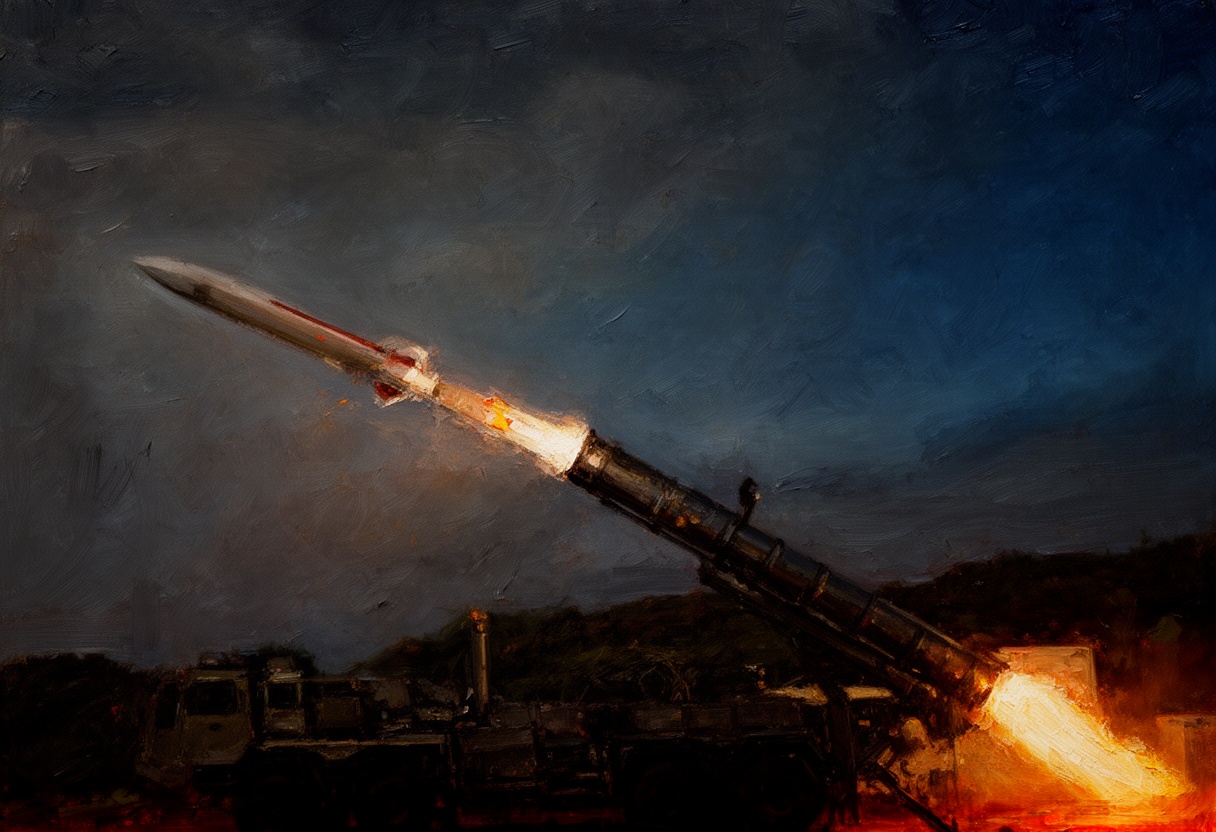
Japan fields multiple advanced coastal missiles by 2032
Japan plans to deploy several sophisticated coastal defense missiles by 2032 and pursue a hypersonic guided system. The push expands Japan's island defense capabilities amid rising Indo-Pacific tensions and a rapidly changing security landscape. This marks a clear shift from Tokyo’s traditional defensive posture toward proactive deterrence.
The Japanese Ministry of Defense is advancing a broad program to field multiple advanced coastal defense missiles by 2032, including a hypersonic guided option. The initiative aims to harden Japan’s island network and deter潜在 confrontations along the Ryukyu arc and surrounding approaches. Officials describe the move as a strategic upgrade designed to outpace regional threats and provide layered coastal cover. This is presented as a decisive shift from a strictly defensive stance toward a more capable, proactive deterrence posture.
Rising tensions in the Indo-Pacific, accelerated modernization of regional militaries, and evolving maritime warfare concepts drive the plan. Tokyo cites improved anti-access/area denial environments and the need to protect critical sea lines of communication. The program aligns with broader reforms to the Self-Defense Forces and a greater willingness to invest in long-range, mobile coastal systems. Analysts expect the push to influence neighbor dynamics and alliance planning in the region.
Strategically, the missile package would complicate adversaries’ targeting envelopes and complicate sea-denial calculations for potential aggressors. It complements broader U.S.-Japan security cooperation and could factor into extended deterrence calculations. The move increases the credibility of Japan’s maritime defense and provides additional options for contested littoral zones around Kyushu, Shikoku, and southern Honshu.
Technical details remain provisional, but the package is likely to combine existing coastal batteries with new missiles featuring extended range, improved navigation, and potential hypersonic capabilities. Deployment would leverage enhanced mobile launchers, command-and-control upgrades, and integration with allied early-warning networks. The fiscal footprint is substantial, implying multi-year procurement cycles and rigorous testing regimes across environments and thresholds.
If realized, the program will reverberate through regional deterrence dynamics and trigger a ripple effect in allied modernization efforts. For Tokyo, the capability would sharpen crisis response options and raise the stakes for any coercive moves against Japan. Observers anticipate parallel advances among adversaries as they reassess coast-line defense postures and expeditionary logistics in response to Japan’s modernization.