Japan Faces Nuclear Crisis Fallout 15 Years Post-Fukushima Disaster
Japan confronts ongoing nuclear threats as Fukushima clean-up costs soar. Strategic stability in the region remains jeopardized by unresolved nuclear risks.
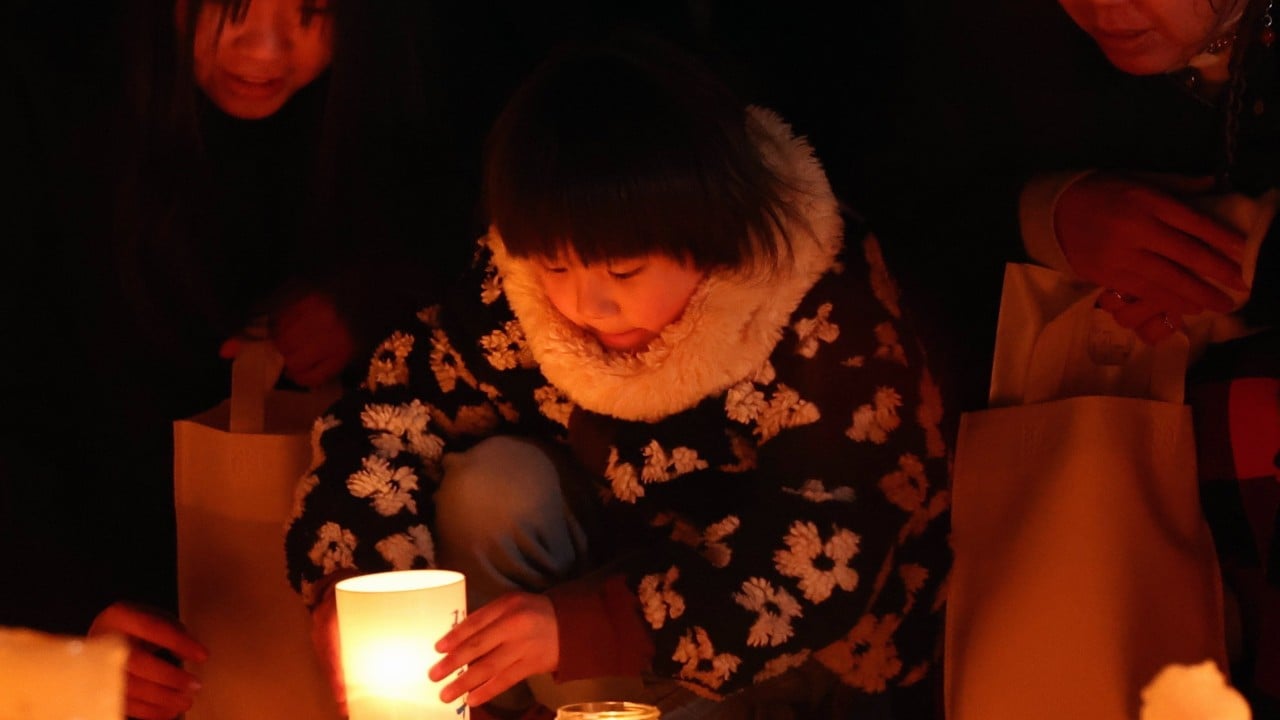
Japan commemorated the 15th anniversary of the Fukushima disaster, a calamity that resulted from a magnitude-9.0 earthquake and subsequent tsunami. The twin disasters triggered the meltdown at the Fukushima Daiichi nuclear power plant, marking the worst nuclear accident since Chernobyl in 1986. Over 22,000 lives were lost during this catastrophe, and the fallout continues to endanger the region's safety and security.
Since the disaster, Japan's nuclear power sector has faced tremendous challenges, with public trust in nuclear energy at an all-time low. The Fukushima clean-up is projected to remain incomplete until at least 2051, and the operator, Tokyo Electric Power Company Holdings (TEPCO), struggles with rising operational costs and complexities of dismantling the damaged facilities. This prolonged clean-up emphasizes Japan's vulnerability as it attempts to rebuild its energy sector while facing public opposition to nuclear operations.
The implications of the Fukushima disaster extend beyond national borders, exposing significant geopolitical risks. Japan's dependence on imported energy is increasing, as legal and regulatory uncertainties hinder the revival of domestic nuclear energy production. This shift could alter energy dynamics in the Asia-Pacific region, inviting external influences from energy rivals like China and Russia, which could exploit Japan's weakened energy position.
Key actors such as the Japanese government and TEPCO are primarily motivated by economic recovery and energy security. However, their push for nuclear reactivation meets fierce resistance from local communities and anti-nuclear activists, which raises the stakes for potential social unrest. Furthermore, the government's hesitance to support meaningful nuclear policy reform reflects deep internal divides regarding the future of Japan's energy strategy.
Operationally, TEPCO has been allocated around 1 trillion yen ($9 billion USD) to manage the clean-up and decommissioning of the Fukushima facility. Current assessments indicate that TEPCO has only achieved approximately 30% of the dismantling process after 15 years. This slow progress not only inflates the prolonging costs but raises questions about the effectiveness of Japan's nuclear safety protocols.
The consequences of the Fukushima disaster will likely reverberate for decades, and any significant delays in tackling the ongoing crises may provoke heightened external pressures on Japan. As the nation faces potential energy shortages due to public refusal to accept nuclear reactivation, the prospect of relying more heavily on foreign energy can exacerbate Japan's security vulnerabilities, especially amid rising tensions in the South China Sea.
Historically, the Fukushima disaster parallels other catastrophic nuclear incidents, such as the Three Mile Island incident in the US and the Chernobyl disaster. Each instance underscores the severe liabilities that nuclear power presents when safety protocols fail, leading to public panic and long-term environmental devastation. As Japan grapples with the aftermath, its experience serves as a lesson for other nations relying on nuclear energy.
Moving forward, key indicators to monitor include TEPCO's progress towards clean-up milestones, shifts in public opinion regarding nuclear power, and any policy changes that could arise in response to energy shortages. The international community should observe Japan's handling of nuclear safety and regulation as a crucial measure of regional stability and security, especially with nuclear energy's intricate role in national defense strategies across Asia.