Japan Escalates Military Alignment with U.S. by Joining 'Golden Dome' Defense
Japan's participation in the U.S.' 'Golden Dome' missile defense system marks a significant shift in regional military dynamics, highlighting rising threats from North Korea and China. This development indicates deepening defense ties with the U.S. amid growing security concerns in the Asia-Pacific region.
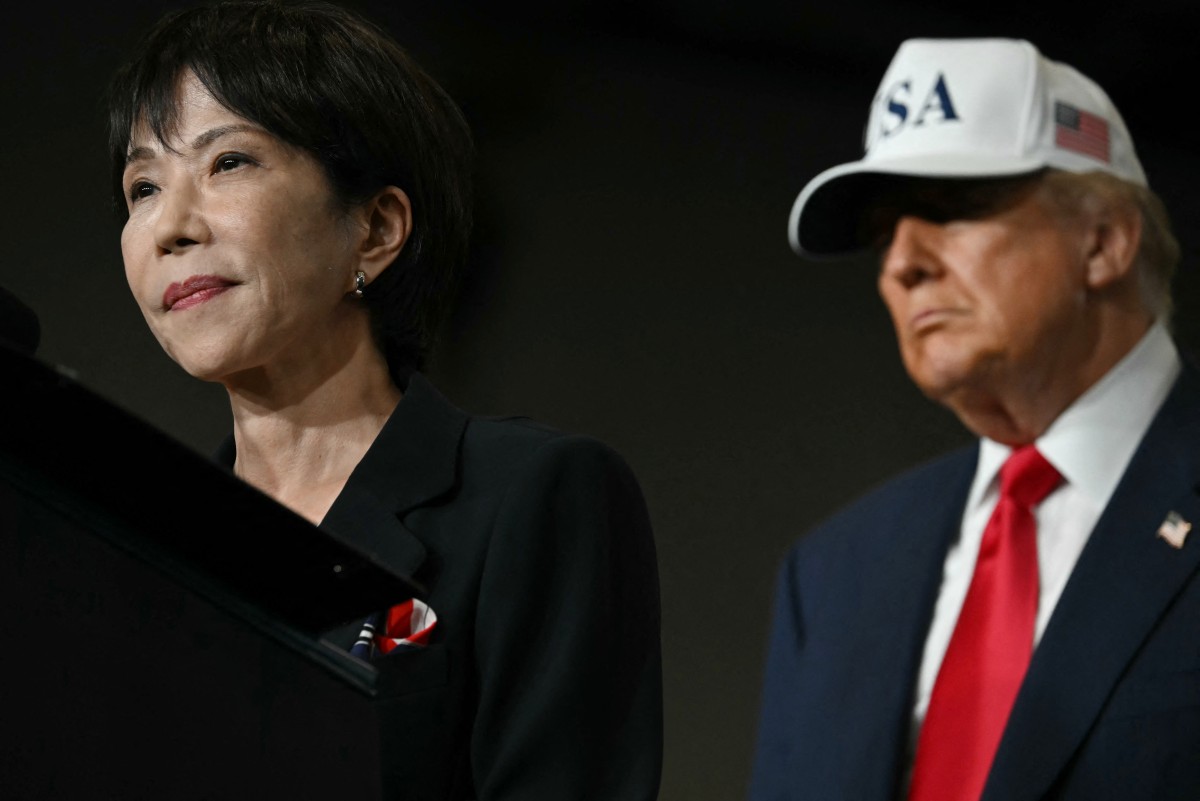
Japan is set to formally announce its participation in the U.S.-developed 'Golden Dome' missile defense system during an upcoming meeting between Prime Minister Sanae Takaichi and former President Donald Trump. This announcement comes amidst escalating tensions in East Asia, particularly due to North Korea's advancing missile capabilities and China's increasing military assertiveness in the region. The deployment of this next-generation defense system exemplifies Japan's commitment to enhancing its national defense and securing its airspace against potential aerial threats.
Historically, Japan has maintained a pacifist defense posture since World War II, relying heavily on the U.S. for its security needs. However, recent provocations from North Korea, including missile tests demonstrating intercontinental capabilities, along with China's aggressive territorial claims in the South China Sea, have forced Tokyo to reassess its military alignment and capabilities. The 'Golden Dome' system is seen as a necessary upgrade to Japan's defense infrastructure, moving from a strictly defensive stance to a more proactive posture against regional adversaries.
This development carries significant implications for regional strategic dynamics. By aligning with the U.S. on missile defense, Japan is not only increasing its defense spending but also signaling to Beijing and Pyongyang that it will not stand idly by. The participation in the 'Golden Dome' could provoke more aggressive responses from North Korea, which views U.S. military presence and capabilities as direct threats, thereby exacerbating the already fraught security landscape in Northeast Asia.
Key players in this scenario include the United States, Japan, North Korea, and China. The U.S. seeks to bolster its defense network in the region as part of its Indo-Pacific strategy, promoting coalition building among allies. Japan, led by PM Takaichi, is motivated by homeland security concerns and the need to ensure its defense autonomy is strengthened amid a shifting geopolitical landscape. North Korea's leader, Kim Jong-un, likely perceives these developments as confrontational, likely leading to escalation in missile tests or military posturing.
The 'Golden Dome' system employs advanced technologies including space-based interceptors and integrated sensors, designed to provide multi-layered defense against various aerial threats. Financially, the project will demand substantial investment; Japan's defense budget, already set to exceed ¥5.4 trillion (approximately $49 billion), will need increased allocation to incorporate the new system. This represents a noteworthy shift in military funding priorities for Japan, as it continues to modernize its armed forces beyond constitutional constraints.
The consequences of Japan's integration into 'Golden Dome' are likely significant, potentially leading to expanded military capabilities and a more assertive Japan. Escalation vectors include possible preemptive military exercises by North Korea, reactions from China, and increased U.S.-Japan military coordination in response to perceived threats. In the worst-case scenario, miscalculations during military drills could flare into open conflict.
Historically, similar defense alignment projects have led to increased tensions and arms races. The deployment of THAAD in South Korea faced fierce retaliation from China, manifesting in economic sanctions and military posturing. Japan must tread carefully as it navigates this new defense paradigm, learning from past regional crises that escalated due to miscommunication and aggression.
Looking forward, critical indicators to monitor include North Korean missile tests, changes in Chinese military operations in the South China Sea, and any public statements from U.S. defense officials on the 'Golden Dome' initiative. Additionally, domestic Japanese political responses to increased military spending and coordination with the U.S. will provide insights into the future trajectory of Japan's defense strategy and its role in regional security architecture.