Japan Deploys Long-Range Missiles to Two Bases, Stokes China Tensions
Japan has armed two Self-Defense Force bases with long-range, counterstrike missiles, breaking decades-old defense-only norms amid escalating China rivalry. This militarization shift heightens regional instability and signals Tokyo's intent to counter Beijing's growing power.
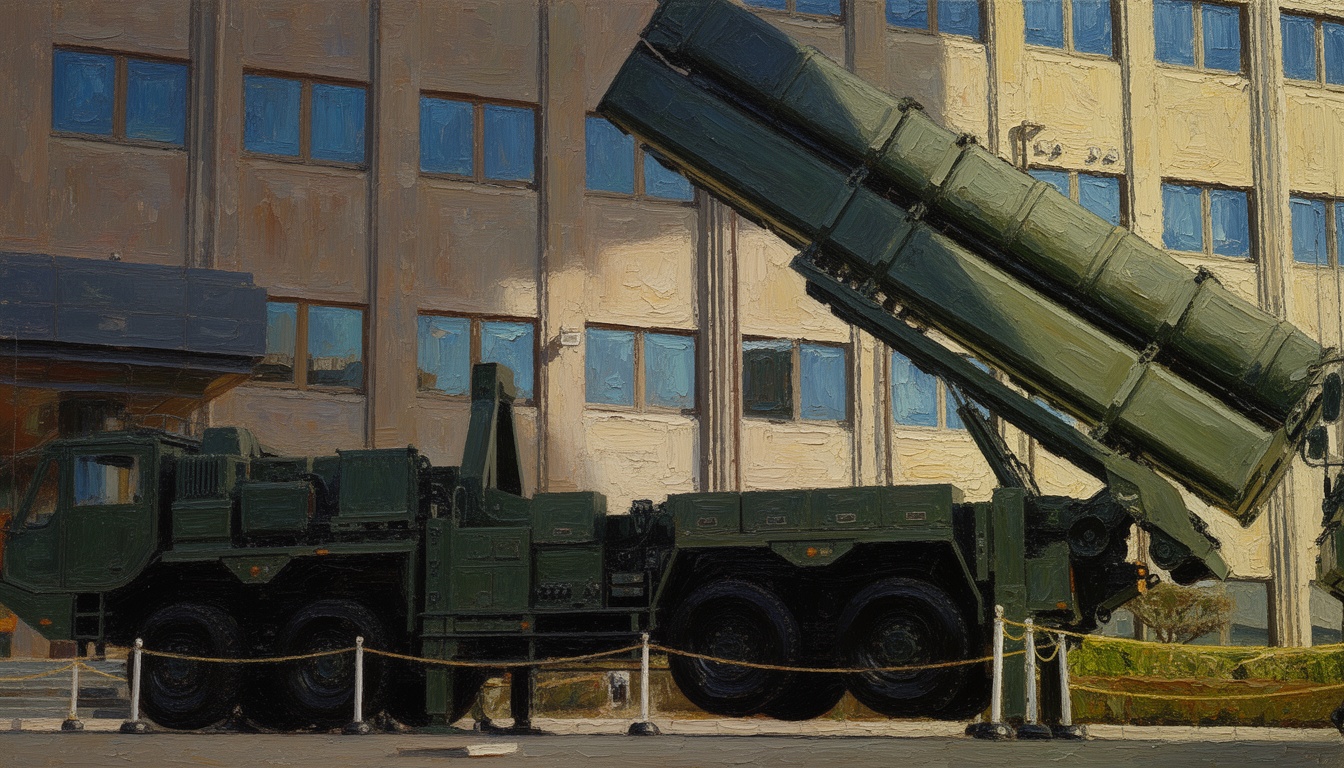
Japan's Defense Ministry has announced the deployment of long-range missiles capable of counterstrike at Camp Kengun in Kumamoto and Camp Fuji in Shizuoka. This marks a historic move as Japan moves away from its post-WWII purely defensive military posture under its pacifist constitution.
The deployment comes as China intensifies military activities around Japan, increasing Tokyo's perception of threat. Traditionally, Japan's Self-Defense Forces were limited to defensive capabilities, but this represents a significant strategic recalibration amid regional power competitions.
Strategically, these missile deployments enable Japan to deter or retaliate against potential attacks far beyond its borders, especially targeting Chinese military installations. This counters Beijing's growing missile and naval force projection in the Indo-Pacific, shifting Japan closer to a more assertive military stance.
The missile systems involve long-range, precision-guided munitions integrated into ground units, capable of striking targets hundreds of kilometers away. The bases host units trained in rapid deployment and counterattack maneuvers, leveraging advanced radar and command networks to maximize strategic impact.
This escalation risks provoking China, raising tensions in an already fraught maritime and territorial contest around the East China Sea. Japan's expansion of offensive capability signals a new era of military readiness in the region, likely accelerating arms development and complicating diplomatic efforts toward peace.