Japan Deploys Combat Troops to Philippines, Marking Strategic Indo-Pacific Shift
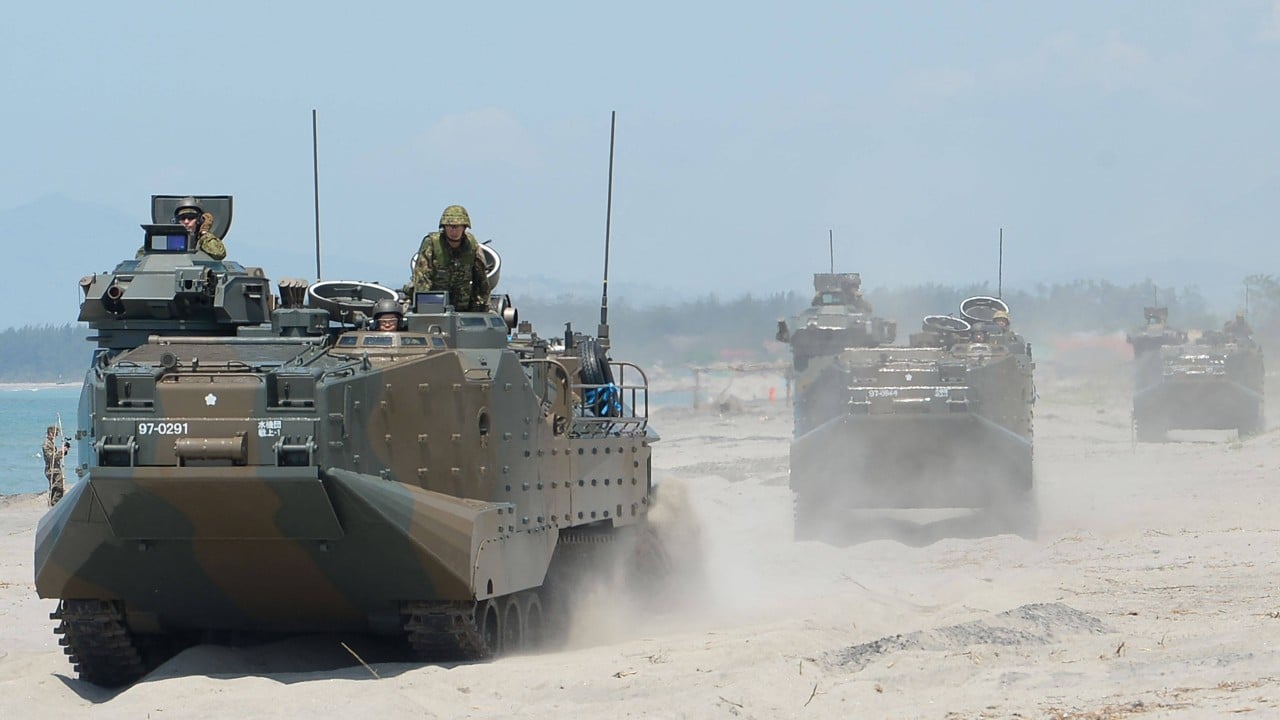
In an unprecedented move after 81 years, Japan will deploy over 1,000 armed combat troops to the Philippines for joint Balikatan exercises with US forces. This deployment signifies a transition in Indo-Pacific defense posture from traditional bilateral frameworks to complex multilateral security arrangements.
Japan's deployment of more than 1,000 armed combat troops to the Philippines next month marks a significant milestone in post-World War II regional military relations. This will be the first time since 1941 that Japanese combat troops have set foot on Philippine soil, underlining a major evolution in Tokyo’s defense policy. The troop presence will coincide with the annual Balikatan joint military exercises, a longstanding bilateral training program between the Philippines and the United States. These drills have historically focused on enhancing interoperability and crisis response capabilities in the region.
Technically, the contingent will consist of highly trained infantry units equipped with advanced weaponry and support assets, emphasizing rapid deployment and integrated operational tactics with US and Philippine forces. The involvement of Japanese troops in a foreign military exercise with combat elements reflects Tokyo’s increasingly proactive stance in regional security affairs, influenced by rising tensions in the Indo-Pacific.
Strategically, experts interpret this move as signaling a shift away from the traditional 'hub-and-spoke' security arrangements dominated by bilateral alliances towards a model featuring overlapping multilateral minilateral partnerships. This new approach treats the Indo-Pacific as a unified strategic theatre instead of segmented zones, aiming to enhance collective deterrence and operational flexibility against challenges such as coercion by state actors.
Manufactured and supplied by Japan Self-Defense Forces standard issue systems, the deployed troop elements will likely use state-of-the-art communication and command systems enabling seamless coordination with allied units. Potential applications of this deployment extend beyond training; they also send a diplomatic signal of strengthened defense ties among Japan, the Philippines, and the United States to counterbalance regional threats.
Overall, Japan’s combat troop return under the Balikatan framework represents a pivotal step in Indo-Pacific defense realignment, reflecting broader geopolitical shifts and Tokyo’s commitment to collaborative security architectures.