Italy, Allies Deploy Warships to Defend Against Iranian Strikes on Cyprus
Italy and its allies are mobilizing naval forces to counter escalating Iranian threats in the Eastern Mediterranean. This confrontation raises the stakes in regional security and underscores vulnerabilities in Europe’s defense posture.
Italy has officially announced a naval deployment aimed at safeguarding Cyprus from potential Iranian missile strikes. Defense Minister Guido Crosetto confirmed that Italy, alongside Spain, France, and the Netherlands, will send warships to bolster the island’s defenses. This move comes amid rising tensions in the Eastern Mediterranean as Iran displays increasingly aggressive military posturing.
The decision to deploy naval assets follows a series of provocative actions by Iran, including missile tests targeting shipping routes in the region. Over the past year, Iran has intensified its military capabilities, focusing on deterrent measures against perceived threats from U.S. forces and their allies. Cyprus, strategically located in the Eastern Mediterranean, has become a flashpoint due to its proximity to both Iran and Israel, exacerbating security concerns.
This formation of a multinational naval presence is significant as it indicates both an urgent response to Iranian escalation and the potential fragmentation of regional security dynamics. The involvement of four European nations signals a collective commitment to deter Iranian aggression, although it also exposes the limitations of Europe's military readiness and its dependence on NATO partnerships. The strategic importance of Cyprus and the risks it faces due to Iranian missiles highlight vulnerabilities within Europe’s southern flank.
Key actors in this crisis include Italy, which aims to assert its influence in regional security matters, and Iran, whose ambitions are supported by its burgeoning military capabilities. The European nations involved likely view the naval deployment as necessary to discourage Iranian expansionism, while Tehran perceives this as a direct challenge to its regional influence. This heightened confrontation illustrates the increasingly blurred lines of engagement in the Eastern Mediterranean.
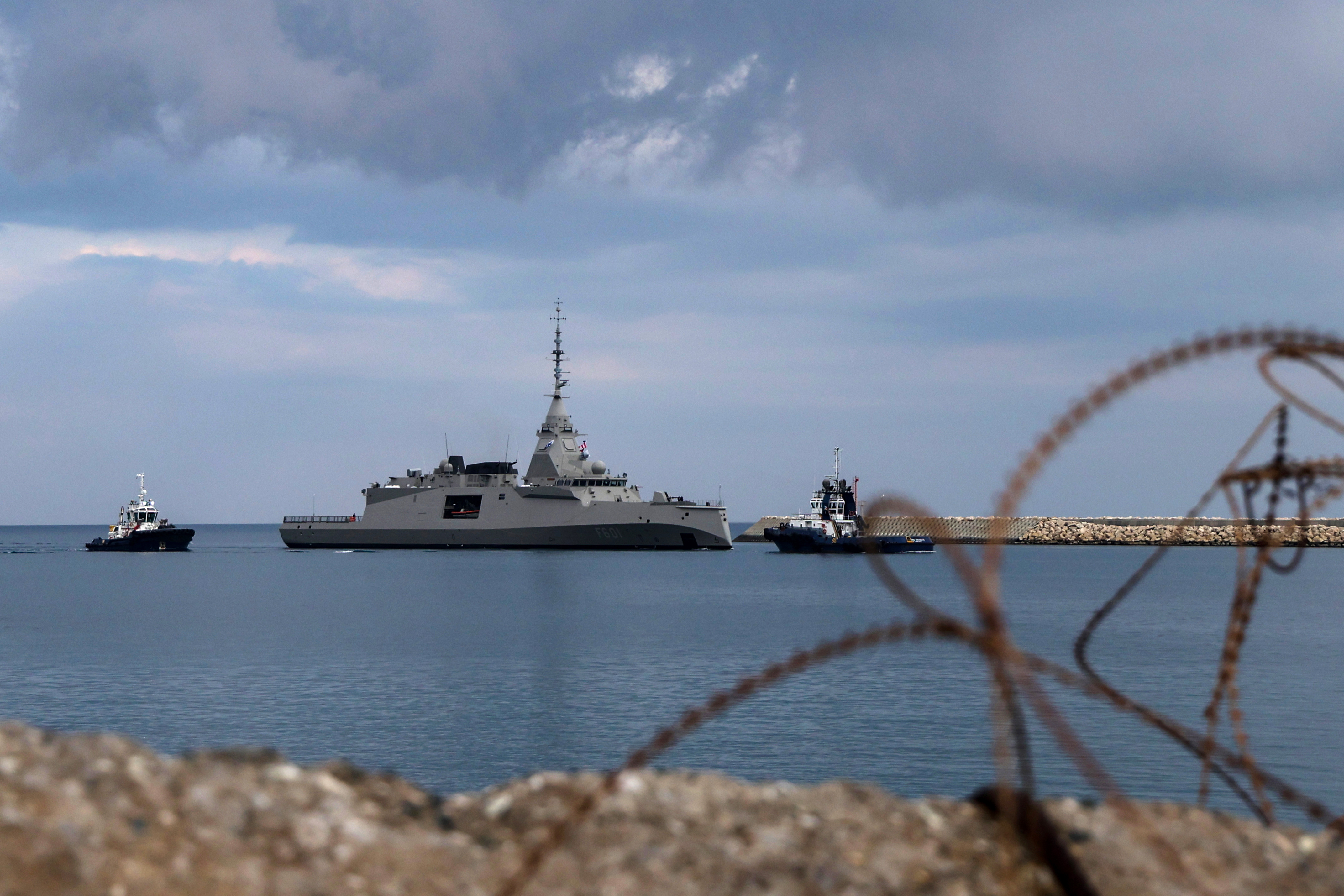
Operationally, the naval forces include multi-role frigates equipped with advanced missile systems, capable of intercepting aerial threats. The deployment will be executed under high readiness conditions with a focus on intelligence gathering and reinforcing maritime security protocols in the area. Each participating nation is expected to contribute assets, significantly increasing surveillance and response capabilities in the Eastern Mediterranean.
The likely consequences of this naval deployment could include increased Iranian hostility towards Cyprus and the naval forces stationed nearby. In addition, any military engagement could escalate into broader conflict, dragging regional powers into confrontation. The situation may also catalyze further military coordination among Iranian allies, complicating any diplomatic resolution.
Historical precedents suggest similar naval deployments have led to heightened tensions in the Mediterranean, reminiscent of incidents during the Syrian Civil War. The stakes have only increased as Iran continues to assert its naval capabilities, hinting at possible cross-border confrontations. Previous crises have shown that low-level skirmishes can rapidly escalate due to miscalculations, emphasizing the precarious nature of military posturing in these waters.
Looking ahead, intelligence agencies will closely monitor Iranian military movements and any reactions from NATO members. Potential indicators include changes in Iranian missile deployments or naval exercises, as well as shifts in European military readiness. The evolving geopolitical landscape warrants careful tracking to anticipate further developments and possible escalations in this strategically vital region.