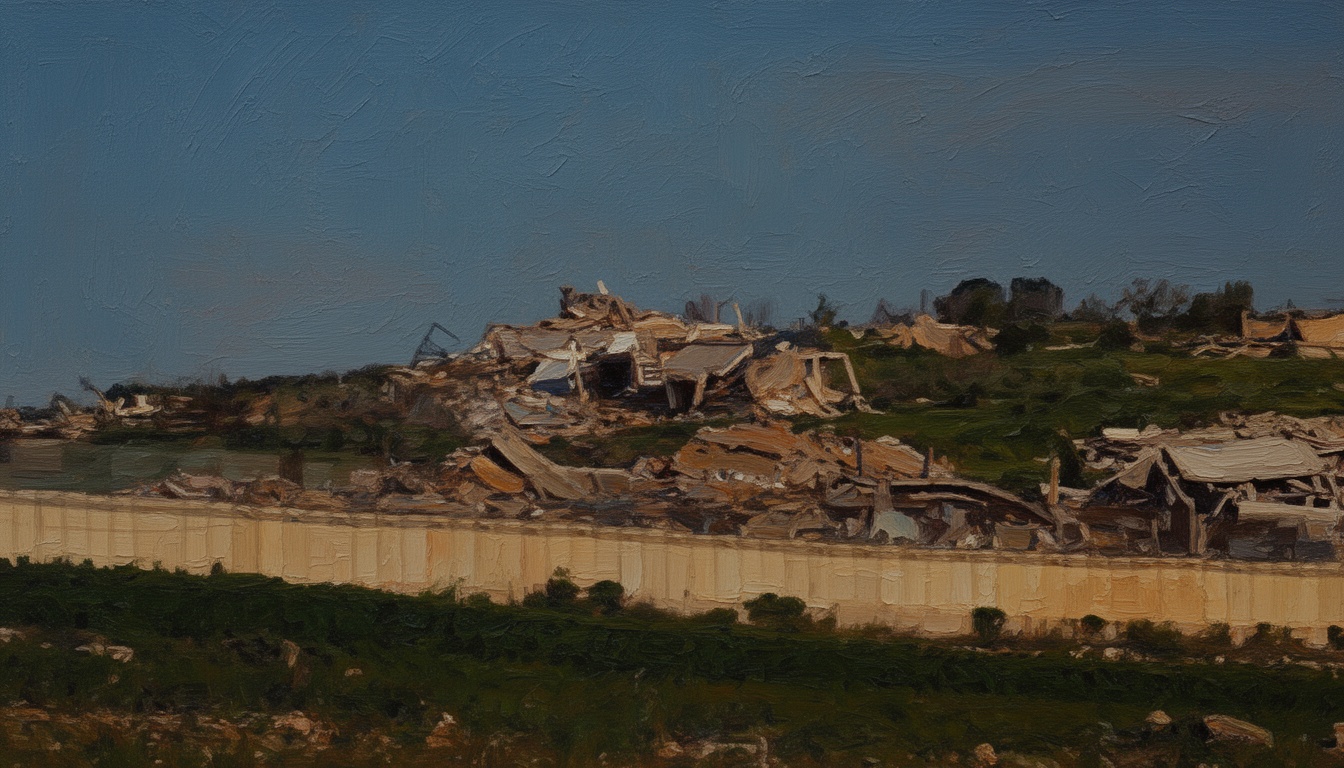
Israeli Strikes Kill Six in Lebanon as Ceasefire Extension Frays
Israeli air and missile strikes targeting southern Lebanon kill at least six and hit multiple sites after Prime Minister Netanyahu authorized a military response to alleged Hezbollah breaches. The attack comes as a recently extended ceasefire shows signs of strain amid renewed threats and retaliatory rhetoric. The incident risks widening the regional confrontation and testing allied responses.
The core development is blunt and immediate: deadly Israeli strikes struck southern Lebanon, killing at least six people and targeting four distinct locations, despite a recently extended ceasefire. The operation followed a direct order from Israeli Prime Minister Benjamin Netanyahu to the IDF to confront Hezbollah after what Israel described as ceasefire breaches. The timing underscores an abrupt relapse into kinetic action that many had hoped would be contained within negotiated limits. Casualty reports from Lebanese state media place the toll firmly in the civilian and paramilitary-adjacent environs of border towns, signaling a rapid deterioration in quiet along a fragile line of deterrence. In parallel, Israeli military spokespeople have framed the strikes as punitive and defensive, designed to deter further incursions or attacks from Hezbollah-aligned forces. The immediate objective appears to be degrading Hezbollah’s surveillance and strike capabilities in the Naqoura and southern Beqaa corridors, while signaling to Beirut and its backers the price of aggression. The broader strategic calculus, however, remains unsettled as regional actors observe whether this escalation will be episodic or set the stage for a renewed cycle of retaliation. The risk of miscalculation remains high, given the density of proxies and the potential for spillover into northern Israel and the Mediterranean theater.