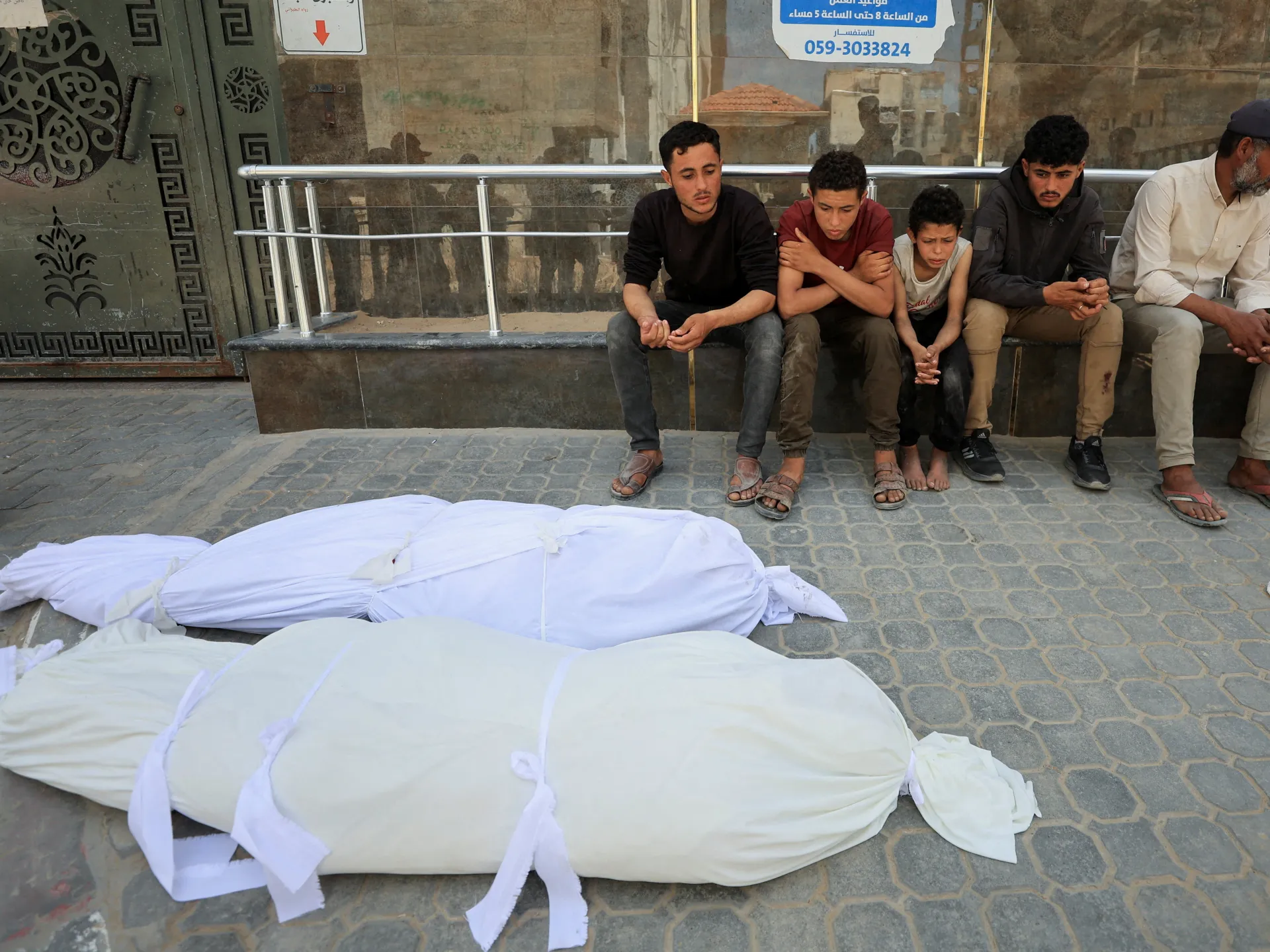
Israeli strikes kill several in Gaza over two days despite ceasefire
Over two days of fighting in Gaza, multiple Israeli strikes have killed several Palestinians. The violence persists despite a ceasefire proposal, drawing international scrutiny. In the West Bank, activists report settlers targeting vehicles and homes, widening regional instability.
Two days of Israeli strikes in Gaza have produced casualties, with several Palestinians killed. The strikes occurred despite renewed ceasefire efforts and a fragile pause intended to limit violence in refugee camps and border crossings. Officials warn that the death toll could rise as ground operations continue in densely populated districts. The international community calls for restraint, while Hamas and other groups reiterate demands for a full halt to hostilities. The pace of airstrikes and artillery fire suggests a recalibration of military aims, focusing on high-value targets and urban infrastructure.
Context behind the current Gaza violence centers on a cycle of retaliation that has persisted since early 2024. Previous escalations showed how aerial campaigns quickly translate into urban combat, complicating humanitarian access and civilian protection. Regional actors have signaled support for different sides, adding pressure on negotiators seeking a ceasefire. The West Bank situation has deteriorated as activists report settlers attacking Palestinian communities. Security forces are stretched, trying to deter attacks and maintain order in a volatile environment.
Strategically, the Gaza toll underscores the precarious balance in the regional security equation. Israel seeks to degrade militant capabilities while avoiding a full-scale ground invasion, a choice that affects regional deterrence calculations. For Palestinian factions, sustained pressure could prompt new rocket fire or intensified urban warfare. Ceasefire dynamics remain fragile, with mutual distrust shaping every diplomatic signal. The broader balance of power in the Levant is slowly shifting as external sponsors weigh costs and benefits of escalation.
Operational details indicate a mix of precision airstrikes and bombardment across multiple districts, including targets linked to weapon storage, command nodes, and logistics hubs. Civilian infrastructure bears the brunt, complicating rescue operations and humanitarian relief. The financial cost of the campaigns is rising, with damage to housing and essential services likely to drive displacement and aid requests. Intelligence assessments caution that a breakdown of the pause could trigger further rounds of fighting and retaliation. Analysts expect regional actors to reassess leverage and possibly deepen involvement through indirect support or cyber activities.
The likely consequences point to a protracted period of heightened danger for civilians and a fragile regional stability. Humanitarian access will remain restricted, threatening food, water, and medical supply lines. International mediators may push for a recalibrated ceasefire, but trust between parties is thin. If the current path persists, the risk of a broader confrontation involving external powers grows, raising alarms across markets and capitals about displacement, increased refugee flows, and long-term damage to regional resilience.