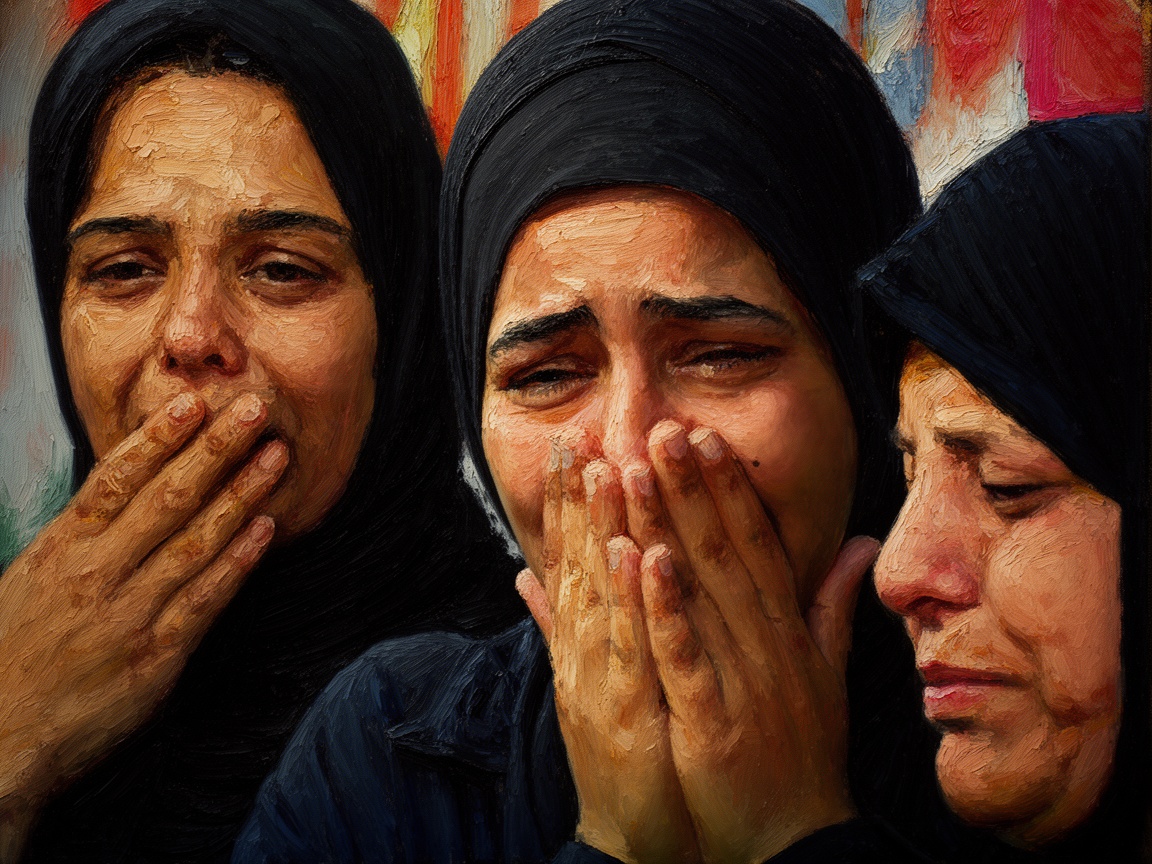
Israeli strikes kill at least 12 in Gaza during alleged ceasefire
A fresh Israeli operation in Gaza results in a minimum of 12 Palestinian deaths, despite a purported ceasefire. Hamas characterizes the event as a failure by the international community to uphold the truce, signaling a fragile pause rather than durable peace. The incident sharpens regional tensions and tests emergent diplomatic efforts.
The core development is blunt and grave: Israeli forces have killed at least 12 Palestinians in Gaza while a ceasefire was described or implied by various actors. The report frames the event as part of a broader pattern of escalations that punctuate fragile truces, underscoring how temporary pauses can dissolve into renewed violence. Hamas publicly labels the episode as indicative of international failure to enforce or honor the agreed terms of the truce, turning attention to the credibility of third-party mediation and pressure. The casualty toll and the juxtaposition with a ceasefire mood immediately raise the specter of renewed confrontation and regional spillover.
Background context follows from the recurring cycle: short-lived pauses in hostilities, punctuated by targeted or broad strikes, punctuate Gaza’s decades-long conflict with Israel. International actors have repeatedly urged restraint, pressed for humanitarian corridors, and offered frameworks for de-escalation that rarely translate into lasting silence on the ground. Palestinian factions, including Hamas, maintain that any ceasefire is conditional on substantive concessions, while Israel emphasizes security guarantees and civilian protection. The current flare-up reinforces the pattern: pauses are tested by real-time violence, and political lip service often precedes or accompanies renewed arms activity.
Strategic significance centers on the signal this incident sends to regional and international observers. A deadly episode during a supposed ceasefire complicates efforts by mediators to establish durable arrangements and could harden positions on both sides. For Israel, the incident may be framed domestically as a demonstration of deterrence against rocket incursions and militant activity, while critics will cite civilian casualties as a counterweight to security claims. For Gaza, civilian losses intensify pressure on Hamas to justify its governance and on external actors to deliver credible political outcomes rather than symbolic statements.
Technical or operational details remain sparse in the available description, but the scenario implies a high-intensity strike or series of strikes within Gaza’s urban terrain. Casualty figures—at least 12 dead—suggest significant impact on densely populated areas where civilian infrastructure often bears the brunt of combat. The lack of concrete weapon designations or unit identifiers in the brief limits precise attribution, though the mention of a ceasefire alongside a lethal action points to a possible breach or testing of truce parameters by one or both sides. Observers will assay possible collateral effects on fuel, water, and health services that accompany sustained urban bombardment.
Likely consequences and forward assessment point to a high-risk window ahead. If the ceasefire is deemed untrustworthy or easily collapsible, further rounds of violence could erupt with little warning, jeopardizing humanitarian corridors and civilian protection promises. International diplomacy now faces heightened urgency: mediators must recalibrate leverage, verify compliance, and translate verbal commitments into verifiable restraints on both sides. The broader balance of power in Gaza, and the credibility of outside guarantors, hang in the balance as the next 24 to 72 hours unfold, with the risk of wider regional entanglement rising if escalation continues.