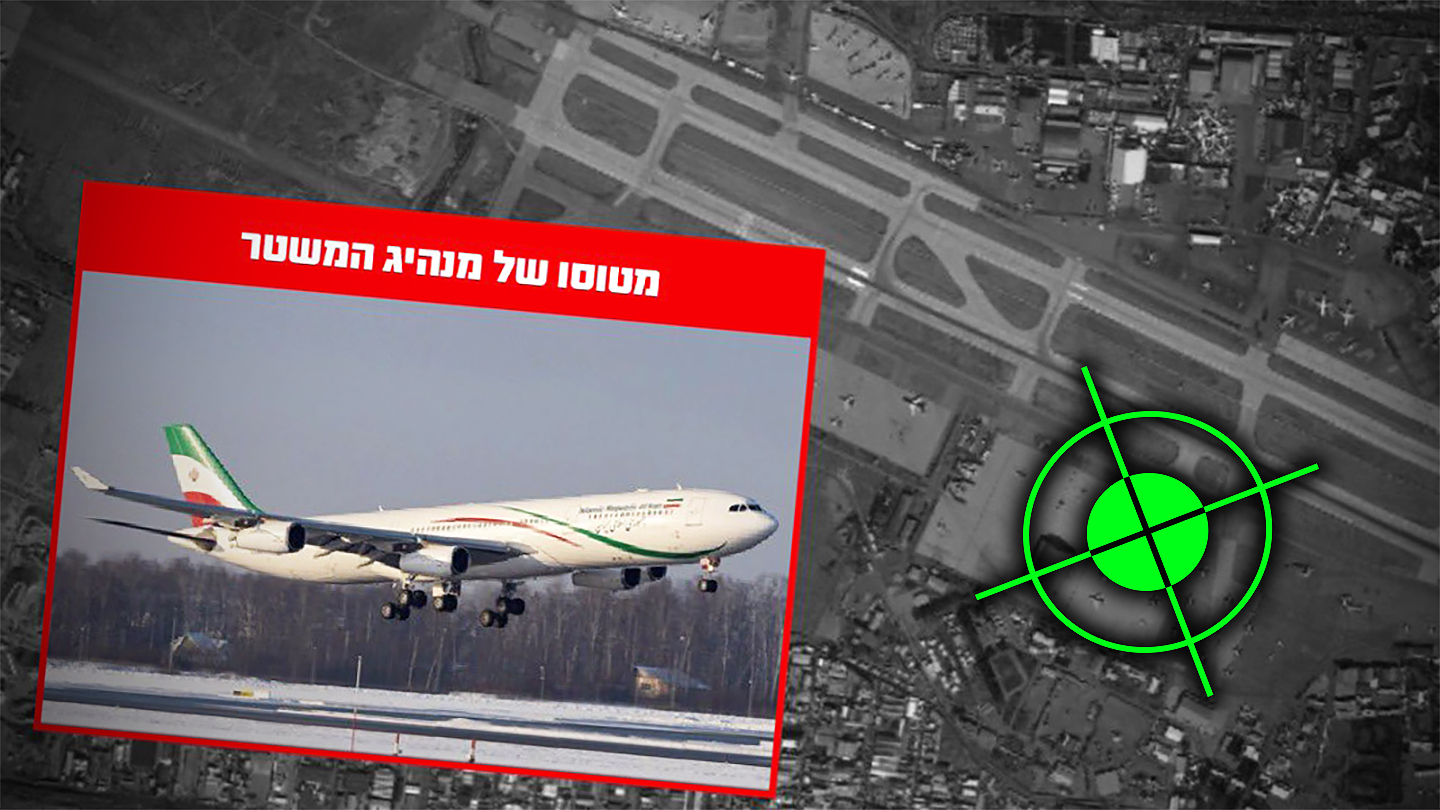
Israeli Forces Destroy Key Iranian Aircraft
In a significant escalation, Israel has claimed responsibility for destroying a key Iranian state-operated Airbus A340. This incident marks a severe deterioration in Israeli-Iranian relations and highlights growing regional tensions.
In a move likely to escalate regional tensions further, Israeli forces have destroyed an Iranian state-operated Airbus A340, a key asset known colloquially as ‘Iran Force One’. This aircraft had been part of a fleet that Iranian officials frequently used for diplomatic and official travel. The destruction represents a critical blow to Iran's state logistics capabilities.
The targeted Airbus A340 was part of an exodus of Iranian government-operated aircraft that had been relocated to Oman amid Israeli airstrikes last year. At the time, Iran was seeking to protect its aircraft from potential threats posed by Israeli military operations. The decision to move the aircraft came after multiple Israeli airstrikes on Iranian positions in the region.
This development is significant as it signals a willingness by Israel to directly confront Iranian state assets, rather than focusing solely on military installations or personnel. It raises the stakes in the ongoing regional power struggle and underscores the volatility of current Israeli-Iranian relations.
Key actors include the Israeli military, which continues to enforce its policy of preemptive strikes against Iranian targets deemed threats. Iran, meanwhile, seeks to assert its influence regionally and sees Israeli actions as aggressive incursions.
The Airbus A340, long-range with a high passenger capacity, is a strategic asset for Iran, allowing for the transport of senior officials and essential goods. Its destruction complicates Iran's international logistics and diplomatic communications.
This action is likely to provoke strong Iranian retaliation, potentially leading to an escalation in regional conflict. It also sets a precedent for further direct confrontations between state-operated assets in the region.
Historically, similar actions have led to heightened periods of hostility, comparable to the 2019 tensions following attacks on Gulf oil infrastructure. Such incidents have previously initiated cycles of retribution and counter-attacks.
Observers should watch for increased military readiness from both Israel and Iran, as well as potential retaliatory moves by Iran. Diplomatic efforts to deescalate may also intensify as regional actors seek to avoid broader conflict.