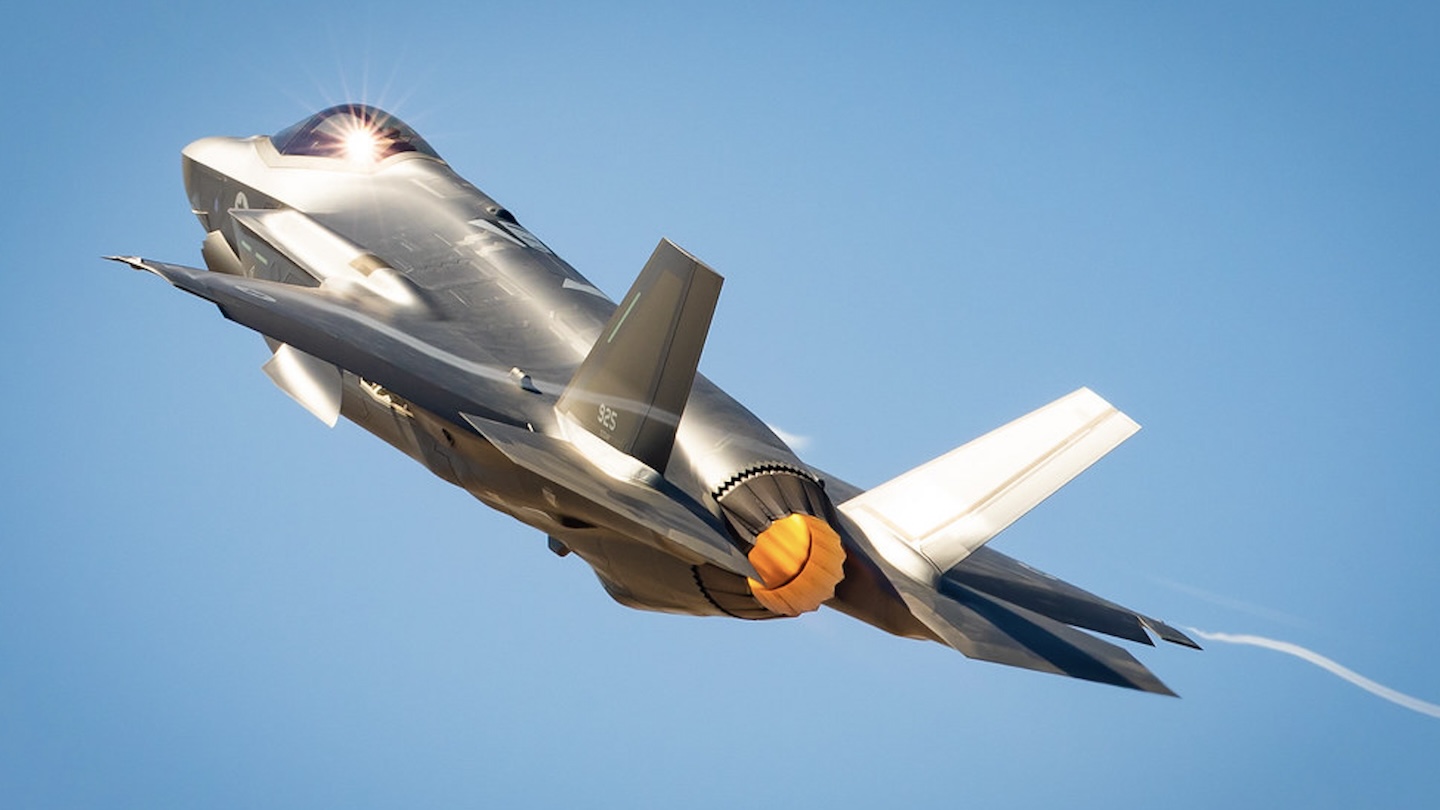
Israeli F-35s Achieve First Air-To-Air Kill Against Iranian Aircraft
The Israeli Air Force's claimed F-35 kill of an Iranian Yak-130 signifies a major escalation in the aerial confrontation between Israel and Iran. This event could reshape air superiority calculations in the region and elevate tensions further.
The Israeli Air Force (IAF) has claimed a historic air-to-air kill of a crewed aircraft, shooting down an Iranian Yak-130 combat trainer above Tehran using its advanced F-35 stealth fighters. This marks the first instance of the F-35 being utilized offensively against another manned aircraft and indicates a significant tactical development in the ongoing regional conflicts. While details of the engagement remain sparse, the ramifications of this incident are likely to reverberate throughout the Middle East and beyond.
The backdrop of this incident traces back to years of escalating tensions between Israel and Iran, characterized by Iran's growing military capabilities and aggressive posturing in the region. Iran has been increasingly vocal about its military ambitions and has continued to develop and deploy advanced weaponry, including the Yak-130, which is often presented as a low-cost option for training and light combat operations. Over the past decade, Israel has engaged in numerous air missions against Iranian positions in Syria, but this direct confrontation represents a new threshold.
The importance of this air-to-air kill lies not only in its psychological impact but also in the potential shift in strategic balance in the Middle East. Israel’s ability to effectively engage and destroy an Iranian aircraft while employing cutting-edge technology underscores its commitment to maintaining air superiority and defending against perceived Iranian threats. This incident exposes vulnerabilities in Iran's aerial defense capabilities, which may prompt a re-evaluation of their operational tactics and technology investments.
Key players include the Israeli government, seeking to send a clear message regarding its resolve against Iranian encroachments, and the Iranian military, tasked with protecting its airspace amid increasing aggressiveness from Israel. The use of the F-35 in this context signals an escalation not just in tactical engagements but also in broader geopolitical maneuvers. Iran's military will likely view this incident as a provocation, potentially leading to retaliatory actions or enhanced defense measures.
Technically, the F-35's advanced capabilities, including its stealth profile, situational awareness, and precision targeting, played a crucial role in achieving this kill. The exact number of F-35s in the IAF's inventory is estimated at about 50, part of a larger investment of over $3 billion in advanced military technology. The Yak-130, while primarily a trainer aircraft, is equipped for light combat and may have posed a tactical threat during its operations.
The consequences of this engagement could escalate tensions further as Iran may feel compelled to respond symbolically or militarily to fortify its honor and deter future attacks. The potential for a retaliatory strike against Israeli interests, either directly or through proxy forces in Syria, Lebanon, or elsewhere, remains high. Furthermore, this incident could provoke other regional actors to reassess their military postures and alliances.
Historically, air-to-air kills have served as watershed moments in military confrontations. For instance, the downing of Syrian aircraft by Israeli jets during the 1970s led to a reevaluation of air combat protocols and countermeasures among Middle Eastern adversaries. This incident could similarly trigger a shift in tactics not only for Iran but also for its allies in the region responding to perceived Israeli aggression.
In the coming weeks, key indicators to watch will include Iranian military movements, public rhetoric from Tehran, and potential responses from Hezbollah and other Iranian-proxy forces. Intelligence watchers will need to remain vigilant for any signs of counter-escalation, such as cross-border engagements or increases in advanced weapon system deployments within the region.