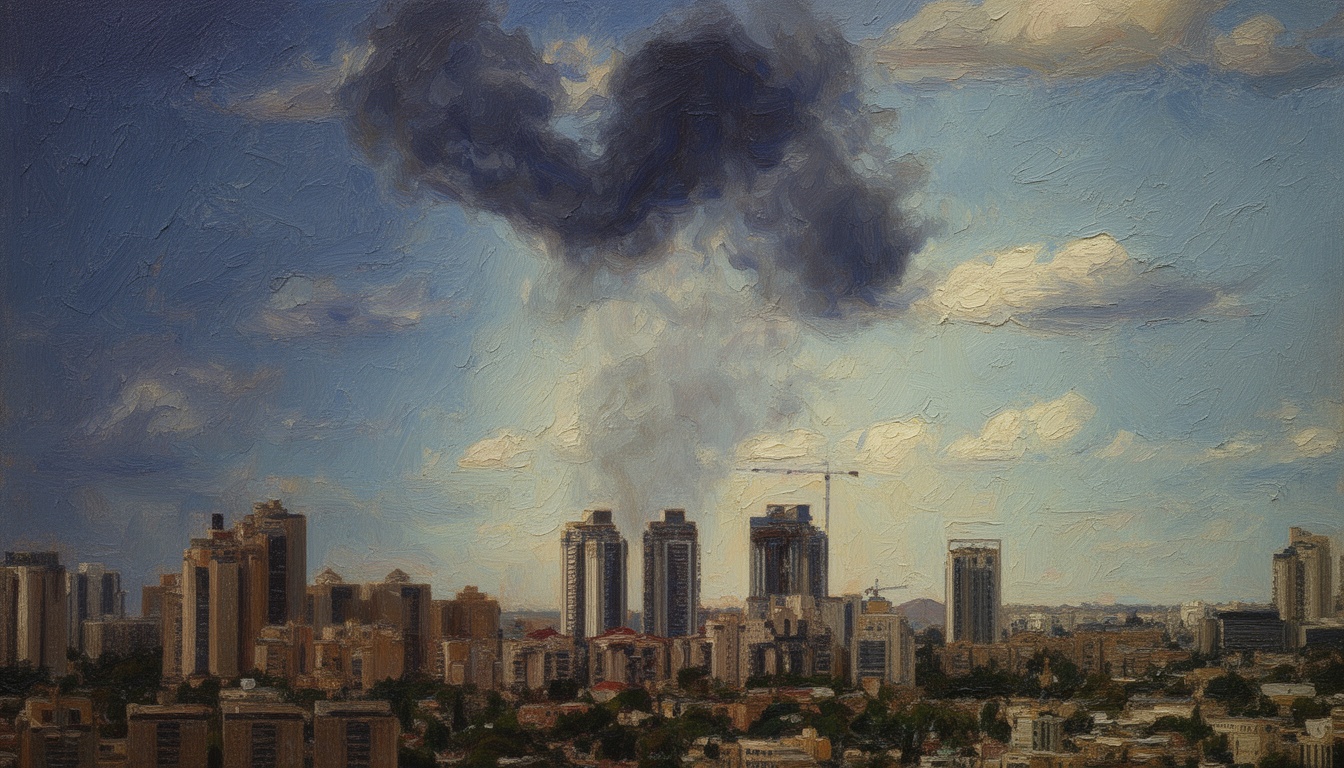
Israeli Defenses Intercept Three Iranian Missile Waves, Injuring Civilians
Israeli air defenses successfully shot down three Iranian missile waves early Thursday, causing light injuries near Tel Aviv. This marked a sharp escalation following a US presidential speech and raises fears of widening conflict in the Middle East. Regional tensions soar as missile attacks test Israeli deterrence and resilience.
Israeli air defense systems intercepted three separate waves of Iranian missile attacks targeting areas near Tel Aviv early Thursday morning. Multiple missiles were shot down before reaching populated zones, but several civilians suffered light injuries due to falling debris and shockwaves. Emergency sirens blared across the region, heightening anxiety about a new phase in the conflict.
The missile attacks occurred only hours after a US presidential address addressing Middle East security, underscoring Tehran's willingness to escalate tensions despite diplomatic signals. Iran’s actions come amid ongoing regional confrontations involving Israel, proxy militias, and US interests.
Strategically, the sustained barrage demonstrates Iran’s capability to launch coordinated missile strikes against Israeli territory and challenges Israel’s famed Iron Dome defense. This confrontation illustrates the fragile balance of power in the Middle East and risks drawing neighboring states deeper into conflict.
The missiles intercepted included medium-range ballistic types reportedly launched from Iran or affiliated territories in Syria. Israel deployed multiple Iron Dome batteries and Patriot missile systems, executing rapid engagement protocols to neutralize incoming threats. The defense operations stressed Israel’s layered missile shield but revealed vulnerabilities to massed attacks.
Consequences could involve intensified Israeli retaliatory strikes against Iranian and proxy infrastructure, escalating hostilities across Syria and Lebanon. Regional conflict dynamics may deteriorate rapidly, undermining fragile ceasefires and diplomatic efforts. International actors now face urgent challenges to de-escalate and prevent a broader war.